iFeeling Daily
Daily curated AI insights you can't miss.
Nvidia invests $1.5B in SB Energy for OpenAI data center infrastructure
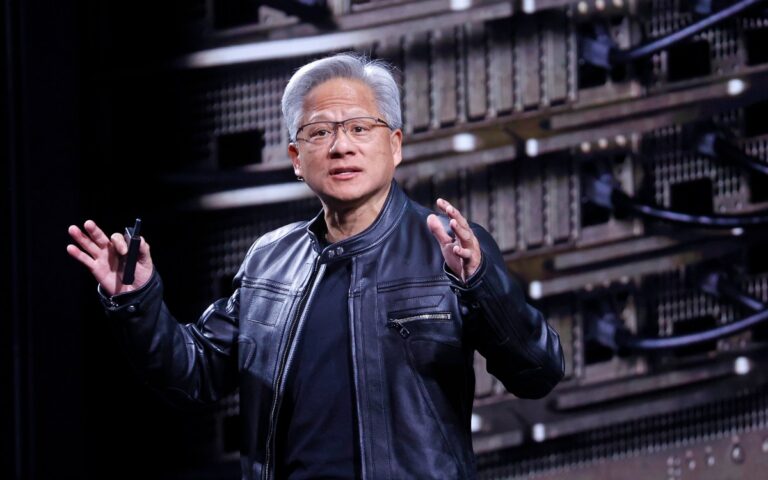
Nvidia will invest $1.5 billion in SB Energy, securing exclusive compute infrastructure supplier status for OpenAI's Ports-Pike data center near Cincinnati, Ohio.
Most Tokens Go to Non-SOTA Models: 77% Performance at 2.5% Price
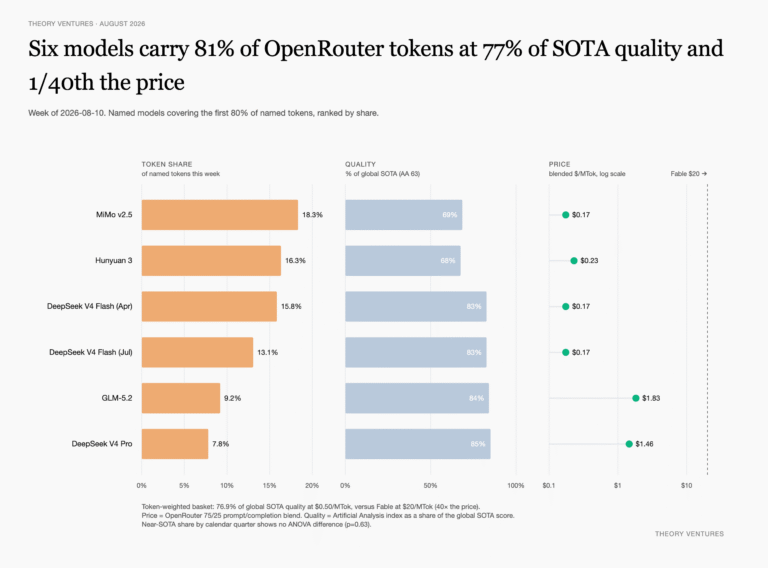
84% of tokens on OpenRouter are not state of the art; six models deliver 77% of frontier performance at 2.5% of Claude Fable 5's price.
Open Model Ecosystem in 2026: Frontier Shift, Qwen Dominance, and Agent Traffic

The open model ecosystem on Hugging Face saw massive growth in Qwen derivatives, agent traffic surpassing human browsing, and a strategic shift by Chinese labs toward trillion-parameter models under permissive licenses.
Hyperscalers may regret natural gas bets as prices could triple, Noreva warns

Noreva research warns hyperscalers' natural gas bets for AI data centers could backfire, with prices potentially tripling in some U.S. regions.
Kog is going deeper to squeeze more inference out of GPUs | TechCrunch
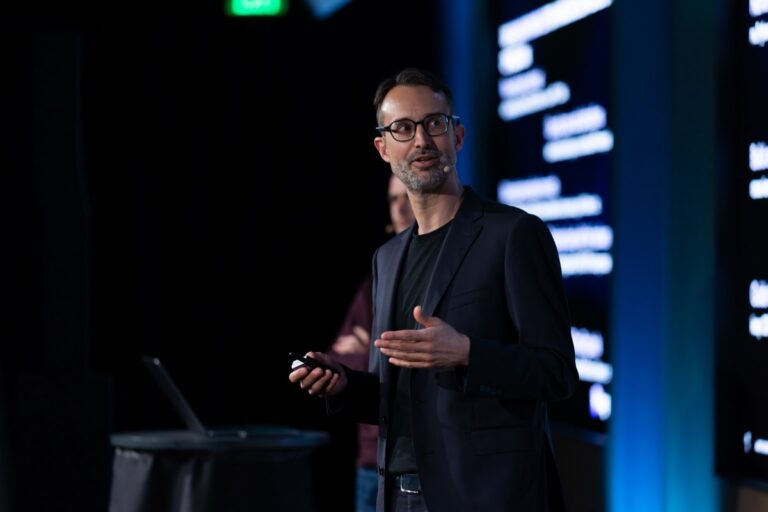
French startup Kog promises 30x faster LLM inference on standard datacenter GPUs through low-level software optimization and reverse engineering.
Writer launches Palmyra X6 model and harness upgrades to cut token costs
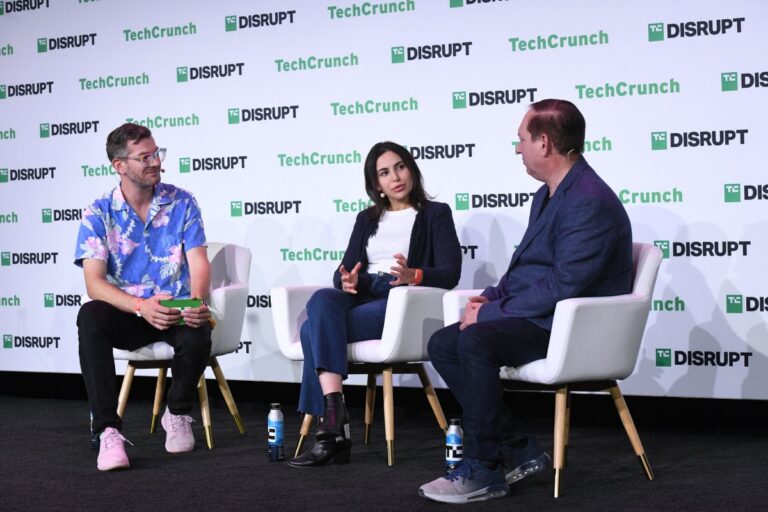
Writer launches Palmyra X6, a post-training variant of Z.ai's GLM-5.2, with harness upgrades to cut customer costs by up to 50% for basic tasks.
Databricks closed $5B round at $190B valuation after $15B investor demand

Databricks wanted $1B but closed a $5B round at a $190B valuation after investor demand hit $15B. CEO Ali Ghodsi told TechCrunch.
GPT‑5.6 Sol Ultrafast preview: up to 14x speed with Cerebras

OpenAI previews Ultrafast for GPT‑5.6 Sol, delivering up to 750 tokens/second via Cerebras for real-time use cases.
Made by Google 2026: Pixel 11, Pixel Watch 5, Pixel Tag, Gemini Updates
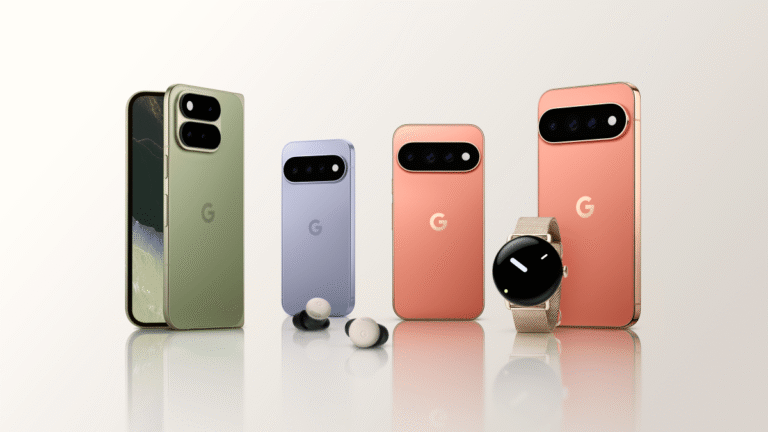
Google unveiled Pixel 11, Pixel Watch 5, Pixel Tag, and new Gemini features at Made by Google 2026, including ASL translation and Rambler voice input.