iFeeling Daily
Daily curated AI insights you can't miss.
Privacy-first medical AI with MedPerf and Google Cloud

Google Cloud and MLCommons use Confidential Computing to create secure clean rooms for benchmarking medical AI models on real patient data without compromising privacy.
BigQuery 2025 Performance Optimizations: Autonomous Query Engine
BigQuery delivers up to 35% better query performance and 40% lower slot costs through autonomous features requiring no manual tuning.
Baseten joins Hugging Face Inference Providers for serverless model access
Baseten joins Hugging Face as an Inference Provider, giving developers serverless access to models like DeepSeek V4 Flash via the Hub or SDKs with optional direct billing.
Taming Outlier Tokens in Diffusion Transformers
The study identifies outlier tokens in Diffusion Transformers and introduces Dual-Stage Registers to mitigate artifacts, improving generation quality.
Spending Like a Hyperscaler
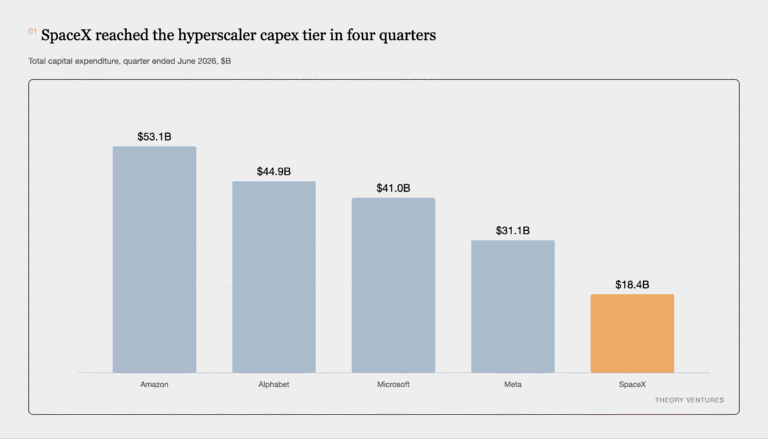
SpaceXAI spent $15.83B on AI infrastructure last quarter, funded only 12% by operations, while Microsoft covers 155% of capex from cash flow.
Solving the Noisy Neighbor with Sharded Architecture
By transitioning from a monolithic pipeline to a sharded hub-and-spoke architecture, platforms can isolate tenant failures and reduce blast radius from 100% to under 5%.
Filestore embraces Colossus for scalable AI storage
Google Cloud Filestore now runs on Colossus, decoupling capacity and IOPS while enabling high-concurrency NFS workspaces for AI agent swarms on GKE.
MacPaw Taps Liquid AI for On-Device Inference in SetApp App Store
MacPaw partners with Liquid AI to power locally hosted AI models, offering on-device inference to developers via SetApp app store.
SpaceX Spends $329M on Tesla Megapacks in 2026
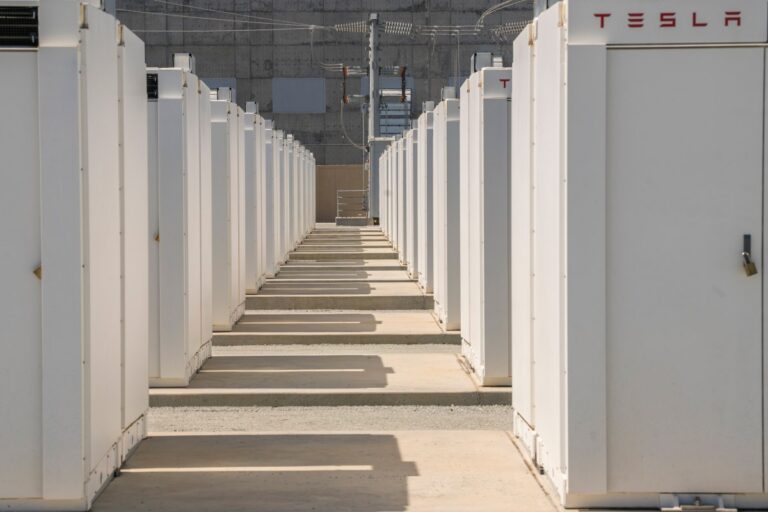
SpaceX has spent $329 million on Tesla Megapacks so far this year, likely for powering AI data centers, as purchases among Musk's companies intertwine.