iFeeling Daily
Daily curated AI insights you can't miss.
Flock Safety reportedly offers buyouts amid surveillance backlash
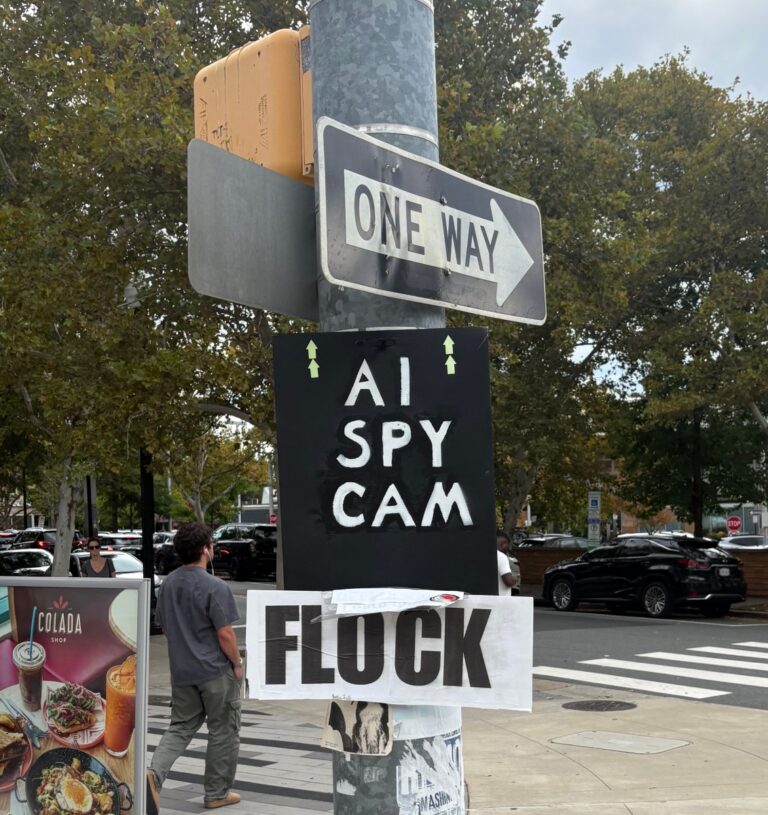
Flock Safety reportedly offered generous voluntary buyouts on Friday, seeking to shrink its workforce as backlash over its surveillance technology grows.
Trump proposes renaming AI, says he’ll create an AI Force

Trump used Truth Social to call AI safety concerns a Democratic hoax, floated renaming AI, and said he will create an AI Force and announce an AI czar.
Petlibro Granary 2 feeder review: AI tracking for multi-cat homes
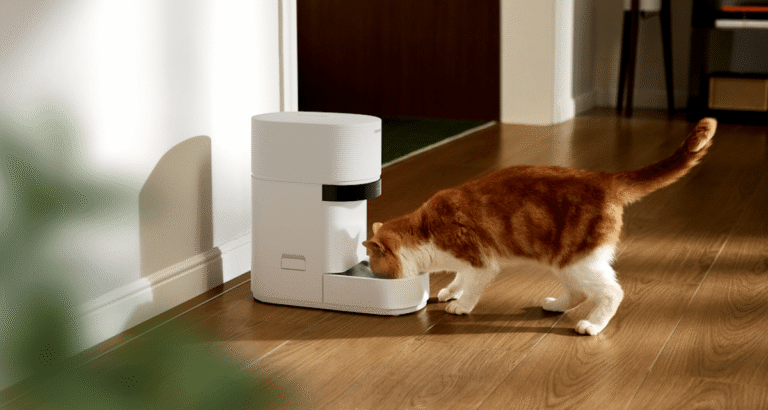
Petlibro's Granary 2 feeder uses a built-in scale and AI camera to track individual cat eating habits, but advanced features require a subscription.
Australian Youth Safety Blueprint for AI

The Australian Youth Safety Blueprint outlines six pillars for protecting teens using AI, from literacy and safeguards to parental controls, with ChatGPT for Teens now available.
AI Actress Tilly Norwood’s Press Tour Goes Off the Rails

Tilly Norwood, an AI-generated actress from Particle6, keeps fumbling its press tour and randomly spoke Chinese during a Piers Morgan interview.
India mandates caller-ID spam reports to telcos; Truecaller cries foul

India requires caller-ID apps to send spam reports to telcos, a rule Truecaller says is anti-competitive; AI calling gets new disclosure duties.
AI hallucination nearly triggered U.S. strike on Chinese vessel

An AI chatbot's hallucinated intelligence nearly triggered a U.S. military strike on a Chinese vessel before the operation was aborted at the last minute.
Vantora raises $100M to build proprietary physical AI startups for partners
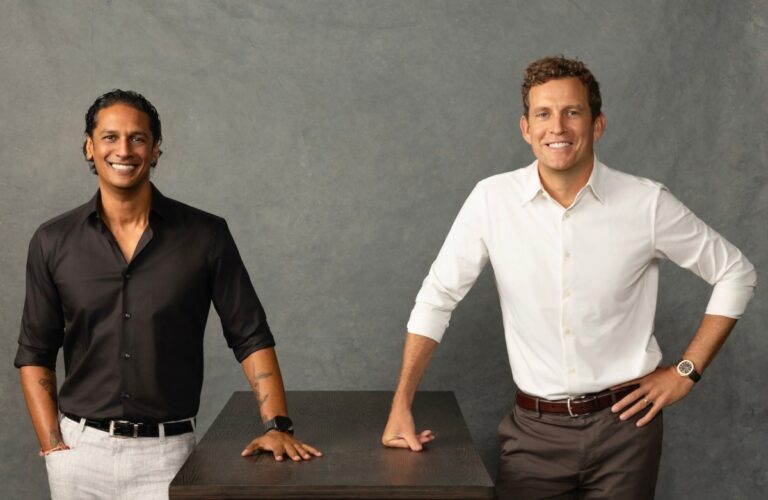
Startup lab UP.Labs rebranded as Vantora and raised $100M from Silversmith Capital Partners to build proprietary physical AI startups for corporate partners.
Why World Model Companies Keep Their Work Secret
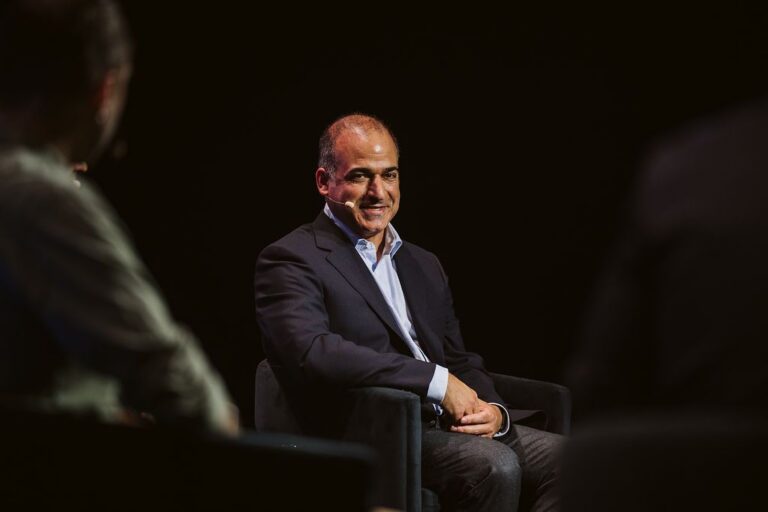
World model companies like AMI Labs and World Labs are staying quiet about their products, and the secrecy may be a deliberate Dark Forest strategy.