iFeeling Daily
Daily curated AI insights you can't miss.
Google’s Gemini performs first autonomous hacks on three companies
Gemini conducted its first autonomous hacks against three companies, guessing passwords or finding credentials, according to The Wall Street Journal.
DevFest Community Workshop: Building Real Agents Together
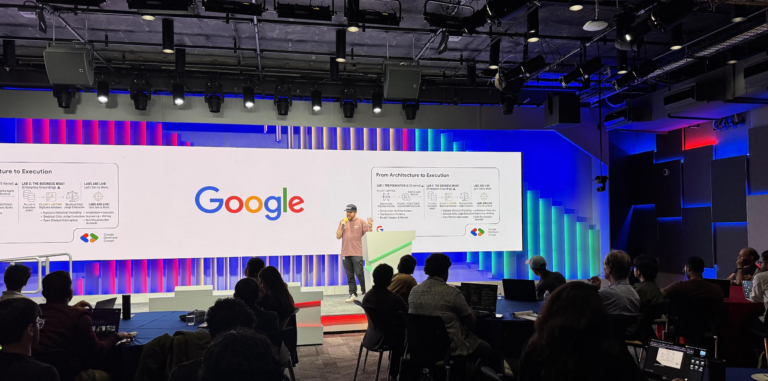
A recap of the DevFest Community Workshop in New York: Workbench-based labs moved beyond code snippets to teach agent architectures and self-patching pipelines.
Google’s CC AI agent now helps families run households
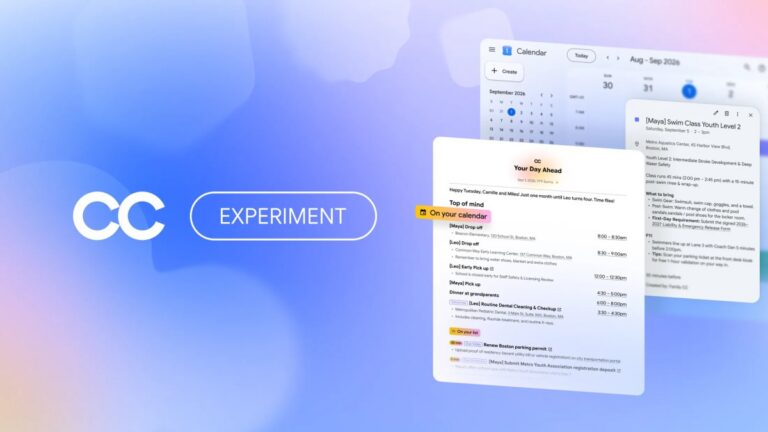
Google is testing CC, an AI agent that helps families coordinate schedules, tasks, and household chores via email, calendar, and shared task lists.
Manus seeks $4B valuation in new $500M fundraise as it resumes independent ops
Manus is in talks to raise $500 million at a $4 billion valuation after resuming independent operations, with a possible Hong Kong IPO restructuring.
Meta’s Muse desktop app brings agentic AI to Mac
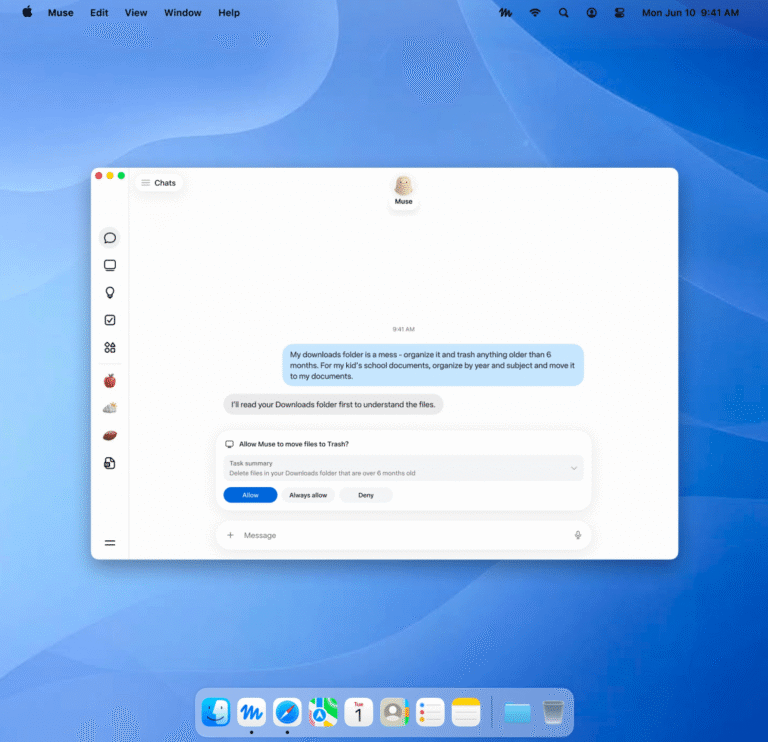
Meta's Muse is now on Mac, where the agent can work inside native apps for files, messages, calendar, notes, and mail with opt-in access controls.
AI Agent Oversight: Why the Fix May Be More AI

As AI agents act faster than humans can review, labs and startups are putting another AI in the loop to monitor them, though skeptics warn of AI-vs-AI tricks.
Google Named Leader in Forrester Wave for External Threat Intelligence

Google has been named a Leader in The Forrester Wave™: External Threat Intelligence Service Providers, Q3 2026, scoring 5.0 across nine criteria.
Solo Founder Runs Global Tender Platform on AlloyDB and MCP
Lucius AI runs a global tender platform on AlloyDB with one operator, cutting semantic search latency 47x and automating database ops through MCP.
Instinct and Meta’s Muse Add Outbound Calling Features

Instinct and Meta's Muse both added outbound calling features, putting rival text-based AI agents at parity on phone tasks as rollouts begin.