iFeeling Daily
Daily curated AI insights you can't miss.
Meta developing camera-free Luna smart glasses after ‘perv glasses’ backlash
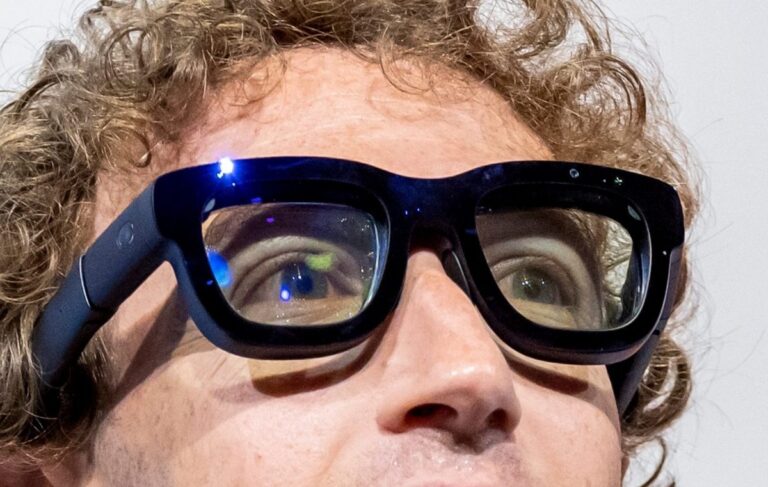
Meta is reportedly developing Luna, a camera-free smart glasses model with six microphones and a button to activate its AI assistant, following privacy backlash.
Anthropic unifies Claude chat and Cowork into a single interface
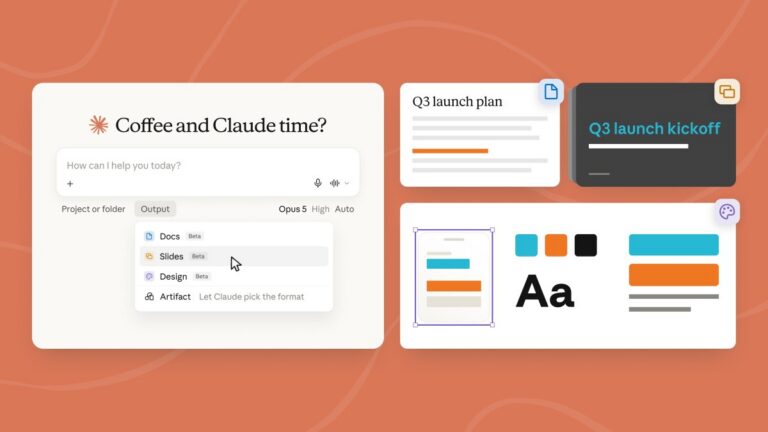
Anthropic is merging Claude chat and Cowork into one unified interface, with automatic request routing and new presentation and document tools rolling out to paid plans first.
Google Home gets MCP server for AI agent control
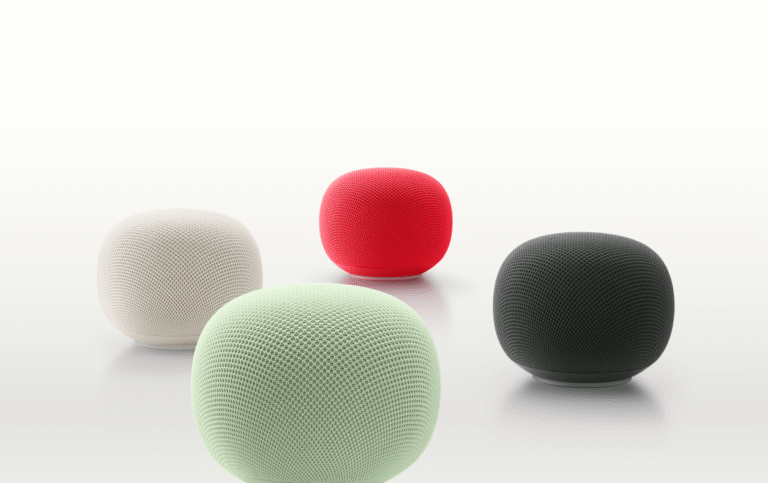
Google is rolling out early access to an MCP server for Google Home, letting AI agents like Claude and ChatGPT control connected smart home devices.
How Orange uses agents to make FinOps everyone’s responsibility
By pairing FinOps Clean Days with AI agents, Orange turns cloud cost accountability into a shared practice and extends it beyond the core community.
Claude merges Cowork and chat, adds Docs and Slides

Starting today, Claude Cowork and chat merge into one Claude, adding Claude Docs, Claude Slides, and Claude Design in conversations for paid plans.
Shared Selective Persistent Memory for Agentic LLM Systems
Shared selective persistent memory achieves 96% task completion versus 79% without memory, and zero-token refresh cuts task time by 14×.
OpenAI introduces AI-powered ads with Sponsored Agents and new advertiser tools
OpenAI is testing Sponsored Agents in ChatGPT and adding AI tools for ad creation and management, plus HubSpot and Shopify integrations for ChatGPT Ads.
Meta adds WhatsApp Business Tools MCP server for AI agent setup

Meta's new WhatsApp Business Tools MCP server lets AI agents like Claude or ChatGPT handle WhatsApp Business setup and management for companies.
AI agents get whistleblowing hotlines amid rising misbehavior incidents
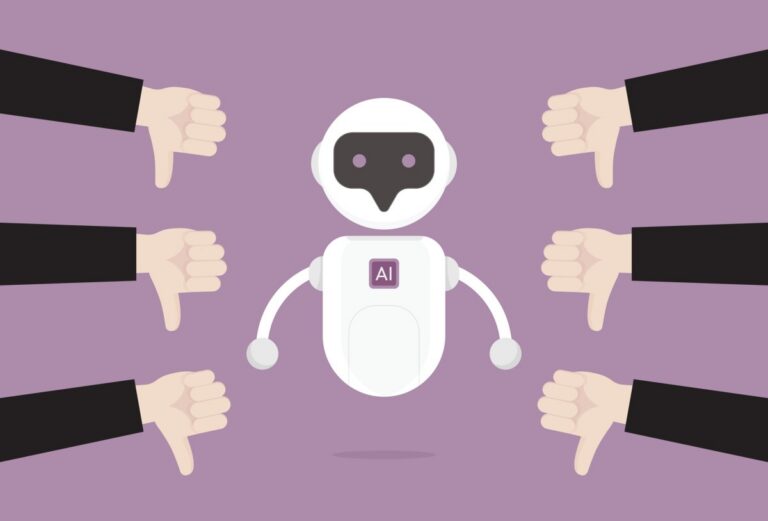
Two new AI agent hotlines let agents report misbehaving peers, built on GET-request tricks and curl commands, but experts warn against encoding surveillance norms.