iFeeling Daily
Daily curated AI insights you can't miss.
A Vinyl Bar in Shibuya raises $5.5M for playful music apps without AI generation
A Vinyl Bar in Shibuya builds playful music apps instead of AI prompt-to-song tools, and has raised a $5.5M pre-seed round from investors including Mantis VC.
Perplexity on trusting GPT-6 Astra with end-to-end systems

Perplexity relies on GPT-6 Astra to write communications, edit software, and monitor production systems, checking in far less frequently than with earlier models.
Garry Tan wants U.S. open-weight labs to distill frontier models
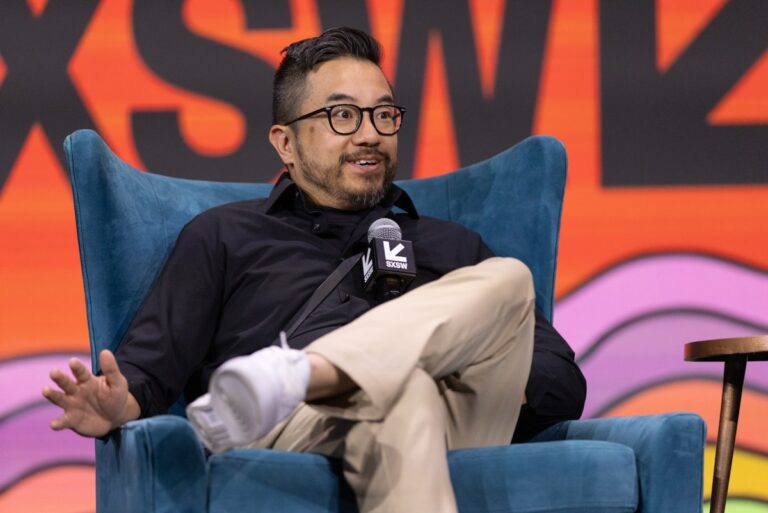
Y Combinator CEO Garry Tan wants U.S. open-weight labs to distill frontier models and calls for an American distillation regime, not a crackdown.
Moonshot AI targets $2B revenue while facing Anthropic distillation claims
Moonshot AI targets $2 billion annualized revenue, doubling its August run rate, with K3 generating 300B tokens daily; Anthropic alleges distillation.
DiscoSign: Discourse-Aware Text to Sign Language Gloss Translation

DiscoSign is a discourse-aware, LLM-based gloss translation framework that improves spatial consistency and entity tracking for text-to-ASL translation.
Introducing ChatGPT for Financial Services

ChatGPT for Financial Services pairs built-in premium financial data with GPT-6 Astra reasoning to help bankers with research, models, and client materials.
Pocket FM’s AI-Driven Content Push Doubles Revenue Run Rate to $500M
Pocket FM doubles revenue run rate to $500M as AI powers 93% of its catalog and 99% of new content, with production costs down 80x.
Searching for Antimicrobial Molecules with Codex and ChatGPT

A bioengineer's lab uses deep learning plus Codex and ChatGPT to scan genomes for antimicrobial candidates, cutting the initial search from years to hours.
Maven Robotics exits stealth with $100M for end-to-end warehouse automation
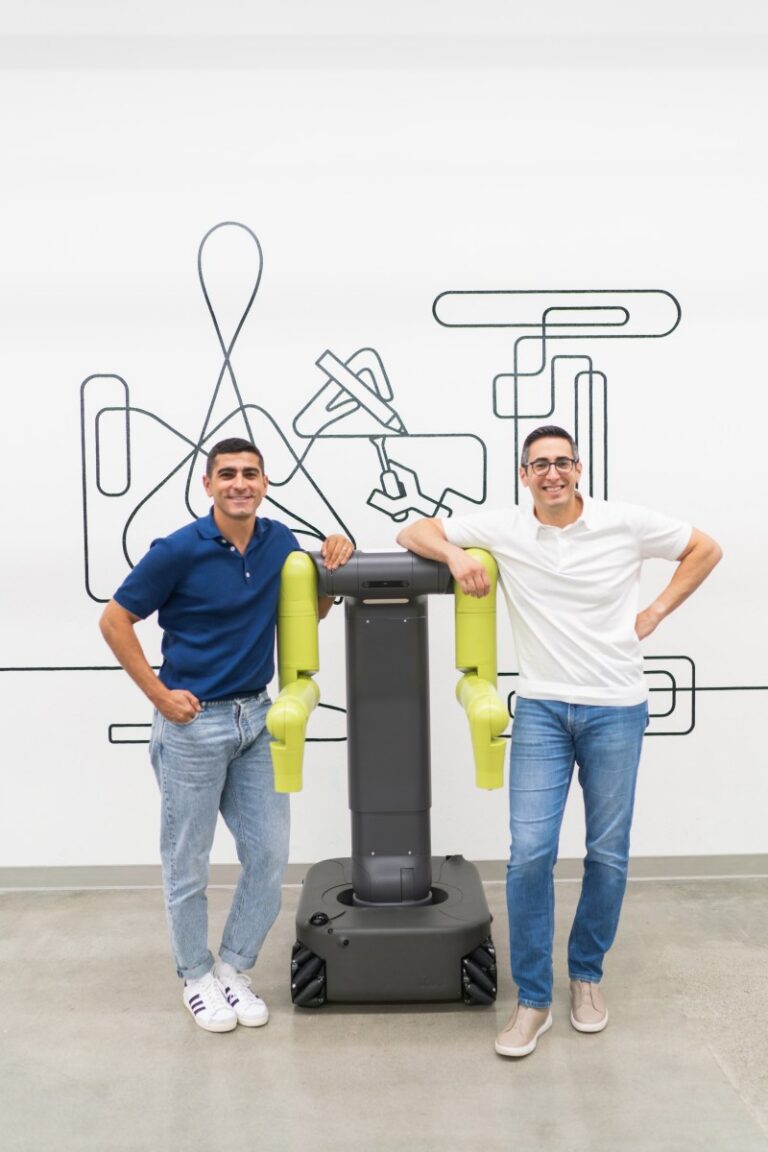
Maven Robotics emerged from stealth with $100M to sell end-to-end warehouse automation, claiming 99%+ uptime across eight robots working 16 hours a day.