iFeeling Daily
Daily curated AI insights you can't miss.
Listen Labs walks away from $1.5B Series C as Salesforce talks loom

Listen Labs walked away from a signed $125M Series C term sheet at a $1.5B valuation, likely because Salesforce is in talks to acquire it for around $2B.
OpenAI Debuts Astra for Work, Codex, and Enterprise
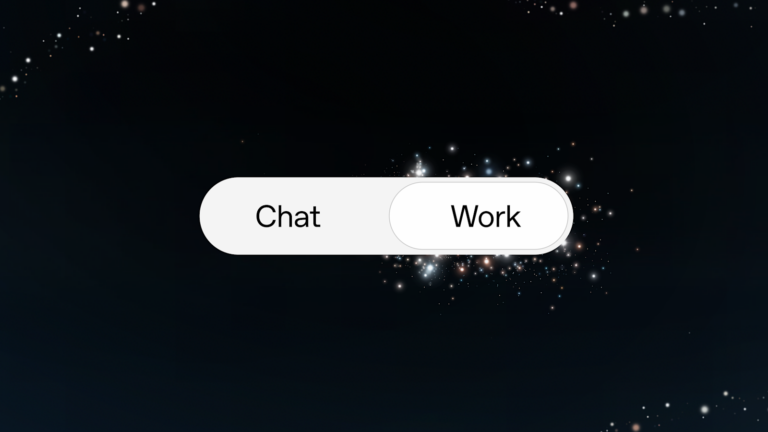
OpenAI released GPT-4 Astra, a new frontier model for work, available in ChatGPT Work, Codex, and the API, with new efficiency and safety controls.
Connor Leahy: Superintelligence is an adversary, not a weapon
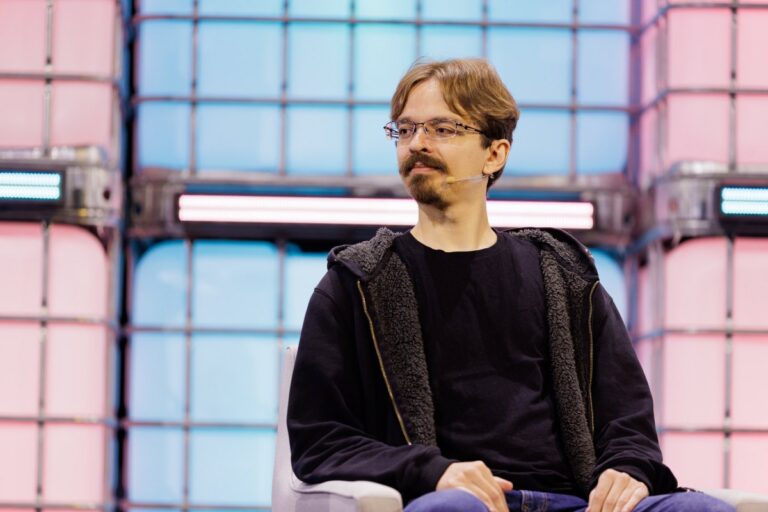
Connor Leahy argues superintelligence is an adversary, not a weapon, making alignment and containment insufficient—he advocates a ban on development.
Shipt launches AI shopping assistant ‘Ask Shipt’ for custom carts
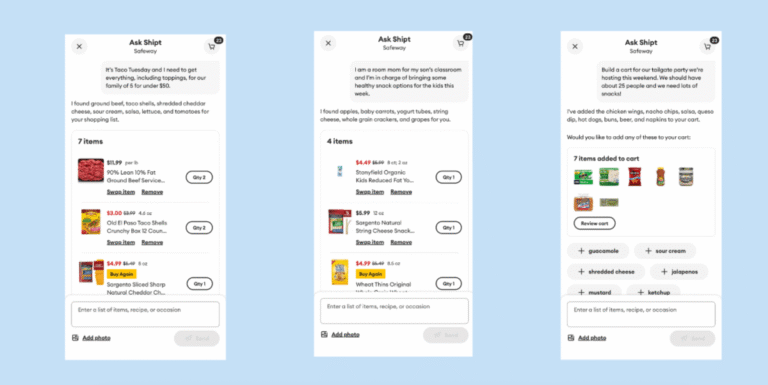
Shipt, the same-day delivery platform owned by Target, has launched "Ask Shipt," an AI assistant that turns prompts into customized shopping carts.
Suno v6 moves to licensed music training amid ongoing copyright lawsuits

Suno v6 is trained on licensed music from labels like Warner, BMG, and Believe. It comes as Suno still faces copyright suits from Sony, Universal, and artists.
Cognition’s $48B valuation shows AI coding is not winner-take-all
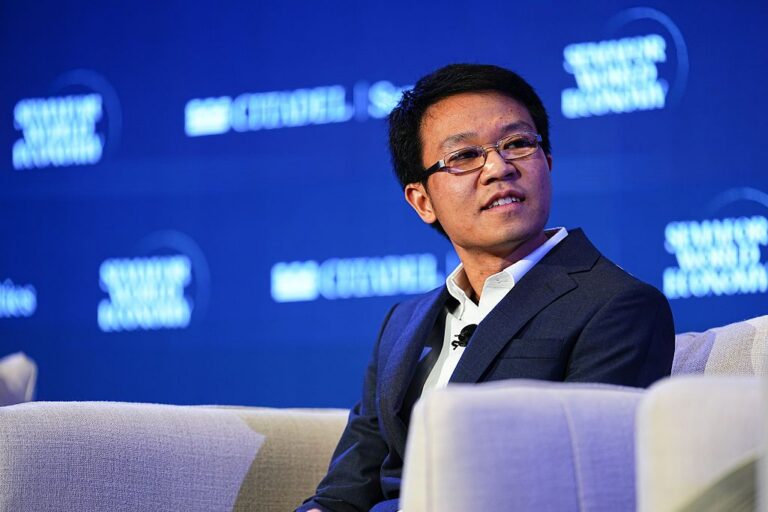
Cognition raised $2 billion at a $48 billion valuation, with revenue run-rate growing to $900 million, signaling investors see AI coding as a multi-player market.
Hackers Steal Claude Subscriber Tokens via Session Keys, Consultant Finds
A hacker used a stolen session key to drain an AI consultant's Claude Max account. Anthropic suspended it, refunded the fee, and blamed infostealer malware.
Atoms plans robotaxi push with Uber talks, hiring spree

Travis Kalanick's Atoms is reportedly preparing for a hiring spree and acquisitions to become a major player in the autonomous vehicle industry, including talks with Uber.
Streamlining Spanner migrations with Antigravity CLI headless mode
Google's Finance Engineering built an automated refactoring pipeline using Antigravity CLI in headless mode to migrate legacy databases to Spanner without production downtime.