iFeeling Daily
Daily curated AI insights you can't miss.
BenchMIRT: Auditing LLM benchmarks at the question level
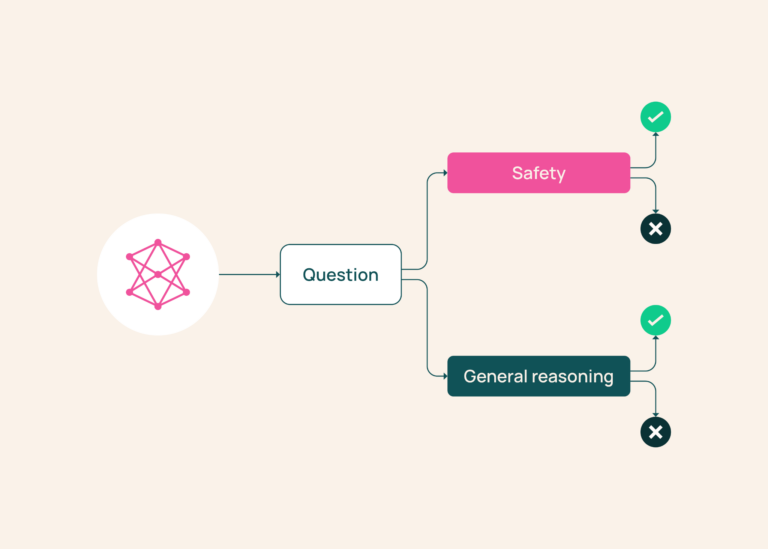
BenchMIRT uses multidimensional Item Response Theory to reveal what individual prompts in LLM benchmarks actually measure, separating safety and reasoning signals that conventional scores conflate.
OpenAI’s Astra Designated Critical in Cybersecurity, First Model at This Level

OpenAI designates Astra as the first model meeting Critical cybersecurity capability threshold under its Preparedness Framework, requiring stronger safeguards.
ChatGPT Health integrates with Epic EHR for clinicians

OpenAI integrated ChatGPT Health with Epic's EHR system for read-only clinician access, with 99.1% of responses safe in tests, but lawsuits highlight risks.
Apple Files ‘Shocking Evidence’ in Trade Secrets Lawsuit Against OpenAI
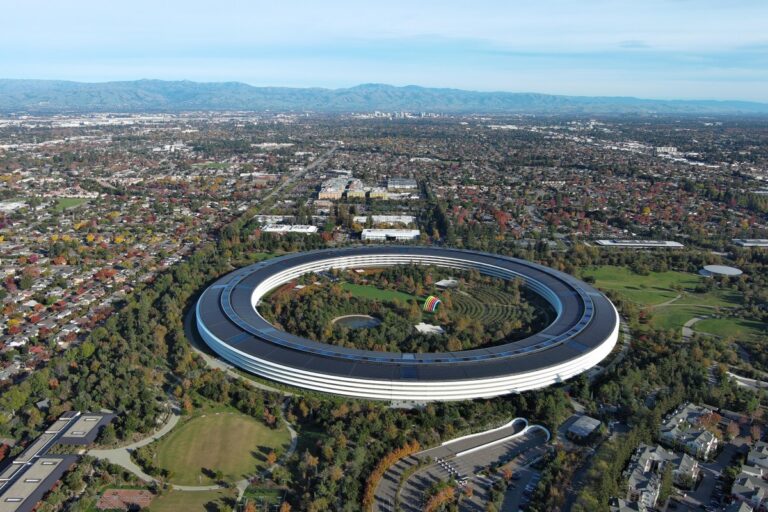
Apple filed 'shocking evidence' in its lawsuit against OpenAI, alleging former employee Chang Liu stole trade secrets including a confidential circuit schematic and used them at OpenAI.
Pentagon launches military versions of ChatGPT and Grok
The Pentagon launched custom versions of ChatGPT and Grok for military use, onboarding 1.7 million users already. ChatGPT Mil and Grok for Government run on a secure portal.
Blue Voice: AI platform for police policy guidance raises $6M
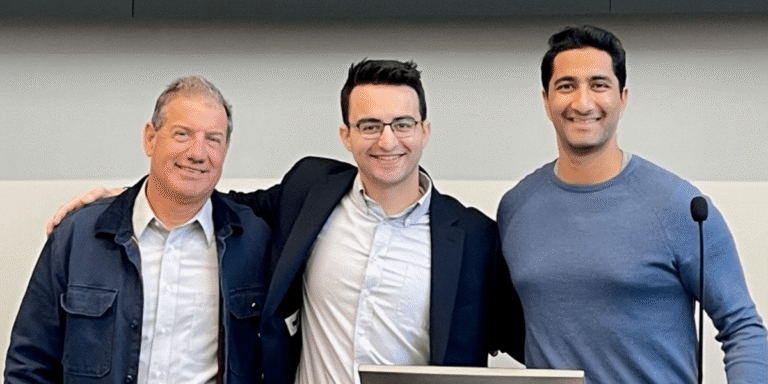
David Lawrence dropped out of Harvard Law to found Blue Voice, an AI platform that provides instant policy guidance to police officers in the field.
Clipto raises $15M at $250M valuation for AI-powered local file search

Clipto, an AI startup that indexes local videos and files for search, raised $15M at a $250M valuation and has reached $15M in annual recurring revenue.
Circleback launches free tier to compete in crowded meeting note-taking market

Circleback, a Y Combinator-backed meeting note-taker, introduces a free tier offering unlimited transcription and 30-day history to attract users in a crowded market.
U.S. robotics restrictions vs. China’s scale: a fragmented market ahead
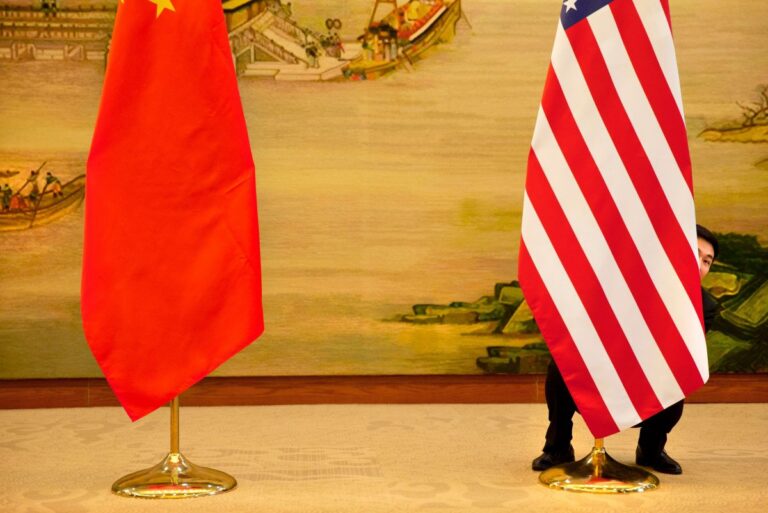
U.S. tariffs on drones and robots aim to counter China's manufacturing, but analysts predict a fragmented global market as Chinese firms expand elsewhere.