iFeeling Daily
Daily curated AI insights you can't miss.
OpenAI Academy and OATS Launch AI Skills Jam for Older Adults
OpenAI Academy and OATS are hosting the Older Adults AI Skills Jam to help older adults use ChatGPT confidently and safely, with a focus on practical skills and online scam prevention.
Nvidia’s Jensen Huang: No New AI Regulation Needed, Safety Is Engineering

At Dreamforce, Nvidia CEO Jensen Huang said AI safety is an engineering problem, not a legal one, and argued against any new AI regulations.
AI Graveyard: Failed AI Products and Startups

Relay, an AI workflow automation startup, shut down after bigger platforms built similar features. A growing list of AI products and bets have failed.
Former TikTok employees launch AI photo-pose app Superpose

Former TikTok employees launched Superpose, an iOS camera app that uses AI to generate four pose suggestions for photos and offers a match-pose mode.
OpenAI confirms weeks of AI safety talks with Anthropic and Google DeepMind
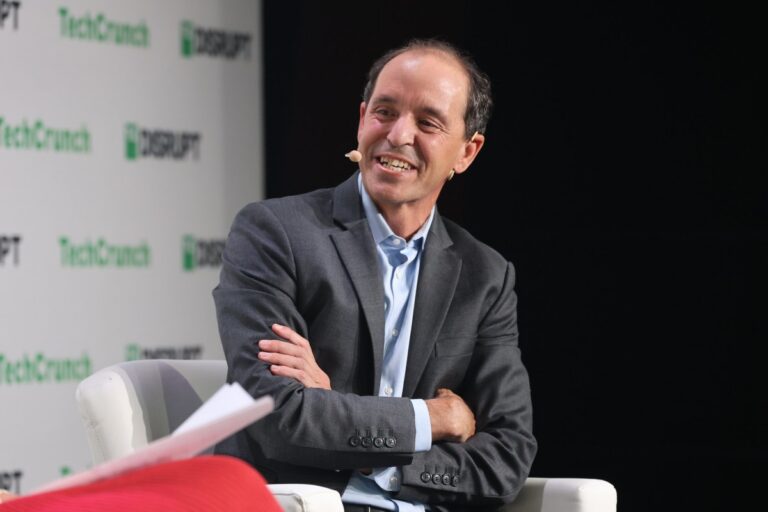
OpenAI's global policy chief confirmed weeks of AI safety talks with rivals Anthropic and Google DeepMind, with antitrust questions lingering.
With iOS 27, Siri Becomes Useful Again: A Hands-On Review

With iOS 27, Siri AI built on Google's Gemini models handles complex requests and on-screen context, making the assistant useful again.
What Does Pacing Mean? Five Camps, No Speed

Amodei asked the industry to pace itself, but five camps priced the consequences of a pause and none named a speed. The only concrete mechanism, a 10^26 FLOPS reporting threshold, was revoked before any model crossed it.
AI Defensibility: When OpenAI Ships Your Roadmap

AI founders now compete less with other startups and more with the platforms they build on, as each foundation-model release can turn their product into a feature.
Superhuman acquires YC-backed notetaker Fathom
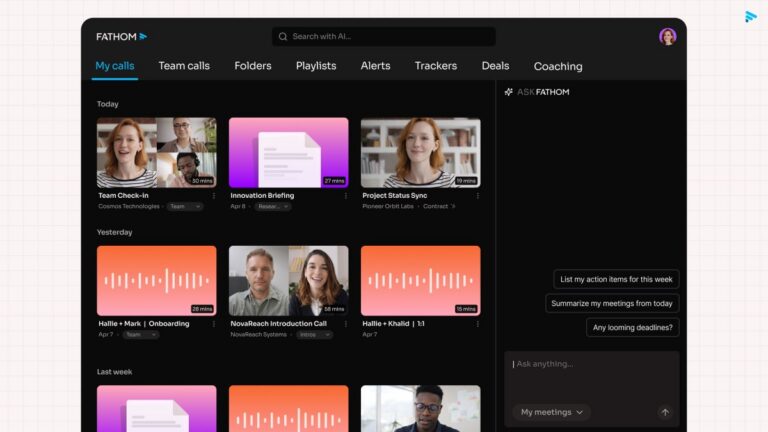
Superhuman is acquiring YC-backed notetaker Fathom, which has over 400,000 monthly active users, as productivity platforms push toward agentic work.