iFeeling Daily
Daily curated AI insights you can't miss.
LFM2.5 Q4_0 Checkpoints from Quantization-Aware Distillation
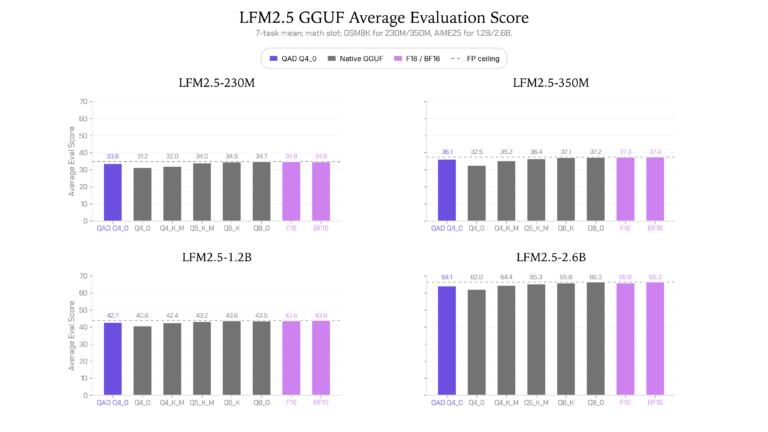
Liquid AI released QAD Q40 GGUFs for four LFM2.5 models, recovering up to 97% of quantization loss while keeping Q40 speed and size.
Relativity Networks Raises $22M for Faster Hollow-Core Fiber
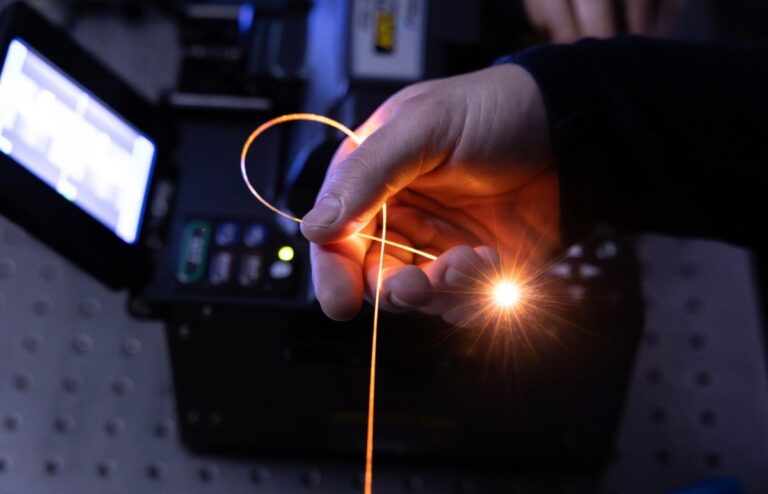
Relativity Networks raises $22M for hollow-core fiber, cutting data center latency by 30% to enable larger, synchronized campus deployments.
Claude accelerates protein design and analytical chemistry
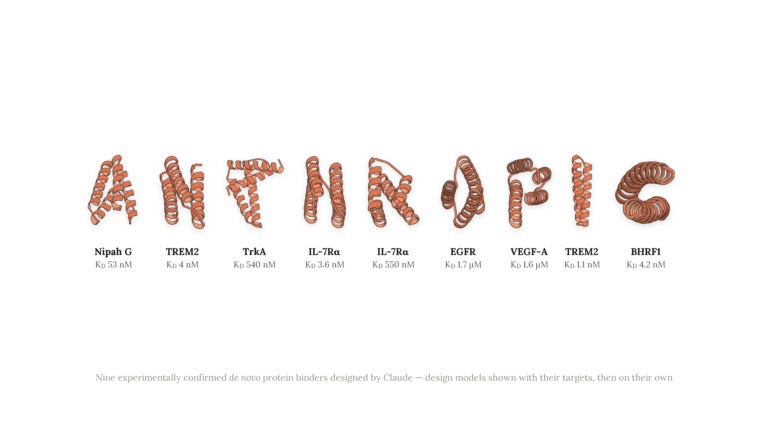
Claude designed protein binders against 14 of 15 targets with hit rates from 22% to 35%, and interpreted raw NMR and LC-MS data in 19-23 minutes.
Etched’s valuation doubles to $21B in a month with Jane Street-led round

Etched raised $700 million at a $21 billion valuation, led by Jane Street, after the quant fund tested and bought its AI inference hardware.
Birds Don’t Fly Like Planes. Neither Does AI.

A laptop model can match a frontier cloud model on agent work, but it reasons far more to get there. Qwen3.8-27B ranks #1 on Artificial Analysis’s Intelligence Index at 52.
Multi-Vector Late Interaction Embedding Models in Sentence Transformers

Sentence Transformers v6.0 adds MultiVectorEncoder for ColBERT-style late interaction, MaxSim scoring, visual document retrieval, and token pooling.
Constraint-Aware GPU Allocator Boosts Utilization by 33 Points

On identical hardware and workloads, a constraint-aware GPU allocator increased utilization by up to 33 percentage points and priority-weighted output by 105% vs. FIFO scheduling.
Amazon destroys rare books to train AI models

Amazon is destroying rare books to scan for AI training data, according to a 404 Media investigation that tracked a book to an Amazon facility.
When Models Learn: Test-Time Training Economics
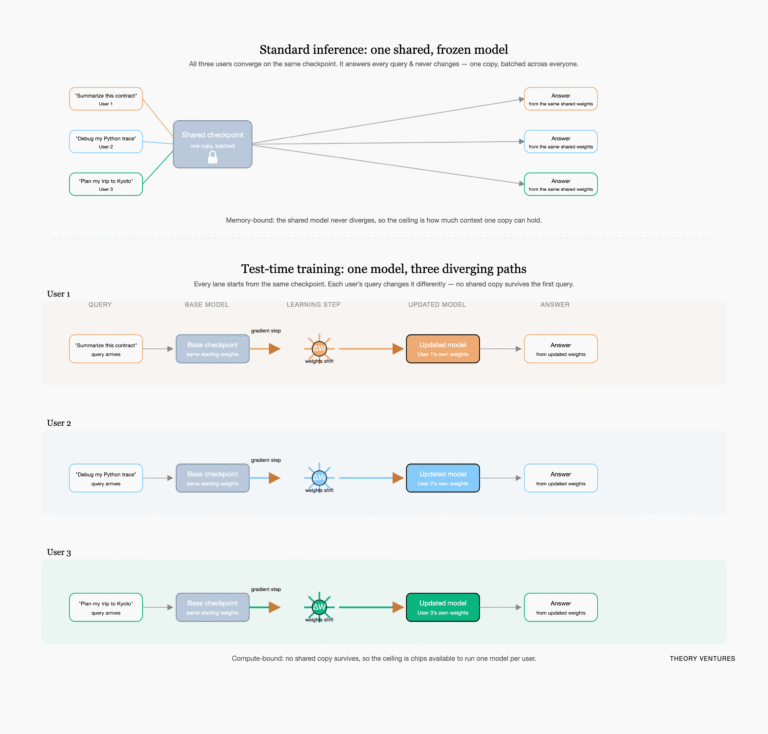
Test-time training changes model weights as it works, collapsing memory to fixed size while requiring a separate model per user—a tension between long context and many people.