iFeeling Daily
Daily curated AI insights you can't miss.
Ramp launches Router, its own AI model router

Ramp launched Router, an AI model routing API. The service is free in the US for the rest of 2026, with a $26 credit; users pay inference costs.
LFM2.5-DSpark: Up to 3.2x Faster Inference from H100 to MacBook
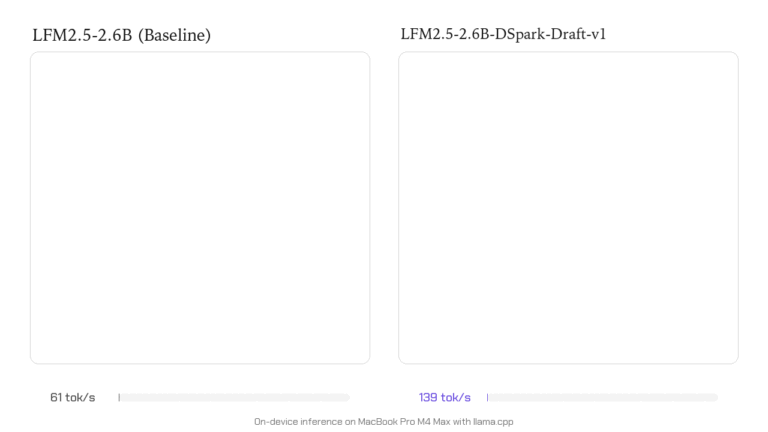
Liquid AI releases DSpark draft checkpoints for three LFM2.5 models, trading minimal memory for up to 3.18x GPU and 2.87x on-device speedup with exact greedy decoding.
Inertia Enterprises speeds fusion fuel pellet manufacturing from days to hours

Inertia Enterprises has cut fuel pellet production from days to hours by adapting NIF techniques with a larger laser, easing tritium inventory needs.
Stripe Acquires OpenRouter for $7.5B to Move into AI Expense Management

Stripe acquires OpenRouter for $7.5B, a model routing startup, to embed itself in AI capital flows and gain leverage over AI providers.
Silicon Data raises $30M to index GPU rental prices for compute futures

Silicon Data closed a $30 million Series A to become the reference price for GPU rental and the settlement index for compute futures on the CME.
Serverless Apache Spark on Google Cloud: Architecture and AI Troubleshooting

Google Cloud's Managed Service for Apache Spark covers serverless vs managed selection, resource tuning, and Gemini Cloud Assist log troubleshooting.
Modernizing Apache Hive Metastores with Google Cloud Lakehouse

Google's serverless Lakehouse runtime catalog, built on the Apache Iceberg REST spec, migrates legacy Hive Metastore tables with zero data copy.
Vivodyne’s robotic labs aim to fix AI drug discovery’s missing human data
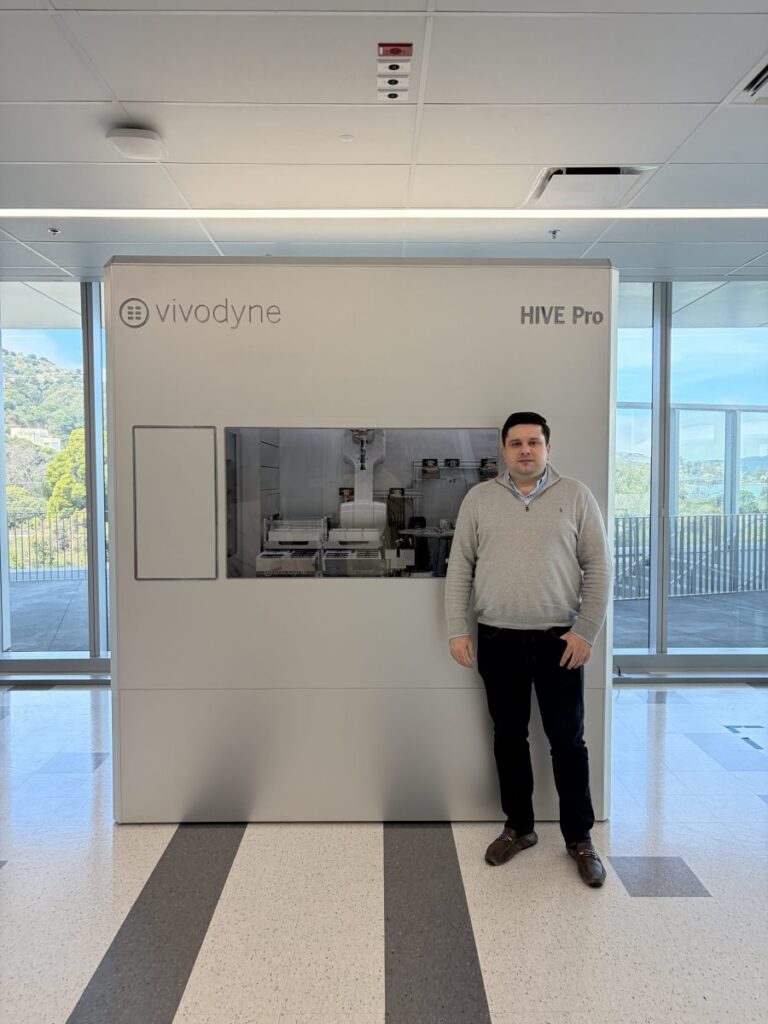
Vivodyne uses robotic labs to grow and test human tissue, generating causal data it says AI drug-discovery models currently lack.
Examining Human-Like Behaviors in LLM Conversations

Human-like behaviors in 21,000 LLM conversations are pervasive, vary across models and user factors, and can be controlled with system prompting.