iFeeling Daily
Daily curated AI insights you can't miss.
What’s new with Google Data Cloud
Google Data Cloud announces stateful BigQuery continuous queries preview, synthetic data generator for Managed Kafka, and Lakehouse Iceberg tables preview.
Meta discounts Muse Spark model to collect user data for training

Meta offers a ~95% discount on its Muse Spark model for users who share their prompts and outputs, aiming to capture vital training data for agentic tools.
Meta’s Ads-Model Pricing for AI: Subsidized Tokens for Training Data
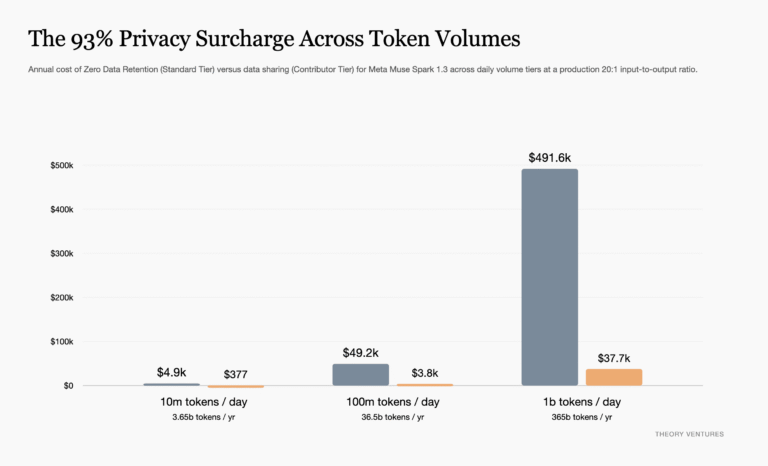
Meta's new two-tier pricing makes the data-for-access barter explicit, with a $1.24/m token subsidy for customers who allow their data to train future models.
BigQuery identity columns: auto-generating sequential integers
BigQuery identity columns auto-generate sequential 64-bit integers for table rows, simplifying data ingestion and reducing boilerplate code in ETL pipelines.
Real-Time Intelligence with IBM Granite Time Series Models on Confluent
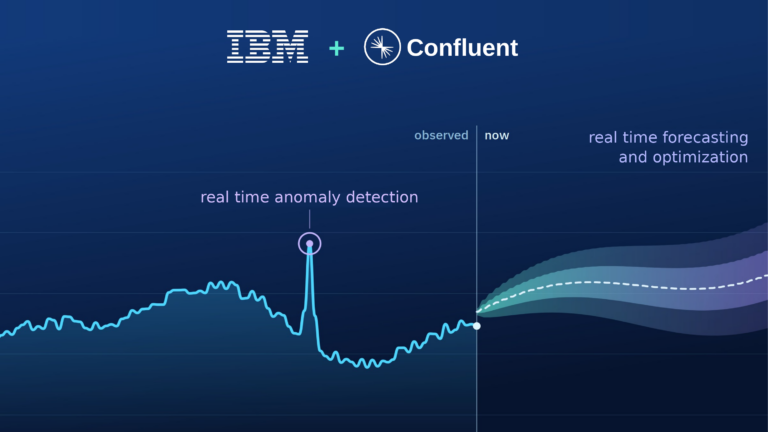
IBM and Confluent bring time series foundation models to streaming data, enabling forecasting and anomaly detection on Confluent Cloud with zero configuration.
TabFM adds zero-shot predictive ML to BigQuery
Today, we are announcing the TabFM model in BigQuery, a state-of-the-art, pre-trained foundation model for regression and classification on tabular data.
How Blackline prevents data exfiltration with VPC Service Controls

BlackLine leverages VPC Service Controls and new policy intelligence tools to simplify security perimeter management and reduce incident response time for data exfiltration.
AIR raises $50M to vet AI agent skills and add-ons

AIR raises $50M to help companies vet AI agent skills and add-ons, filtering 27% of them.
@huggingface/kernels: 200+ WebGPU Kernels for Local AI
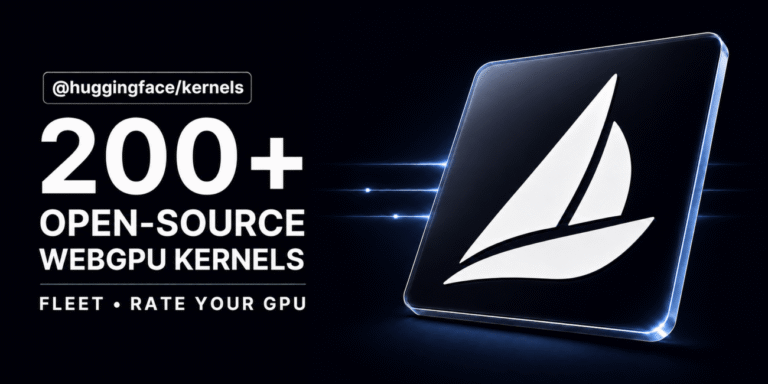
Hugging Face released @huggingface/kernels, a library for running optimized WebGPU kernels from the Hub, along with 207 kernels and Fleet for crowdsourced benchmarking.