iFeeling Daily
Daily curated AI insights you can't miss.
Massachusetts requires data centers to bring their own clean power

Massachusetts will require data centers over 25 megawatts to supply clean power or pay into a ratepayer protection fund, under a new executive order.
AlloyDB Omni RPM Orchestrator Reaches General Availability
AlloyDB Omni RPM Orchestrator is now generally available, bringing production-ready HA, security, and low-downtime operations to PostgreSQL workloads on VMs and bare metal.
IBM Releases Granite Time Series PatchTST-FM-r2 With Permissive License
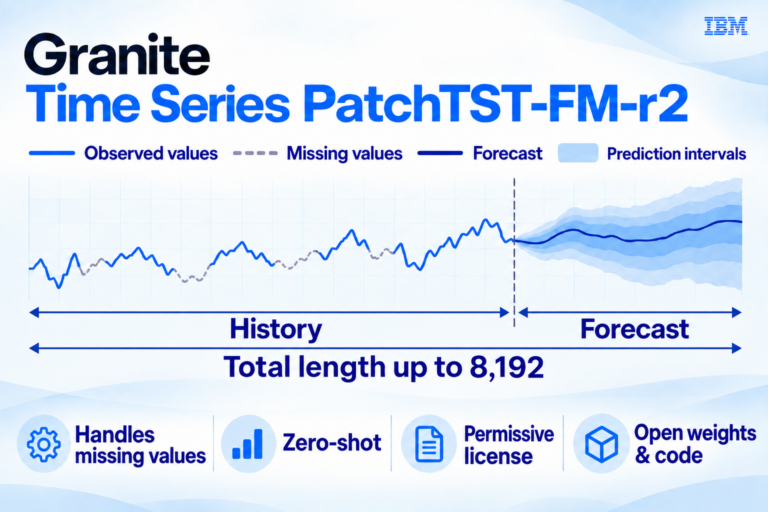
IBM's Granite Time Series PatchTST-FM-r2 is the top permissively licensed zero-shot model on GIFT-Eval, offering ~385M parameters and 99-quantile forecasts.
Ramp data shows AI spend per employee at top firms fell 10% in August
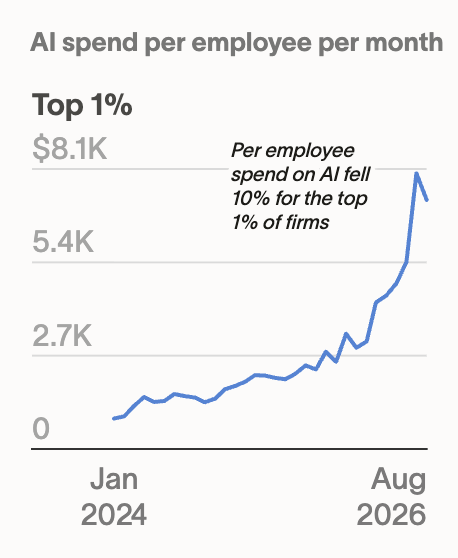
According to Ramp, 56% of customers paid for AI products in August, up 0.4% from July, while AI spend per employee at top firms fell nearly 10%.
Mistral raises €3B as sovereign AI becomes big business

Mistral AI raised €3 billion at a €21 billion valuation, the largest equity round ever by a European tech company, led by Samsung.
TechCrunch glossary defines opaque recurrence and other AI terms to know
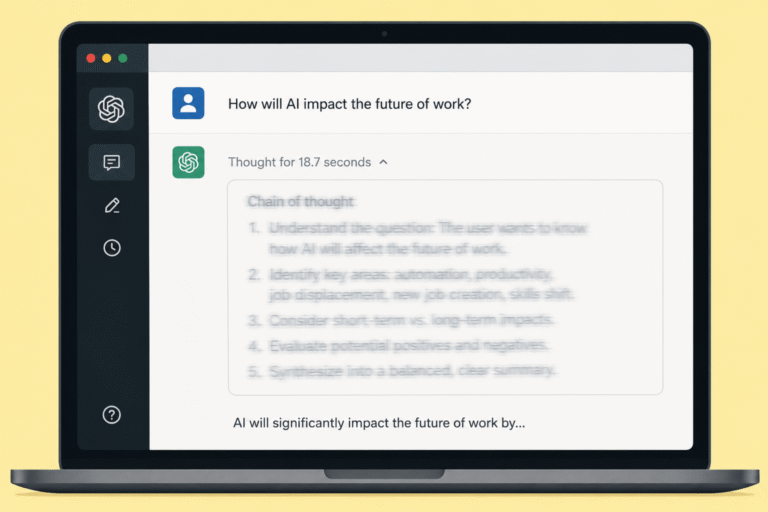
TechCrunch's living glossary defines opaque recurrence and other fast-moving AI terms, from AGI and LLMs to neuralese, MCP, RAMageddon, and more.
XDOF in Series B talks at $1.2B valuation three months after stealth launch
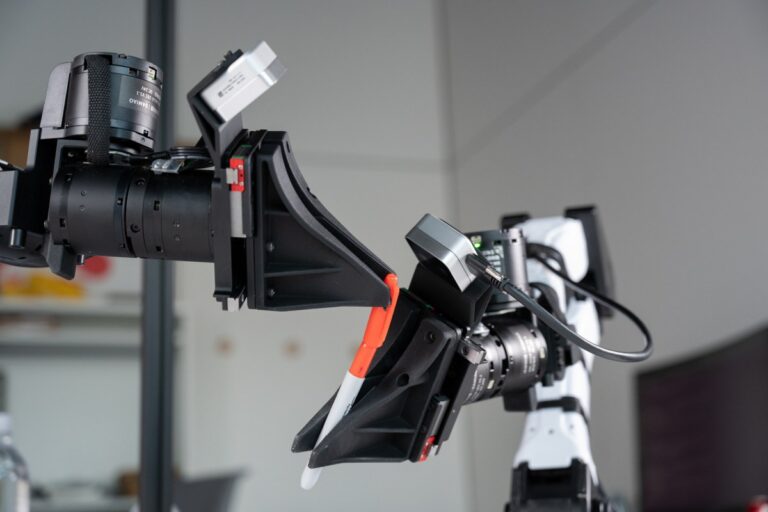
XDOF, a robotics data startup, is in talks for a Series B at a $1.2B valuation just three months after emerging from stealth.
Benchmarking TPU v6e: Classification vs. Generation with Gemma 3

For generation tasks, the Gemma 3 12B sustains 8.19x throughput at 128 users while the 27B plateaus at 4.12x, but for classification both models scale similarly.
Concrete, Silicon, & Leverage: The $4T Debt Behind AI Data Centers
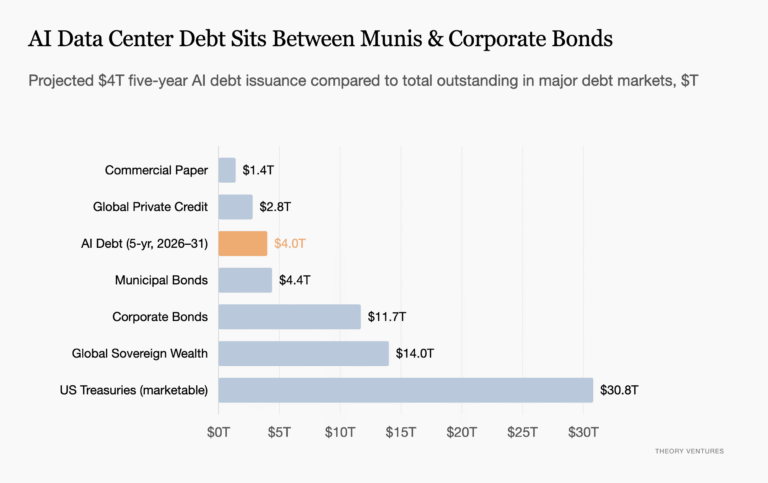
Financing AI infrastructure is a macroeconomic credit event: $4 trillion in new debt needed by 2030, rivaling the largest debt expansions in history.