iFeeling Daily
Daily curated AI insights you can't miss.
OpenAI’s Full-Stack Compute Strategy and Jalapeño Chip Results
OpenAI's compute strategy treats data centers, chips, models, and products as one integrated system, with Jalapeño, its first custom inference chip, showing measured gains in throughput per kilowatt and token latency.
Keenable builds web-scale search index for AI agents with $26M seed

Keenable, founded by Yandex's former search chief, is building a 100B-document web index designed for AI agents, backed by $26M from Accel.
Quantization-Aware Healing: 4-Bit Model Beats Its Full-Precision Source
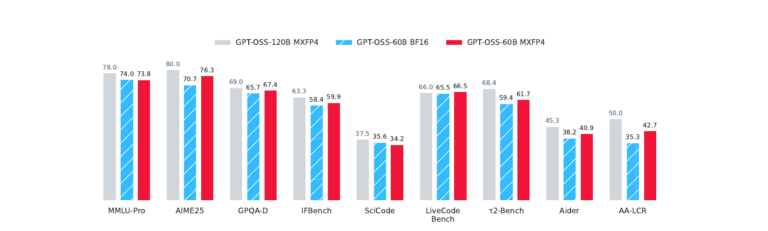
Quantization-Aware Healing (QAH) distills a compressed 4-bit student directly from the original full-precision teacher, producing a 60B MXFP4 model that beats its own bfloat16 source on 7 of 9 benchmarks.
The AI Bullwhip: How Bottlenecks Cascade Across Hardware

The AI hardware supply chain is a classic bullwhip: each bottleneck relieves only to trigger the next, with multi-year lags and ever-higher baseline costs.
Local AI Models Match Cloud on 89% of Queries: The Edge AI Shift
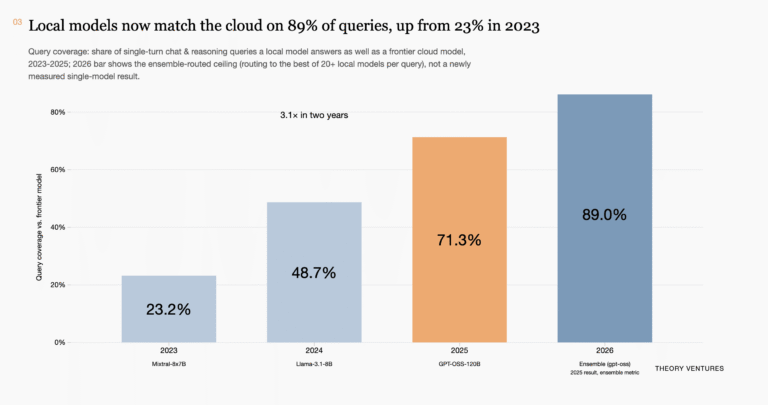
Local AI models now match frontier cloud models on 89% of everyday queries, promising major energy and cost savings while cloud remains vital for complex tasks.
Starcloud raises $250M for orbital data centers amid launch crunch
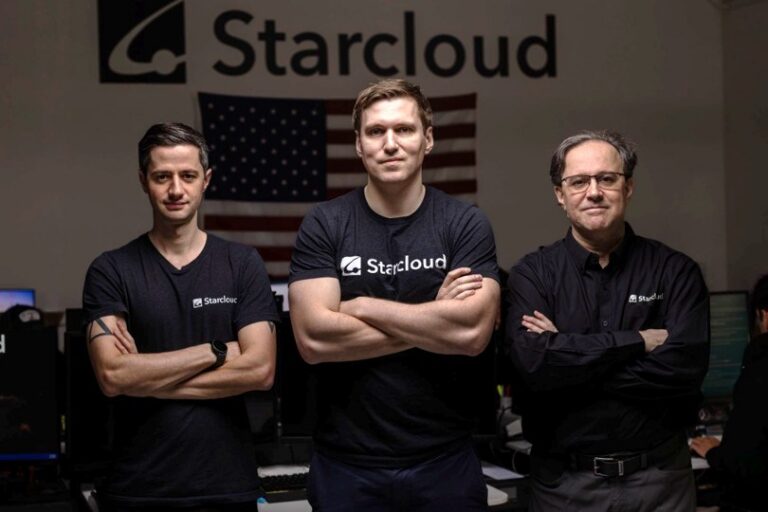
Starcloud raises a $250 million Series A extension, hitting a $2.3 billion valuation, to scale orbital AI inference satellites despite tight launch options.
Micro1 hits $500M gross run rate amid AI training data boom
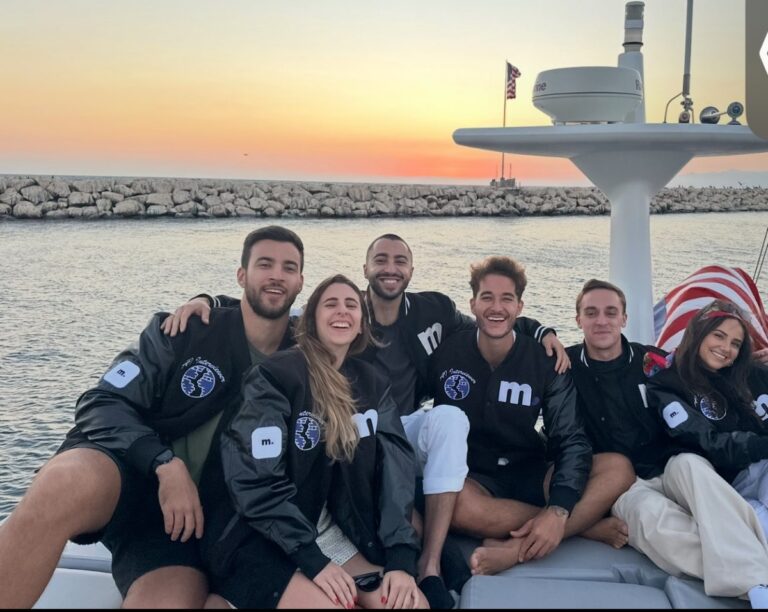
Micro1's gross annual run rate jumped from $100M to $500M in eight months, with net run rate between $150M and $200M amid booming AI training data demand.
Wastewater recycling, not literal pee, is real data-center cooling

Data places in Virginia use millions of drained gallons of recycled wastewater daily; the real solution is not raw urine in servers, but treated wastewater.
Runlayer and Rippling Drop Lawsuits, but AI Cautionary Tale for Founders
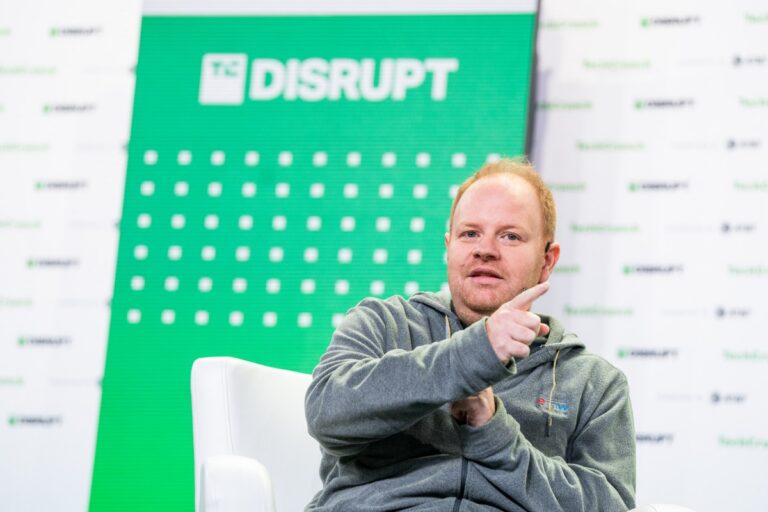
Runlayer and Rippling dropped their dueling lawsuits, but the episode warns founders that prospective customers can become competitors overnight in the AI era.