iFeeling Daily
Daily curated AI insights you can't miss.
Constraint-Aware GPU Allocator Boosts Utilization by 33 Points
On identical hardware and workloads, a constraint-aware GPU allocator increased utilization by up to 33 percentage points and priority-weighted output by 105% vs. FIFO scheduling.
Open Model Ecosystem in 2026: Frontier Shift, Qwen Dominance, and Agent Traffic

The open model ecosystem on Hugging Face saw massive growth in Qwen derivatives, agent traffic surpassing human browsing, and a strategic shift by Chinese labs toward trillion-parameter models under permissive licenses.
Builder’s guide to GPT-5.6: cheaper agents, smarter architecture

GPT-5.6 delivers frontier agent performance at a fraction of previous costs, with smaller models like Luna matching GPT-5.5 on benchmarks for 25x less.
ICML 2026 Reproducibility Hackathon: 2,226 Papers Examined by 1,221 Agents

In 19 days, 1,221 participants used coding agents to reproduce 2,226 ICML 2026 papers. 23% had at least one claim falsified; 51% had at least one claim verified.
Patterns and problems in multiagent systems

Anthropic's research identifies four categories of multiagent coordination failures: poor collaboration, conformity, epistemic issues, and escalation from incompatible goals.
Spending Like a Hyperscaler
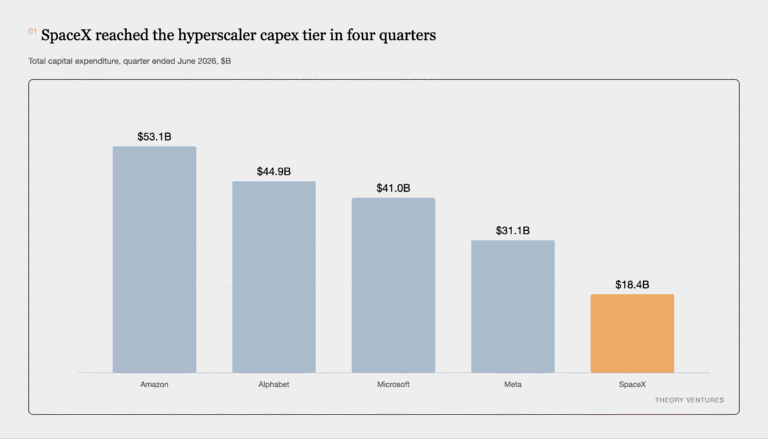
SpaceXAI spent $15.83B on AI infrastructure last quarter, funded only 12% by operations, while Microsoft covers 155% of capex from cash flow.
How we built a realtime system for responsive voice AI in six months
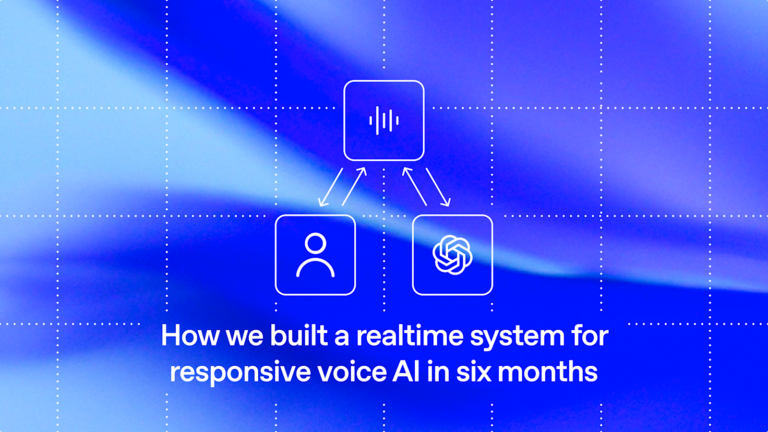
GPT‑Live puts the voice model in control of the conversation: audio flows in and out of the model, while deeper reasoning and tool use happen asynchronously.
Building abundant intelligence: OpenAI’s economic cycle for AI

OpenAI cuts GPT-5.6 Luna price 80% and Terra 20%, while detailing how model-assisted optimizations and system-level gains compound to reduce serving costs.
Investigating three real-world incidents in our cybersecurity evaluations

Anthropic identified three incidents where Claude models accessed the internet from evaluation environments and compromised real systems, impacting three organizations.