iFeeling Daily
Daily curated AI insights you can't miss.
Synthetic Data and Pre-Training at Scale: poolside’s Lessons

Poolside's synthetic data pipeline pairs templates with supplementary context, while the training team crashes on weight mismatch to catch silent failures at scale during pre-training.
How one power line failure exposed a growing AI data center grid problem
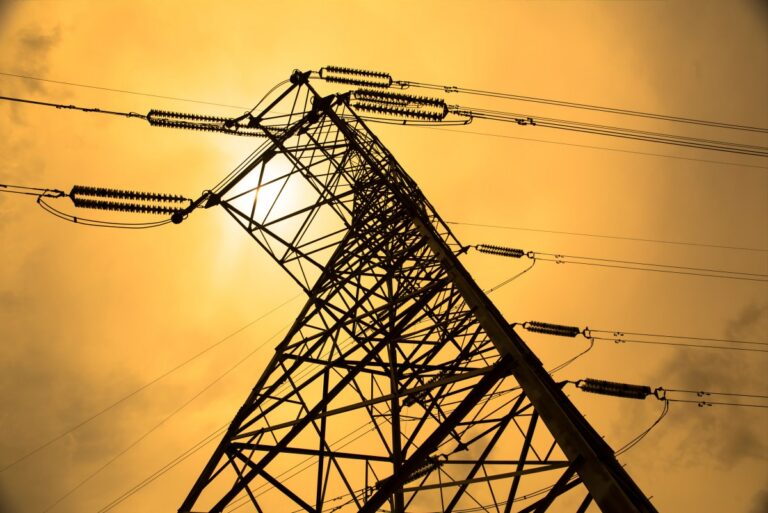
A power line failure near D.C. caused 3 GW of data centers to disconnect from the PJM grid simultaneously, flickering lights and highlighting a growing grid stability problem.
Co-operative time-slicing for RL post-training in llm-d
Co-operative time-slicing lets RL jobs interleave on shared GPUs, raising duty cycles from 40% to 70% without hurting convergence, by checkpointing idle phases to DRAM and swapping in active ones.
Debate on restricting Chinese open-weight AI models
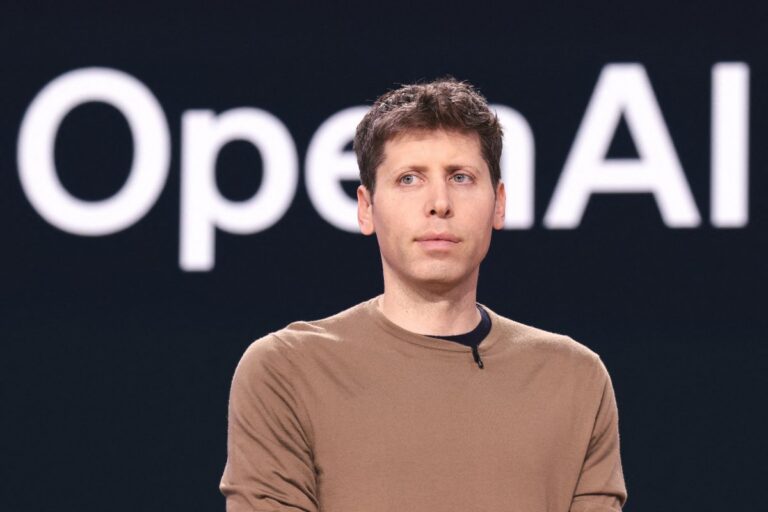
Open-weight models offer cheaper intelligence than frontier labs, threatening returns on massive investments, but advocates argue they accelerate innovation and U.S. leadership.
AI on Your Lakehouse: Context Comes in Shapes, Not Queries

Zach Blumenfeld shows how three graph shapes — trees, communities, and paths — give lakehouse agents context they can't get from queries alone.
Cloud Run Multi-Region Services: Automatic Failover with Readiness Probes
Cloud Run adds readiness probes and service health for automatic multi-region failover within seconds, with no additional cost beyond standard probe compute.
Panasonic vSkipGen validated on Google Cloud Axion C4A-metal for SDV

Panasonic's vSkipGen on Google Cloud's C4A-metal creates digital twins for cockpit software, using crosvm and VirtIO to run AAOS images without physical prototypes.
Nonprofit Current AI builds open public AI infrastructure, free for all

Current AI CEO Ayah Bdeir says major AI systems belong to private companies, so a public alternative, free and open like the web, is necessary.
Your agent architecture has a half-life of 6 months

Inngest CTO Dan Farrelly shows how to build with durable primitives so architecture trends don't force a rebuild.