iFeeling Daily
Daily curated AI insights you can't miss.
DevFest Community Workshop: Building Real Agents Together
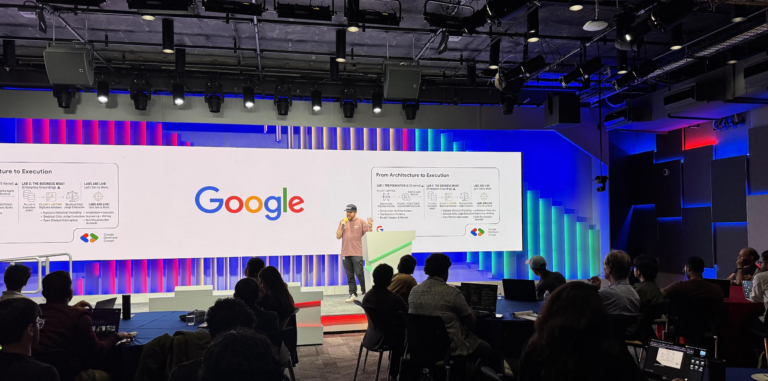
A recap of the DevFest Community Workshop in New York: Workbench-based labs moved beyond code snippets to teach agent architectures and self-patching pipelines.
Google’s CC AI agent now helps families run households
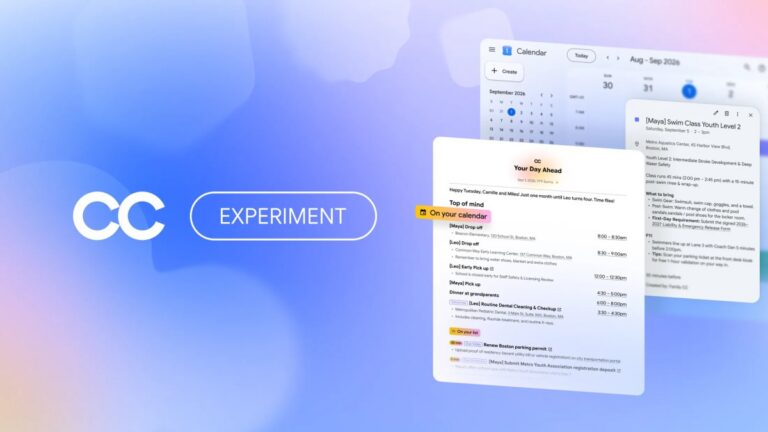
Google is testing CC, an AI agent that helps families coordinate schedules, tasks, and household chores via email, calendar, and shared task lists.
Using AI Agents to Secure Google Infrastructure

Google embeds AI agents to continuously scan every code change, using localized threat models and bug-fix agents to prevent hundreds of vulnerabilities monthly.
Meta’s Muse desktop app brings agentic AI to Mac
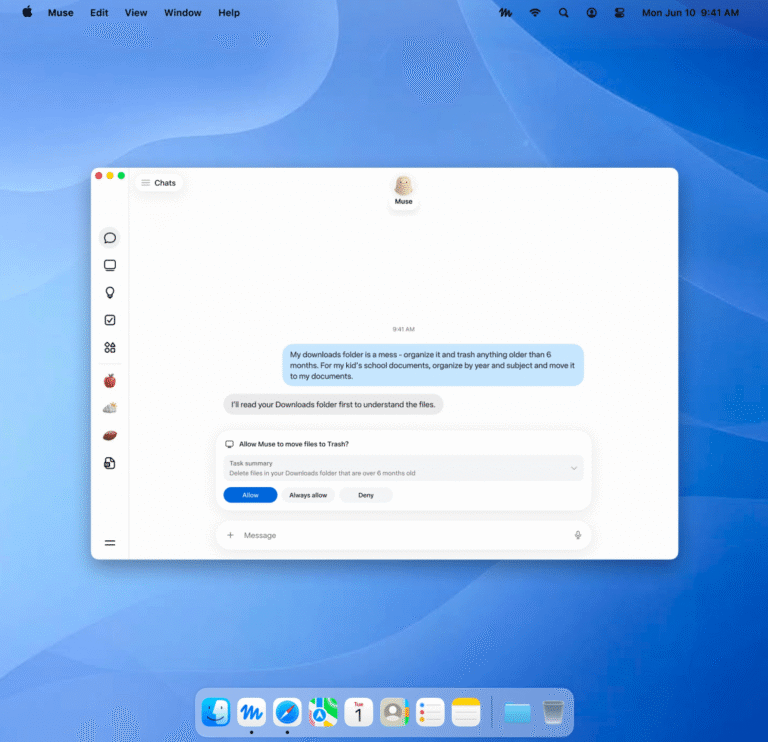
Meta's Muse is now on Mac, where the agent can work inside native apps for files, messages, calendar, notes, and mail with opt-in access controls.
AI Agent Oversight: Why the Fix May Be More AI

As AI agents act faster than humans can review, labs and startups are putting another AI in the loop to monitor them, though skeptics warn of AI-vs-AI tricks.
Solo Founder Runs Global Tender Platform on AlloyDB and MCP
Lucius AI runs a global tender platform on AlloyDB with one operator, cutting semantic search latency 47x and automating database ops through MCP.
Instinct and Meta’s Muse Add Outbound Calling Features

Instinct and Meta's Muse both added outbound calling features, putting rival text-based AI agents at parity on phone tasks as rollouts begin.
Google’s Cloud CISO Perspectives on AI Threats and Defenses

Google Threat Intelligence shares the latest AI Threat Tracker findings and details multi-model defenses like Wiz, CodeMender, and in-editor guardrails.
How Orange uses agents to make FinOps everyone’s responsibility
By pairing FinOps Clean Days with AI agents, Orange turns cloud cost accountability into a shared practice and extends it beyond the core community.