iFeeling Daily
Daily curated AI insights you can't miss.
Why Specialization Is Inevitable in AI Systems
The article draws on the No Free Lunch theorem, evolutionary biology, market dynamics, and machine learning to argue that specialization—not generality—is the structural path to outperformance under scarce resources. It distinguishes domain specialization from domain knowledge, showing that scaling compute does not dissolve the advantage of focus.
The power of multi-model Spanner for the agentic era
If you're building AI agents that need deep context from structured, semantic, and graph data, this article explains why Google Spanner's native multi-model architecture—unifying graph, vector search, full-text, and analytics in a single ACID engine—is the foundation to bet on. It backs the claim with Gartner's #1 ranking and a Forrester study showing 132% ROI.
BigQuery AI.AGG() Deep Dive: Summarize Unstructured Data at Scale with SQL
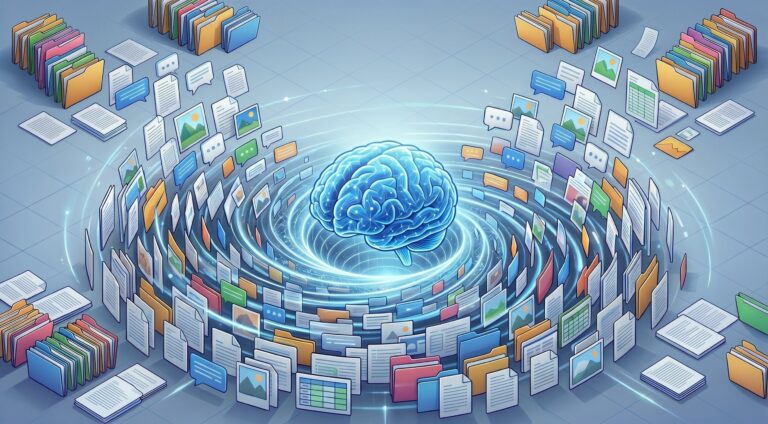
BigQuery's new AI.AGG() function lets you summarize millions of rows of logs, product descriptions, or images using natural language in a single SQL query—automatically handling batching and context windows. It's a practical bridge between LLM-powered analysis and warehouse-scale data, especially useful when paired with other AI functions like AI.CLASSIFY() for structured output.
How Curve Uses BigQuery Graph to Catch Fraud Rings at Scale
Curve shows how moving from expensive SQL self-joins to BigQuery Graph's native GQL let them detect hidden fraud rings at scale, saving ~$12M in 2025. The insight is that keeping graph analytics inside your existing warehouse avoids the migration pain of specialized graph databases.
Turner Industries’ Blueprint for a Secure, Cloud-First Infrastructure
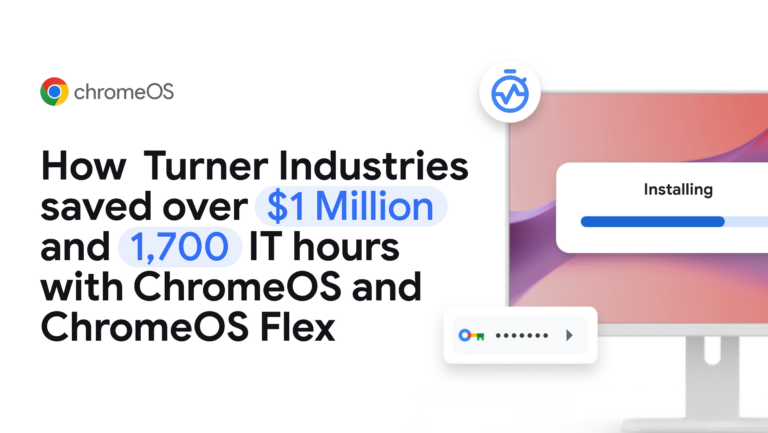
Turner Industries achieved 40-50% lower cost-per-device, 1,750 annual IT hours saved, and a simpler security model by moving to a ChromeOS, Google Workspace, and Cameyo stack. A concrete case for cloud-first infrastructure at industrial scale.
SQL Alerting for Google Cloud Observability Analytics
Google Cloud announced SQL alerting for Observability Analytics, letting engineers write complex analytical SQL queries directly against logs and traces as alert conditions. This collapses the gap between operational monitoring and ad-hoc analysis, enabling high-cardinality alerts like per-customer error spikes or p99 latency anomalies without custom pipeline work.
Run a Private vLLM Server on Hugging Face Jobs with One Command
This article shows you exactly how to stand up a private vLLM server on Hugging Face Jobs with one command, query it from anywhere with the OpenAI client, and scale it to larger models — all without provisioning servers or touching Kubernetes. It also covers SSH debugging, tool calling for agents, and when to use Jobs versus Inference Endpoints.
Async Inference: Why the Future of AI Agents Runs on Queues, Not Real-Time
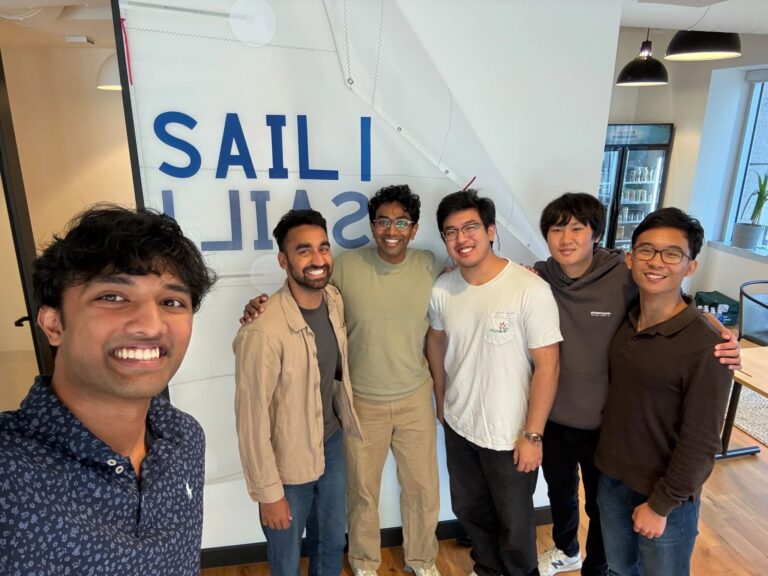
The article argues that as AI agents shift from real-time chat to background batch work, inference infrastructure must follow. Sail Research builds an async inference stack that queues requests, routes to the cheapest capable open model, and uses spot capacity to cut costs dramatically—GLM-5.1 on Sail costs 6x less per token than Anthropic's Haiku.
Databricks’ Agent Cloud: Why Open Source and LTAP Matter for AI
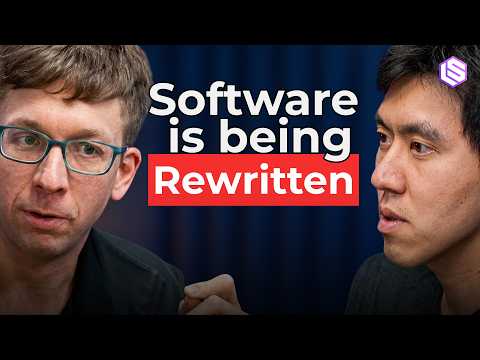
Databricks co-founders Matei Zaharia and Reynold Xin unpack Omnigent (an open-source meta-harness above coding and enterprise agents), LTAP (their database bet for live transactional data in column-oriented formats), and why agent security, spend controls, and a common API matter more than ever. The thesis: traditional software gets rewritten once the data is in the right place and agents sit on top.