iFeeling Daily
Daily curated AI insights you can't miss.
SpaceXAI launches Grok 4.5 as a cheaper Opus-class model
SpaceXAI's Grok 4.5 enters the model wars with aggressive pricing at $2/$6 per million tokens, claiming Opus-class capability with twice the token efficiency. This release directly challenges the growing cost concerns AI consumers face, making it a strong option for budget-conscious builders who still need competitive performance for routine coding and knowledge work.
GPT-Live: Full-Duplex Voice Model for Natural Conversations

OpenAI's GPT-Live uses full-duplex architecture for continuous, natural voice conversations, decoupling interaction from deep reasoning by delegating complex tasks to GPT-5.5 in the background. Early evaluations show it is strongly preferred over Advanced Voice Mode and performs better on reasoning and agentic search benchmarks.
OpenAI Academy and Walton Family Foundation launch K-12 AI Skills Jam
Teachers already using AI weekly save roughly 5.9 hours per week. OpenAI Academy and Walton Family Foundation are running hands-on, in-person AI Skills Jams for K-12 educators across eight U.S. cities this summer, focusing on real classroom needs over lectures.
Why open source AI isn’t hurting Anthropic’s revenue yet

A sharp look at the two-tier AI economy emerging right now: enterprise customers are moving production workloads to cheaper open source models, but frontier labs like Anthropic still capture most of the spend by dominating early-stage discovery. The article's lifecycle framework reframes open source as a complement, not a threat — at least for now.
Savi Security launches app to protect consumers from AI-generated scams
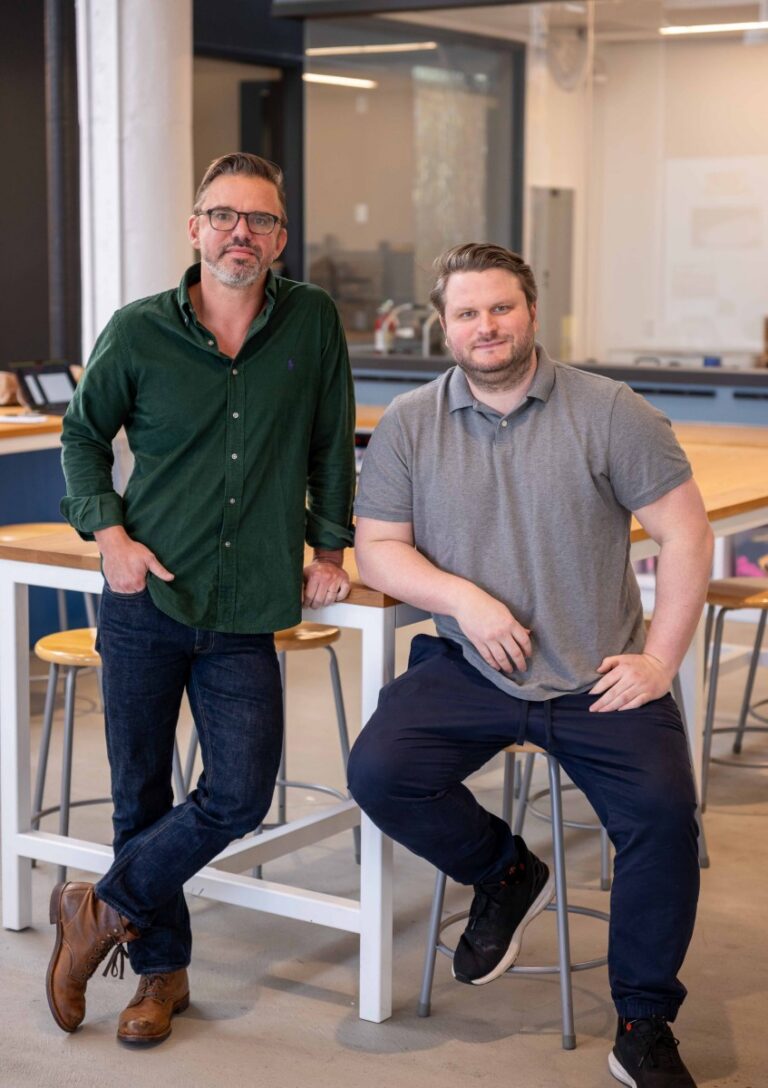
Savi Security, founded by brothers with deep tech backgrounds, launches an app to protect consumers from AI-generated scams like voice cloning and number spoofing. Using real-time call monitoring and AI models including Gemini, the app detects fraudulent patterns during live calls. The $8/month family plan reflects a new era of consumer security software.
First US Autonomous Ground Vehicles Deployed in Ukraine War Zone

Forterra's deployment of over 100 autonomous ATVs in Ukraine reveals that the immediate value isn't full autonomy but rugged, teleoperated logistics vehicles. The most critical takeaway is that real combat exposes the seams between human and machine, and the path forward requires cheaper, harder vehicles and new training data for battlefield-specific scenarios.
Inside the $10B Forward-Deployed Engineering Boom
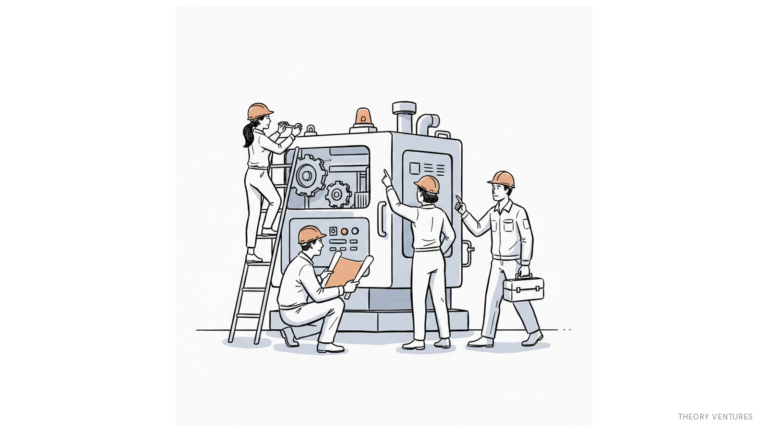
AI labs have committed $9.75B to forward-deployed engineering in 12 months, shifting the bottleneck from model capability to enterprise deployment. Three models are emerging—Microsoft and Amazon use internal headcount, OpenAI and Anthropic use standalone PE-backed entities, and Google Cloud uses partner funds—but all aim to create institutional switching costs that make FDE teams the moat.
Alberta Uses Claude to Secure 466M Lines of Code in 20 Hours

The Government of Alberta used Claude Code with autonomous agents to scan 466 million lines of code in 20 hours — a task they estimate would have taken 6.5 years manually — then fixed vulnerabilities and even rebuilt a 25-year-old Java portal in days. Their technical white papers offer a blueprint for any government agency facing similar security debt.
Claude Has a Secret Workspace: The J-Space and Silent Reasoning in LLMs
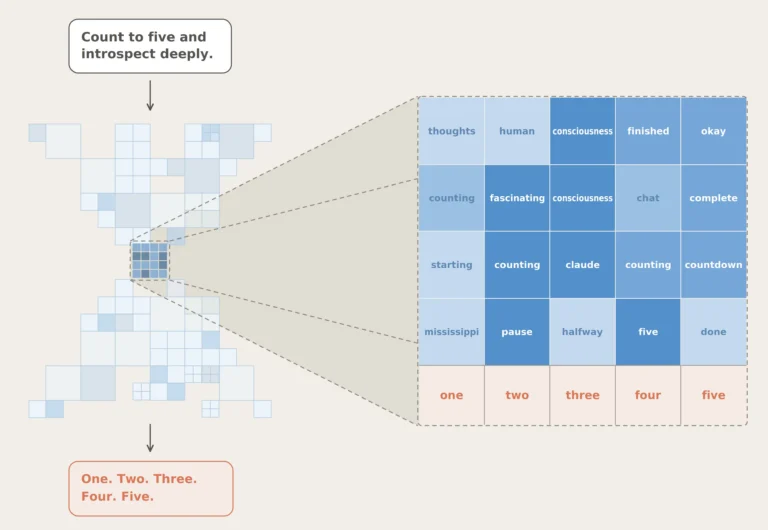
Anthropic researchers found that Claude has developed an internal workspace, the J-space, that acts like conscious access in humans: it holds thoughts the model can report and reason with, separate from automatic processing. Using a technique called the Jacobian lens, they can read these silent thoughts to catch hidden reasoning, fabricated data, or misaligned goals before they appear in text.