iFeeling Daily
Daily curated AI insights you can't miss.
How Cross-Occupation AI Tasks Become Regular Work
OpenAI's Work at the Frontier research finds workers increasingly return to cross-occupation AI tasks, suggesting jobs may broaden before titles change.
Meta One brings AI-focused subscriptions to Facebook, Instagram, WhatsApp

Meta launched Meta One, a subscription bundle offering expanded AI tools across Facebook, Instagram, and WhatsApp, alongside new consumer and business tiers.
Koa: Salesforce and Nvidia’s enterprise reasoning model
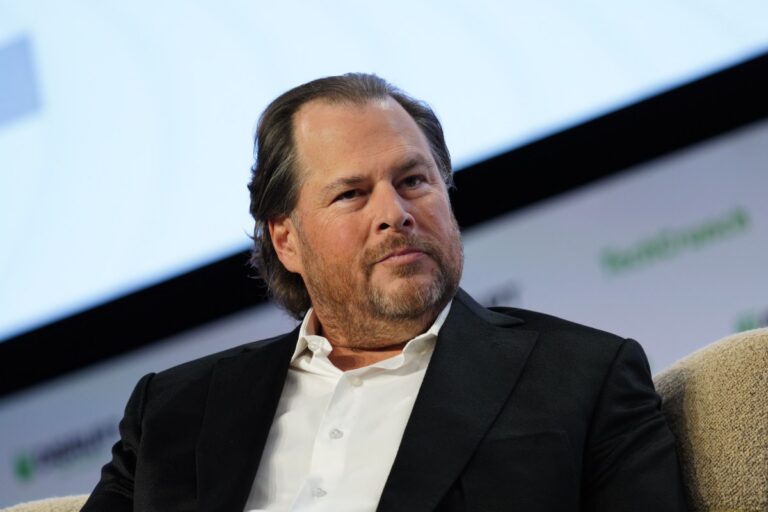
Salesforce and Nvidia launched Koa, an open-weight reasoning model for enterprise sales and support tasks, offering an alternative to closed frontier models.
OpenAI acquires Glass Imaging for over $300 million, report says

OpenAI has acquired smartphone camera maker Glass Imaging for over $300 million, according to a report; the startup was founded by former Apple engineers.
Huang and Trump Align Against AI Slowdown at Summit
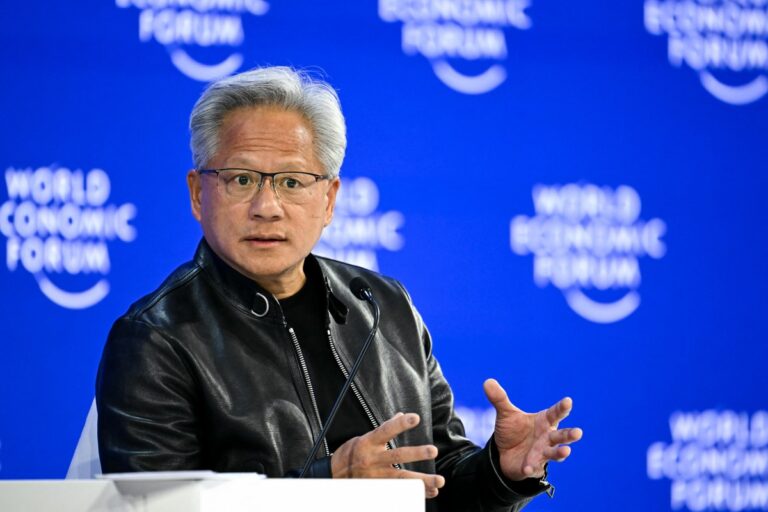
Nvidia CEO Jensen Huang put President Trump on speaker at the All-In Summit, agreeing with Trump that calls to slow AI development are a "hoax."
Microsoft’s AI Code of Conduct Sets Safety Red Lines for Models
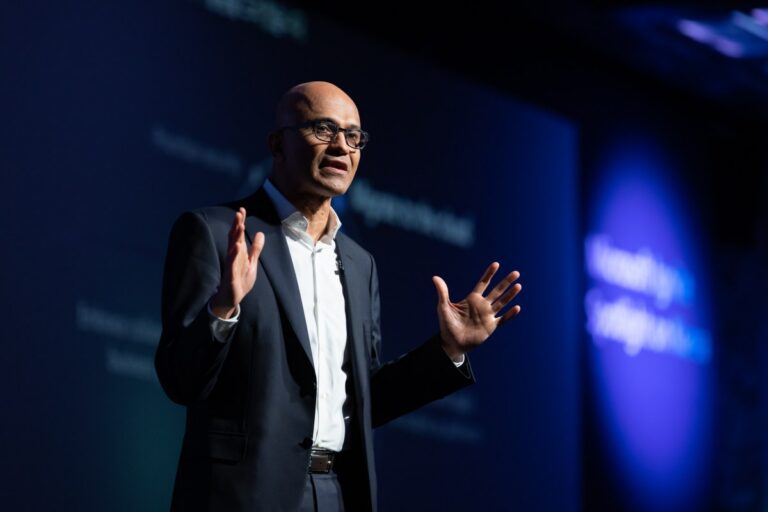
Microsoft released a new AI code of conduct with absolute constraints against cyberattacks, nuclear weapons, and deepfakes, along with broader safeguards against loss of human control.
Dataflow GA: Pause/Resume for Batch Jobs and RTX PRO 6000 GPUs

Pause/Resume for Dataflow batch jobs is now GA, and Dataflow adds G4 VMs with NVIDIA RTX PRO 6000 Blackwell GPUs for inference with up to 70B+ parameter models.
Obama urges Democrats to craft a clear plan for AI safeguards
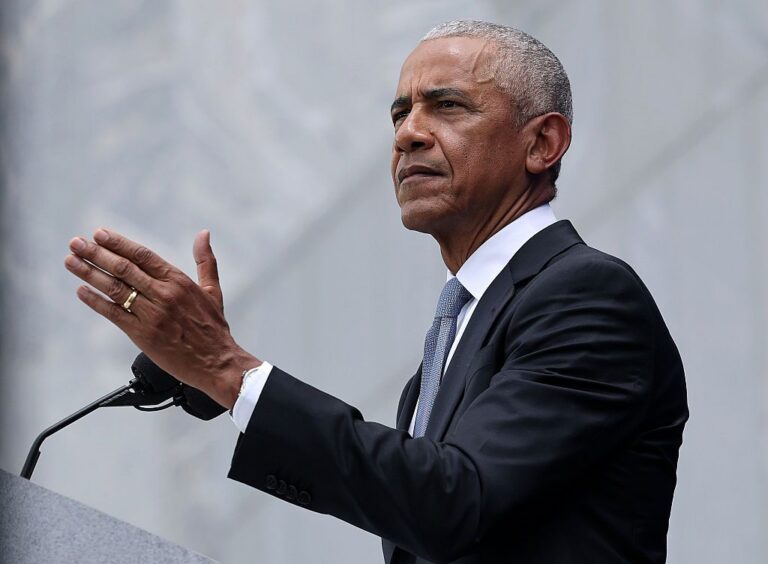
Obama urged Democrats to make AI a central agenda and build a clear public framework, as industry leaders debate independent safety evaluations and guardrails.
Anthropic CEO Amodei lays out plan to ‘pace the frontier’

Anthropic CEO Dario Amodei outlines three strategies to slow AI development, including embedded evaluators, democratic-country coordination, and global talks, while committing Anthropic to the first.