iFeeling Daily
Daily curated AI insights you can't miss.
Open Models Thrive on OpenRouter, Capturing 69% of Developer API Traffic
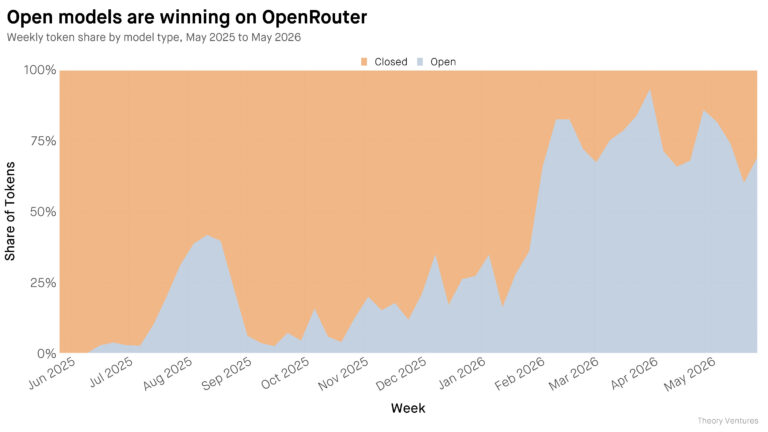
OpenRouter data shows open-weight models now command 69.1% of token volume among competitive API options, with new model launches repeatedly resetting usage plateaus. This signals a structural shift in developer willingness to adopt open models for production traffic, driven by intense competition and daily price-performance comparisons.
Experimenting with GKE Multi-cluster Inference Gateway and TPU Failover
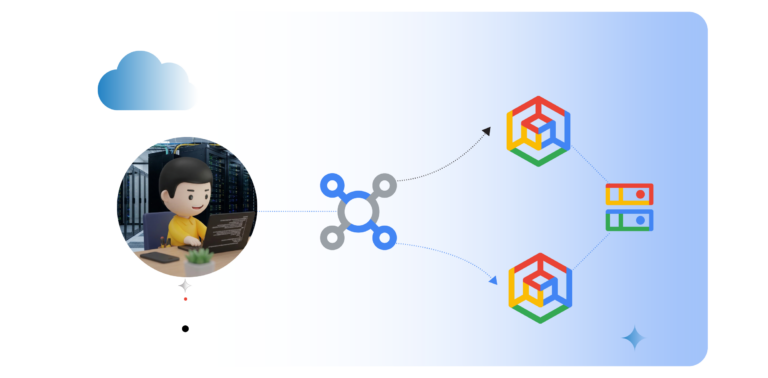
A hands-on walkthrough of deploying Gemma 3 across two GKE clusters with TPU v6e chips, using managed DRANET for accelerator networking and a multi-cluster Inference Gateway for cross-region failover. Covers the full stack from VPC setup to failover verification in production-similar conditions.
How Trustpilot built real-time data enrichment with fine-tuned Gemma

Trustpilot built a real-time streaming pipeline for review intelligence by fine-tuning Gemma-2-9b models, achieving frontier-model quality on fixed-cost infrastructure. Their approach decouples business logic from LLM inference and uses teacher model consensus for training data, but teams should plan for GPU scarcity and private networking headaches.
A concise summary of the article in a single title
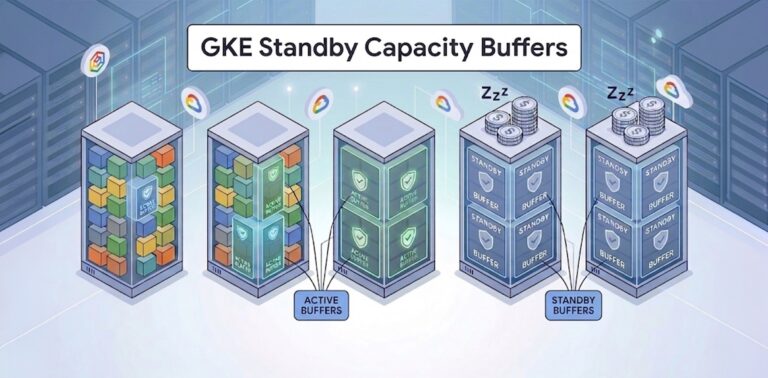
Application owners and platform engineers have long faced a tradeoff between over-provisioning for fast startups and enduring cold starts to save costs. The article exposes this tension and introduces **GKE standby buffers** as a solution that bridges the gap, offering near-immediate pod scheduling with negligible cost overhead. The traditional workarounds like balloon pods or lowering HPA thresholds are clunky and expensive.
The AI Skepticism Map: Where Short Sellers Are Betting Against AI
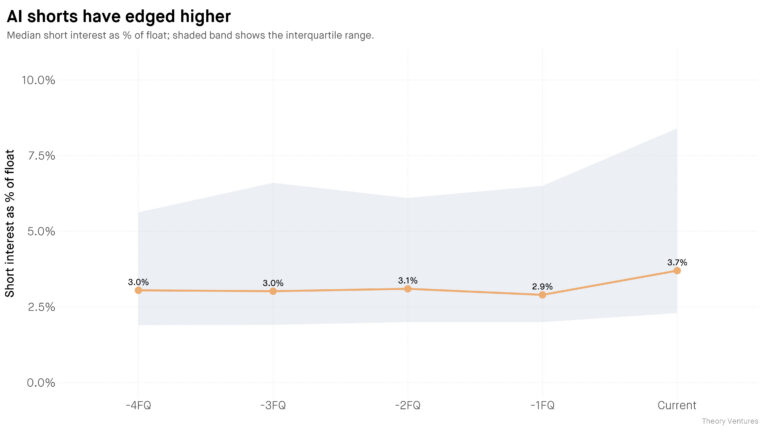
Short interest data shows AI skepticism is concentrated in small-cap companies and GPU resellers, while hyperscalers and NVIDIA remain lightly shorted. Memory makers are surging as ecosystem leaders flag storage as the new limiting factor.
NVIDIA Cosmos 3: Open Omni-Model for Physical AI Reasoning and Action
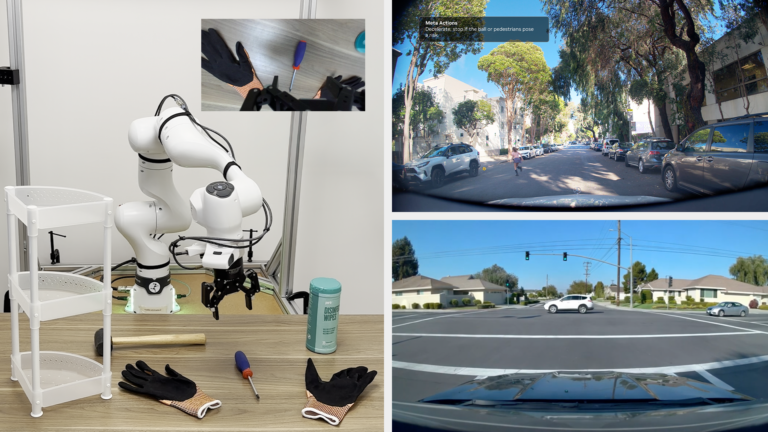
NVIDIA's Cosmos 3 unifies world generation, physical reasoning, and action generation into a single open omni-model, eliminating the need to juggle separate models for robotics, autonomous vehicles, and smart space simulations.
Using Connected Sheets to Analyze BigQuery Data Without SQL
Organizations store their single source of truth in **BigQuery**, but the last mile of ad-hoc analysis, modeling, and reporting happens in **Google Sheets**. Exporting data as CSVs creates silos, version control problems, and governance risks. Business users often wait days or weeks for simple reports because they lack direct, secure access to live warehouse data without knowing SQL or database concepts.
Profiling PyTorch: Reading torch.profiler Traces from Scratch
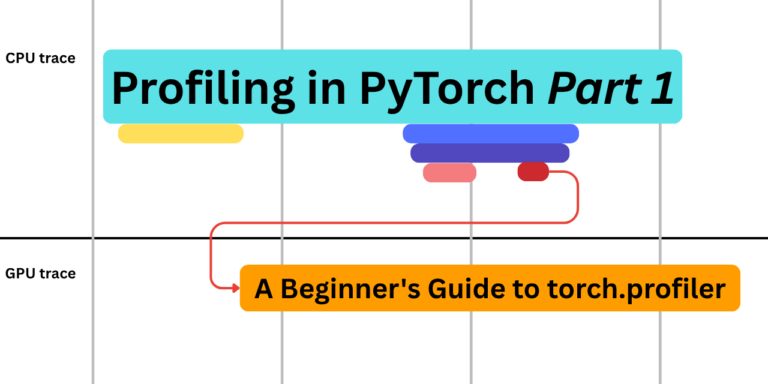
A question-led walkthrough of reading PyTorch profiler traces, starting from the simplest possible operation and working up to torch.compile. The authors expose common pitfalls like cold-start overhead, hidden memcpy operations, and why torch.compile can actually increase CPU time for small ops.
Google’s Dataflow innovations for large-scale AI pipelines
Google describes how its internal Flume platform, which powers Gemini and Waymo, feeds into Dataflow for customers like Spotify, Etsy, and Moloco. Key innovations include liquid sharding for straggler mitigation, heterogeneous worker pools for TPU/CPU co-scheduling, and duty-cycle enforcement that scales down idle TPU workers.