Apple Intelligence Approved in China via Alibaba and Baidu Partnerships
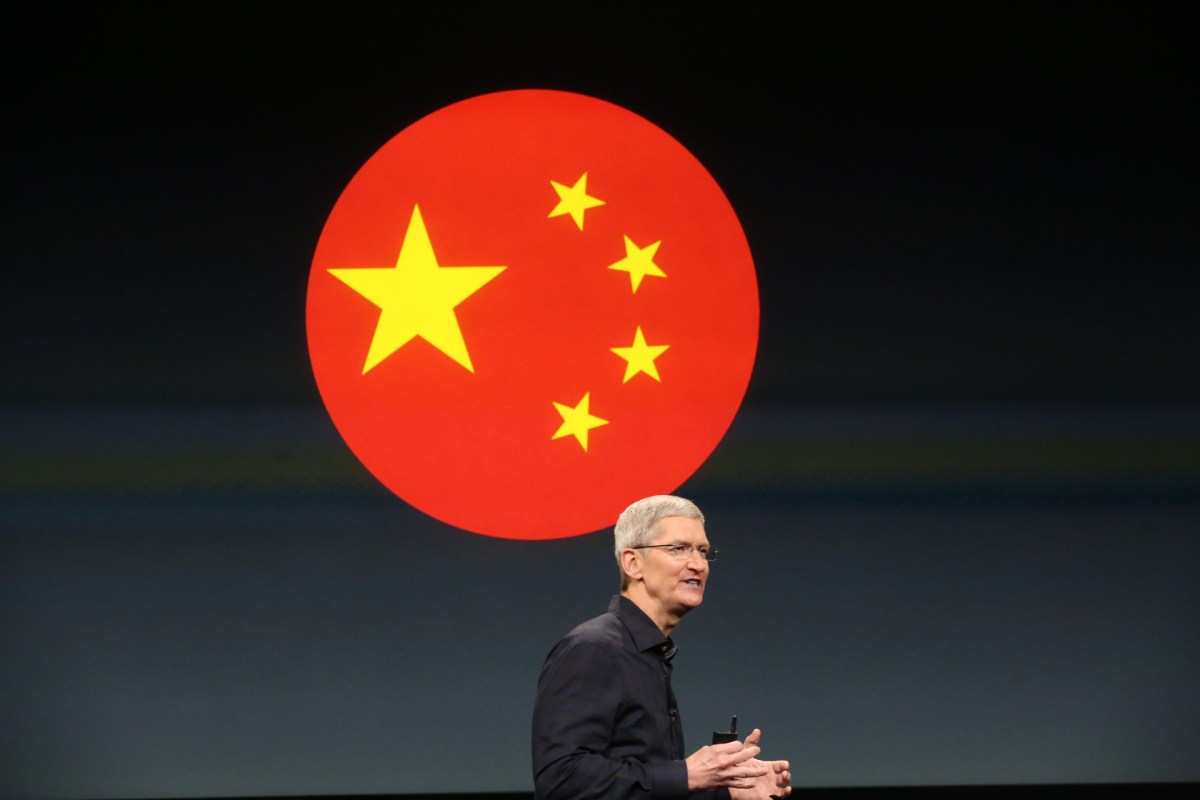
Apple has finally secured regulatory approval to launch Apple Intelligence in China, but the path required a delicate compromise: integrating third-party AI models from Alibaba and Baidu rather than relying solely on Apple’s own technology. The core tension here is that Apple’s tightly controlled, privacy-focused AI stack couldn’t get past China’s internet content regulator on its own, forcing the company to partner with local giants that understand compliance. This wasn’t a simple port—Apple had to adapt its generative AI features, including text and image understanding and generation, to run on infrastructure operated by Chinese firms. The delay, stretching since Apple Intelligence debuted in 2024, underscores how geopolitical and regulatory friction can stall even the most polished product launches. Apple’s $20.5 billion in Greater China sales in Q2—up 28% year-over-year—makes this approval essential, not optional.
Concretely, the partnerships split the AI workload in an interesting way. Alibaba‘s Qwen model will be integrated into iOS, iPadOS, macOS, and visionOS for core capabilities like text and image understanding and generation. Simultaneously, a Baidu spokesperson confirmed to TechCrunch that Baidu is also developing Apple Intelligence features for Chinese users, suggesting Apple is hedging its bets across multiple model providers. Reports additionally hint at exploratory integrations with DeepSeek and ByteDance, which would give Apple a multi-model redundancy layer. This multi-vendor strategy is pragmatic: it lets Apple route around any single provider’s censorship or compliance hiccups while keeping each partner incentivized to perform. The approval from the Cyberspace Administration of China, reported by Reuters, was the bottleneck that finally broke after these deals were formalized.
The takeaway for engineers building globally distributed AI products is that model deployment is as much a regulatory integration problem as a technical one. Apple’s approach—partnering with multiple local AI providers instead of shipping its own model globally—might feel inelegant, but it’s the realistic path to serving users in markets with sovereign AI requirements. For builders, this means your system architecture should treat model backends as swappable service endpoints from day one, not as tightly coupled inference layers. Also note the timing: Apple’s approval came nine months after rumors of the Alibaba deal surfaced, meaning regulatory cycles are measured in quarters, not sprints. If your product targets China, expect to need at least one local model partner who understands content compliance, and be prepared for your feature parity to lag behind global releases.