Which Tokens Do Hybrid Models Predict Better? A Token-Level Comparison
Standard benchmarks show hybrid language models can match or beat transformers, but those aggregate scores obscure which tokens each architecture handles better. This study from the Olmo team directly compares their own 7B transformer (Olmo 3) and hybrid (Olmo Hybrid) — matched on data, tokenizer, and training — to isolate token-level prediction differences. The core finding is that the hybrid’s advantage is real but uneven: it predicts content words like nouns, verbs, and adjectives significantly better than the transformer, but its edge nearly disappears on tokens that simply repeat earlier input or close brackets. Overall loss masks these fine-grained architectural tradeoffs.
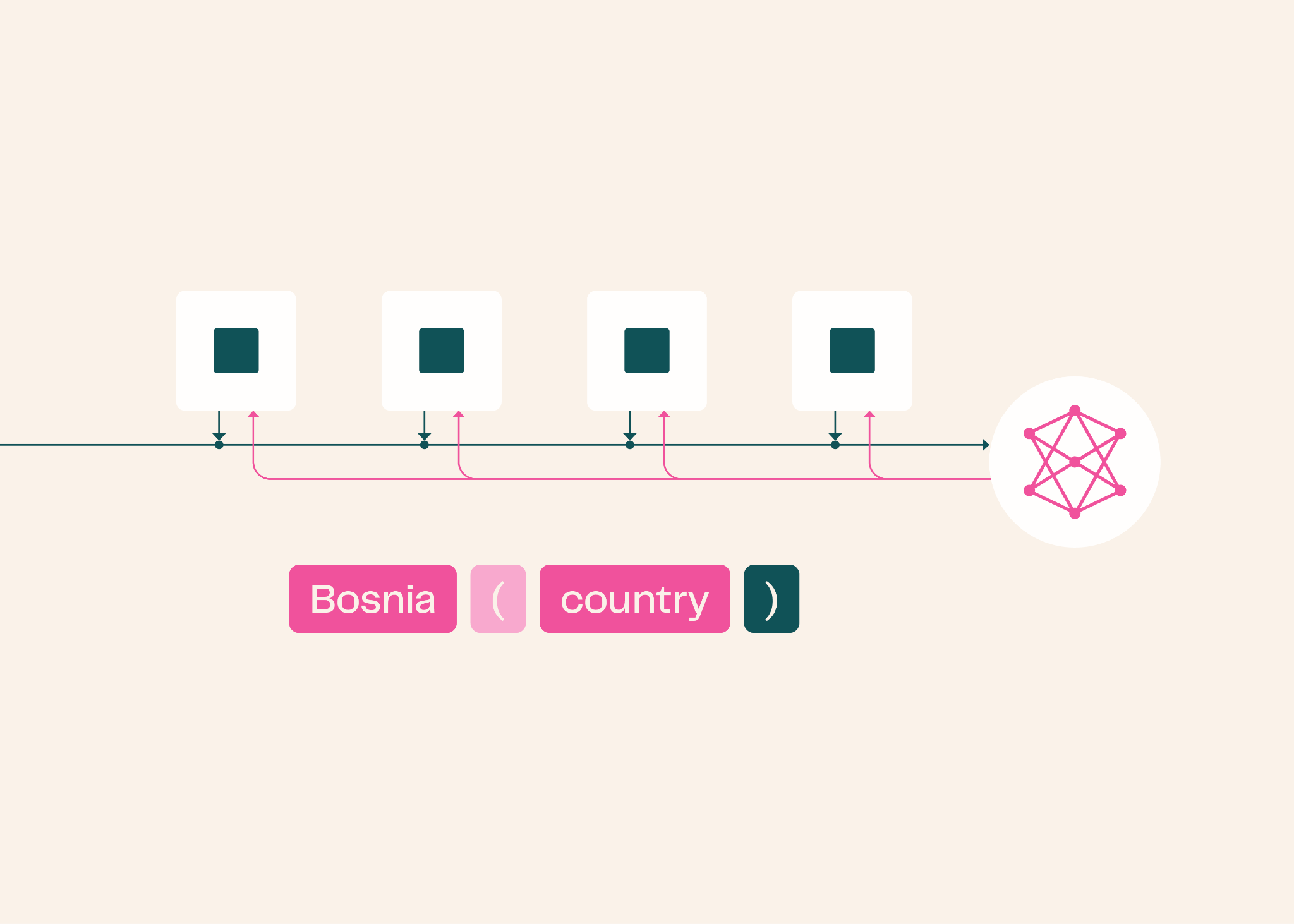
To pin down these differences, the authors fed both models identical passages of prose, code, and markup, then computed the loss gap between hybrid and transformer per token. They categorized tokens by linguistic function and controlled for factors like token frequency and repetition using regression. The hybrid showed a consistent advantage on meaning-bearing tokens (loss gap ~0.04) and a much smaller gap on function words (~0.02). Two specific contexts erased the gap entirely: closing brackets (where attention alone suffices) and verbatim repetitions of earlier n-grams (where copying is trivial for attention but harder for recurrent layers). Extending the analysis to 1B-parameter models during pretraining, they introduced filtered token losses — evaluating only on specific token types — which revealed that pure recurrent models fall behind on copy tasks but excel on content-word prediction, a pattern invisible under overall loss.
For builders designing or evaluating hybrid architectures, the lesson is that overall loss is too blunt a metric. Token-level filtered losses surface meaningful architectural differences early in training, letting researchers see whether a model’s advantage comes from better state tracking (recurrent layers) or better recall (attention layers). The work suggests that the best hybrid designs will come from understanding which tokens each component handles well, and that evaluations should move beyond single-number benchmarks to capture these granular strengths and weaknesses. This approach offers a practical diagnostic for any team comparing architecture choices in language model pretraining.