Vercel CEO: The fight is to split models from agents, not couple them
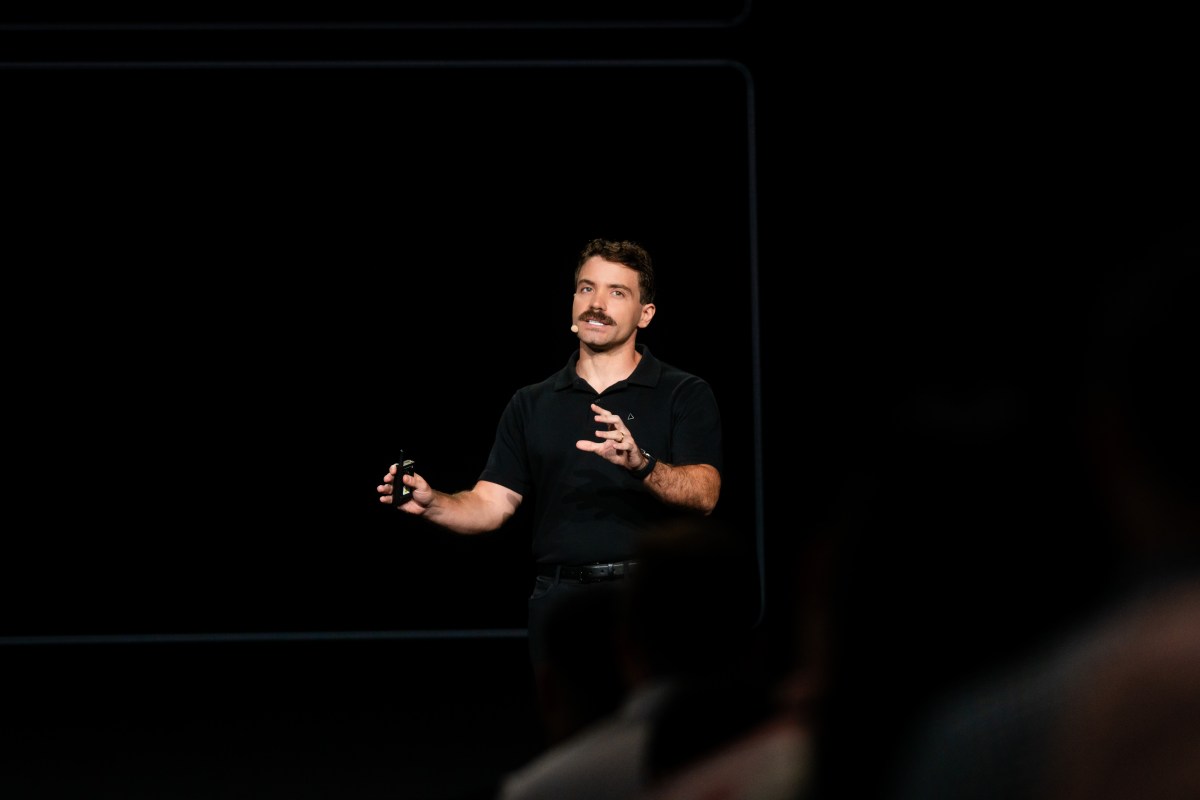
Vercel CEO Guillermo Rauch argues that the industry is moving from a prototyping phase, where everyone rushed to build agents with one lab partner, into a production phase defined by hard operational problems. The two killer apps he identifies are coding agents—already driving massive token volumes—and internal corporate agents, which face a bottleneck not in intelligence but in secure, auditable data access. Agents force companies to open up their data silos, which directly challenges the business model of legacy SaaS giants that built kingdoms by trapping data. Rauch observes that teams are now optimizing for price/performance rather than hype, with Gemini and open models like DeepSeek and GLM-5.2 gaining traction because they offer better economics for real workloads.
To solve the security and governance challenges of agents in production, Vercel built Eve, a framework where agents are defined in natural language, and Vercel Sandbox, which cages the agent so it can freely express intelligence but cannot leak or train on proprietary data without policy controls. The sandbox addresses a concrete risk Rauch highlights: a developer installing a coding IDE like Devin or Cursor on a sensitive codebase could inadvertently upload decades of proprietary aerospace code to the cloud for training. Eve and the sandbox together give teams a way to apply access control, audit trails, and data exfiltration policies to agents without crippling their autonomy.
The decisive takeaway is that the industry is now choosing between coupled models (where model and agent come from one provider, like OpenAI’s hosted tools) and decoupled stacks where each component—model, gateway, sandbox, data platform—is plug-and-play. Rauch positions Vercel as the AWS of this generation, betting on open protocols and disaggregation over vendor lock-in. For a builder, the core tension is clear: picking a single lab partner for everything looks increasingly naive when production teams need fine-grained cost, latency, and security control across models from multiple providers. Observing which models and tools win on price/performance in real production pipelines, not just demos, is the signal worth watching.