Ultrafast: OpenAI’s Codex Mode Cuts Incident Investigation from Hours to Minutes
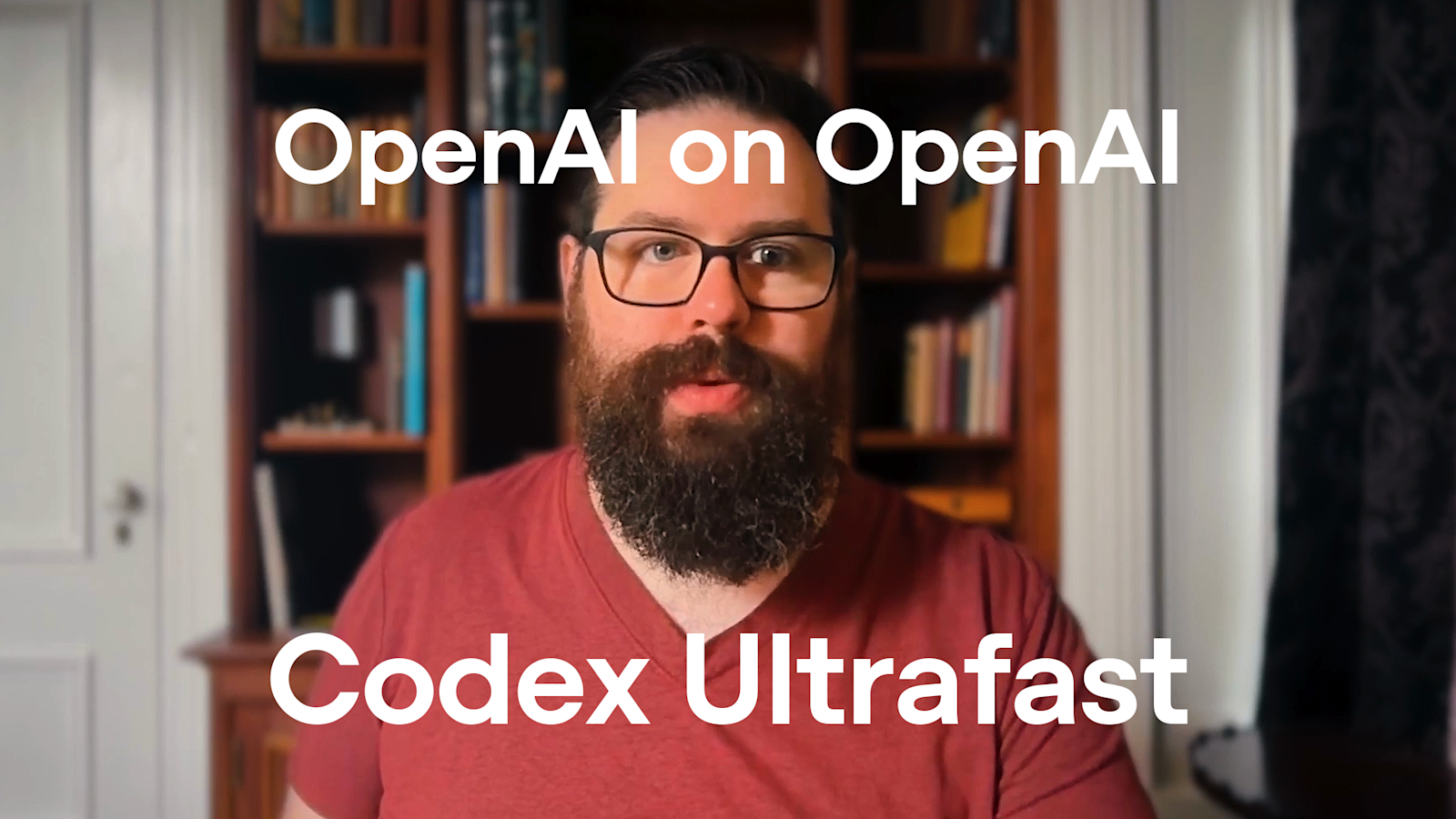
Ultrafast is a high-speed mode in OpenAI‘s Codex, and internally it has become the default for incident response at OpenAI. The article is part of a series sharing internal examples of how OpenAI uses its own technology and APIs, presented as illustrative rather than as a product announcement.
Aaron Friel, Member of the Technical Staff, typically runs point on incidents: he creates a Slack channel for incident response and points Codex at the problem, asking it to monitor, investigate, and answer questions as they come in. His framing is that incidents have many hops where things could go wrong, and the chief job is finding the right needle in the right haystack. With Ultrafast, he can search all of those haystacks at the same time and respond much faster.
AJ Trbojevic, a Datacenter Security Architect, says security investigations used to take an hour or two to pull structured and unstructured data together, normalize it, and provide context for a decision. That now happens in 10 to 15 minutes, and at times near real time. Adam Perry and Sayan Sisodiya, who work on the core agent team building the code that lets Codex take actions, run commands, and use tools, report that Ultrafast changed how they operate during security incidents. Previously Adam would ask Codex to look into something and then investigate himself in parallel because waiting was too slow; now Codex is fast enough that he can stay focused instead of splitting attention. Sayan uses Codex beyond logs to search Slack for references to suspect changes or similar symptoms elsewhere.
Jeff Niu, another Member of the Technical Staff, says that if finding an answer with AI takes more than 30 seconds, he will check Slack or chat with a coworker; most of his work with Ultrafast is now under that threshold. The real-time conversation helps him stay focused instead of losing his train of thought while waiting. He also says Ultrafast makes large refactors more appealing because reworking existing code takes less time: technical debt is easier to pay down, and a refactor that used to cost a lot happens almost instantly.
The article also covers use beyond incidents. Adam keeps a running Codex thread he calls his chief of staff; each morning it summarizes his meetings and missed messages, and because the data is already fetched, follow-up questions in the same conversation do not wait on more retrieval. Sayan uses Codex for tedious browser work such as filling out forms, which he previously avoided because it was too slow; with the latest models’ improvements in computer use, he is comfortable letting Codex click through the browser because it is fast enough that he is not losing time by doing it himself.
The reported takeaway is that the shorter wait changes what engineers are willing to take on, from put-off refactors to routine tasks worth delegating. The specific time reductions are direct claims from the quoted engineers, and improvements are attributed to Ultrafast mode plus recent model improvements in computer use; the article does not provide benchmark data or external evaluations.