Sam Altman’s space data center trash talk aligns with expert consensus
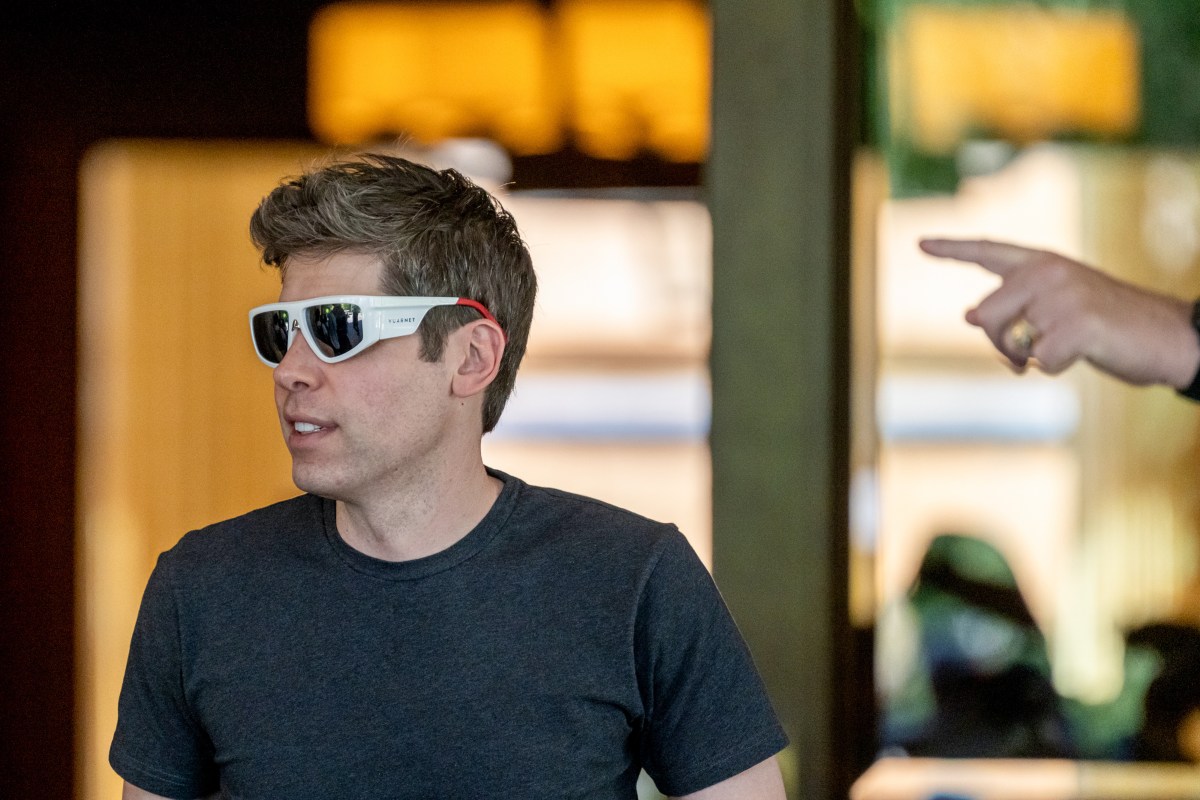
Sam Altman and Elon Musk traded public jabs over the weekend, but beneath the social media theater, Altman’s retort landed on a conclusion that most industry experts already share: space data centers are not a serious near-term business. Musk has been selling public-market investors on a vision where SpaceX launches orbital data centers to run AI inference at unprecedented scale, a narrative that underpins the company’s massive valuation. But when you talk to entrepreneurs running other space data center startups, engineers inside Google‘s orbital compute project, or independent experts who have run the numbers, the answer is consistent and sobering. The physics and economics simply are not there yet: we need radically cheaper rockets and the ability to mass-produce high-powered satellites before space data centers can make a material dent in the AI compute landscape.
The concrete path to viability hinges entirely on Starship, SpaceX‘s next-generation rocket, achieving rapid, fully reusable flight. Musk’s predictable answer is that Starship will get there, with its 13th test flight expected as soon as mid-July. But even a successful recovery of both stages on that flight does not close the gap; operational reusable flights are still years away, and SpaceX‘s launch manifest is already packed with commitments to NASA and Starlink deployments. More critically, SpaceX conceded during its own IPO road show that Starship may not be fully reusable in the near-term, meaning each launch would discard the second stage—a reality that destroys the economics of deploying orbital data centers at scale. Musk’s retort that “we start flying them next year” is technically plausible for a single satellite, but it ignores the far harder question of when SpaceX can launch and manufacture them en masse, which is likely a problem for the 2030s.
For a serious builder or technical reader, the takeaway is a sharp lesson in separating genuine engineering progress from market narrative. The gap between launching a single orbital compute node next year and building an economically viable, scaled-out space data center business is enormous—defined not by software or model architecture, but by fundamental aerospace constraints like launch frequency, per-kilogram cost, and satellite production throughput. Even if Starship succeeds technically, the business case remains fragile if full reusability is deferred. This is a reminder that infrastructure bets in hardtech domains obey different timelines than AI software. If you are an engineer evaluating where to place compute resources for inference workloads, do not plan your architecture around orbital capacity arriving this decade. The real opportunity in space compute is not a near-term product; it is a long-term physics problem that needs solving first.