Runware wants to mass-produce modular AI data centers like cars
Runware, an AI infrastructure startup, is pushing modular data centers toward automotive-style mass production. Months after unveiling the Sonic Inference Pod — a factory-built data center shipped ready to install — it told TechCrunch it wants to assemble these pods on a production line. Companies like Crusoe and Schneider Electric also sell prefabricated pods, but Runware says it can ship faster. Co-founder and CEO Flaviu Radulescu said production at a Romania-based factory would scale to 30 megawatts of data center capacity per day by 2028, nearly 1 gigawatt per month, roughly the amount the entire U.S. was expected to add in data center power this year. Nvidia announced Vera Rubin AI factories and the DSX POD this year, but Runware says the difference is that it has actually built a factory rather than just designed infrastructure for others to build one.
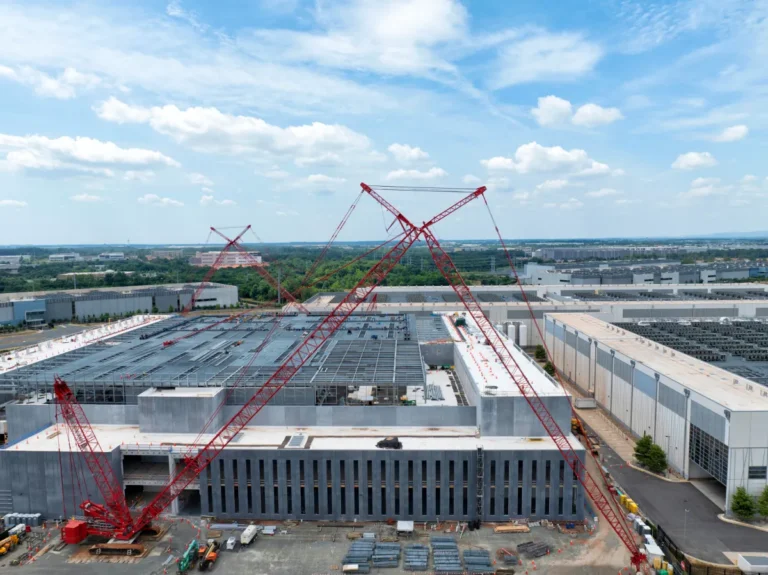
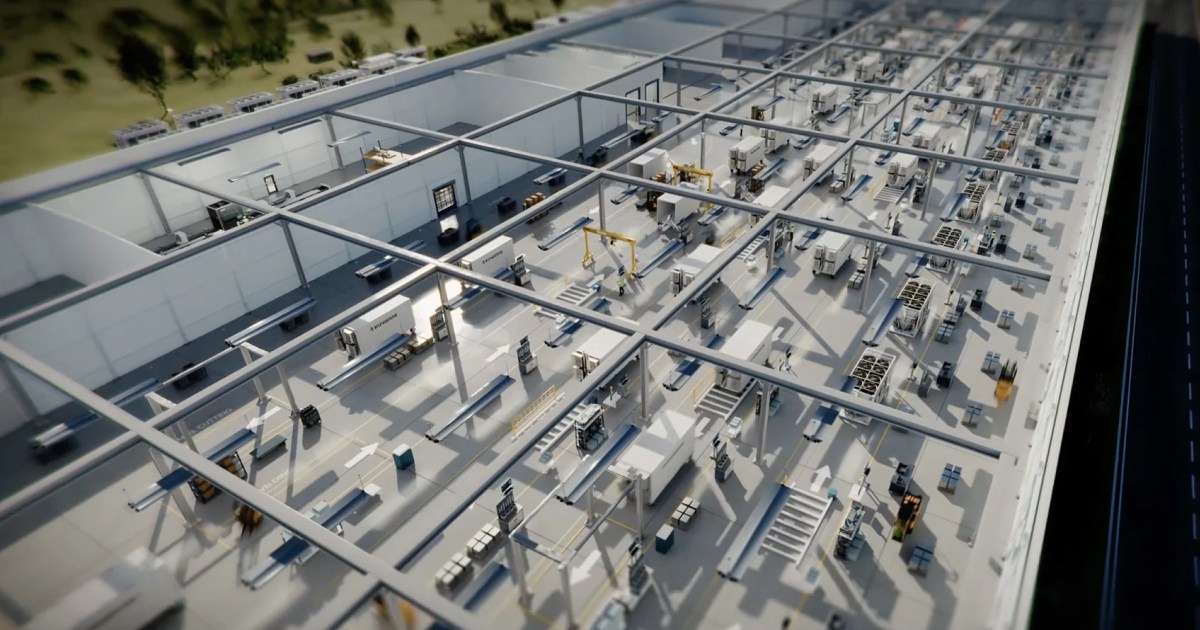
Runware says it already has two factories: one used for years to build pods, and a second started earlier this year that should go online early next year. Pods are assembled on a line, and customers can provide their own site or have Runware find one. Runware aims to bring a pod online within 48 hours of installation and set-up time, not build time; build time, once three weeks, is expected to drop to one day. Customers can rent compute from Runware or supply their own GPUs and pay a monthly fee for pods and operations, with power and internet billed separately. Pods are standard by design but configurable for customer requirements and the latest GPU chips.
Radulescu said pod delivery times shorter than GPU lead times give Runware room to adapt infrastructure to ordered hardware, and an in-house hardware team can design, build, and test components for new GPU generations. The pods use closed-loop liquid cooling with air-cooled radiators, need only power and an internet connection, and run “completely silent up to temperatures of 86 degrees Fahrenheit.” Runware says it is working with power providers on a site pipeline covering 397 megawatts, expandable to 1.2 gigawatts, and is deploying on sites much smaller than hyperscalers use, typically with power already available. It aims for renewables as the main energy source.
Radulescu contrasted Runware with the electric-vehicle startup Arrival, once valued at over $13 billion, which struggled to mass-produce cost-effectively. Runware has raised more than $60 million, including a $50 million Series A last December, and plans a Series B. It claims $1 billion in committed interest for Sonic pods since offering them externally a month ago, representing over 20 megawatts it is now working to deliver. Runware designs and builds its own cooling and other systems with standard components, though pumps and fans come from Germany and networking still depends on Nvidia. Right now these are all plans, and execution is the test: the factory will need people, inventory, supply chain logistics, and money. Radulescu said a plant manager from the automotive industry has been brought in to help with execution.
Runware plans to bring the new factory online early next year, then expand to the U.S. and other regions. Radulescu argued modular systems will become “the standard for large AI deployment,” allowing customers to plan a hyperscale data center around factory-built pods and have it working in months instead of years.