Ollama raises $65M, grows to 8.9M developers with Docker-like AI tool strategy
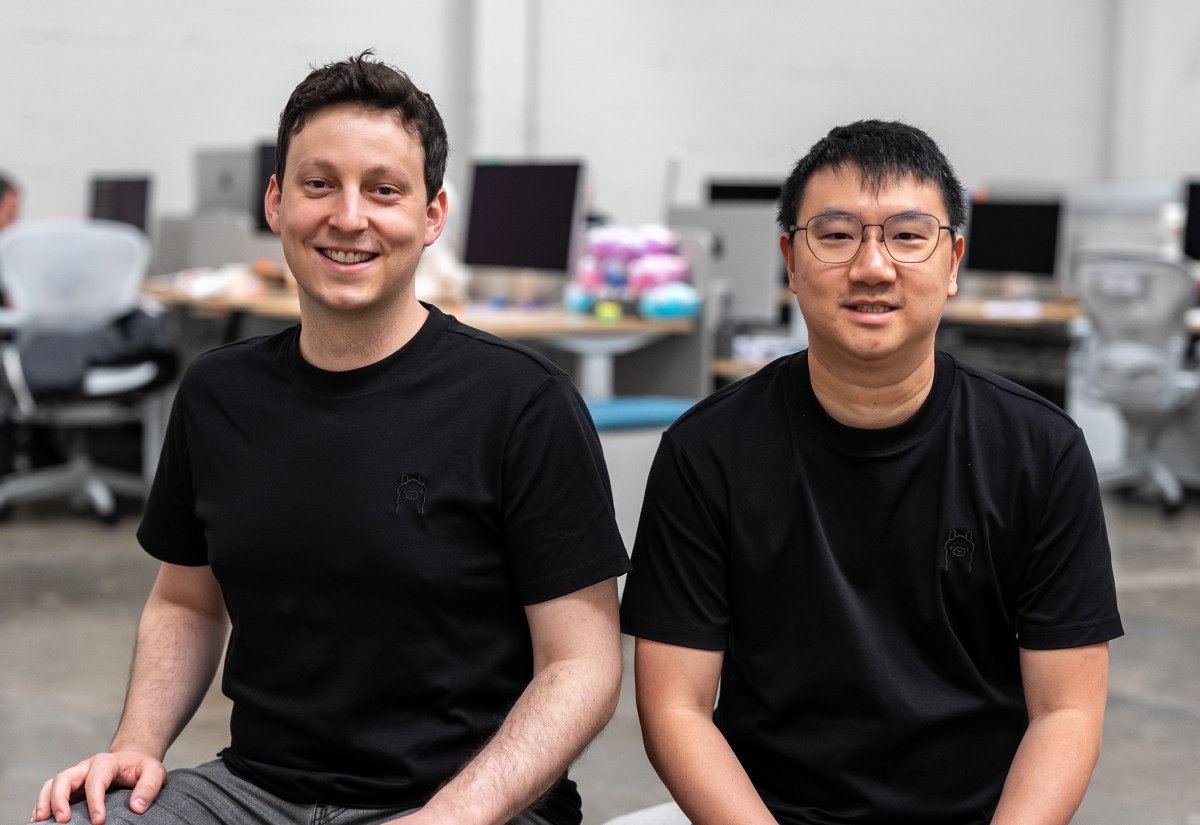
Ollama, the open source tool for running AI models locally, has raised a $65 million Series B led by Theory Ventures, following a $15 million Series A from Benchmark. The company now serves 8.9 million monthly developers and sits inside 85% of the Fortune 500 — all with just 14 employees. The funding round reflects a growing conviction that enterprises will shift toward open-weight models to control inference costs, and that the infrastructure to run those models needs to be as frictionless as Docker made cloud deployment. Founder and CEO Jeff Morgan, who previously built Docker Desktop, positions Ollama as the Docker of AI: a tool that abstracts away hardware complexity so developers can run models on their own machines in minutes, then seamlessly scale to hosted compute when models grow too large.
Ollama‘s business model charges by GPU time rather than token counts, which aligns with how developers actually consume compute. Its neocloud service offers tiered subscriptions from free to $100/month, hosting state-of-the-art open models that are too big for a laptop. The inflection point came around January 2024 when OpenClaw-style agentic coding workflows made open models capable of real productivity. Morgan and board member Peter Fenton explicitly reject the false binary of open versus closed models, arguing that every company with large inference bills has a ‘vital existential project’ to move toward open weights. That thesis is now attracting not just Ollama but a whole ecosystem of open source inference companies like Inferact (vLLM) and RadixArk (SGLang).
For builders, Ollama represents a case study in how open source AI tools can evolve into sustainable businesses without betraying their community. When Ollama launched its cloud tier a year ago, some fans cried ‘enshittification’ — but the core desktop product remains free and unchanged. The real tension is not open versus closed, but how to monetize the infrastructure layer that sits between developers and increasingly capable open models. Ollama‘s success suggests that if you make the local-to-cloud transition frictionless, developers will pay for the compute, not the software. The takeaway: build the best developer experience for running models locally, and the cloud business will follow naturally.