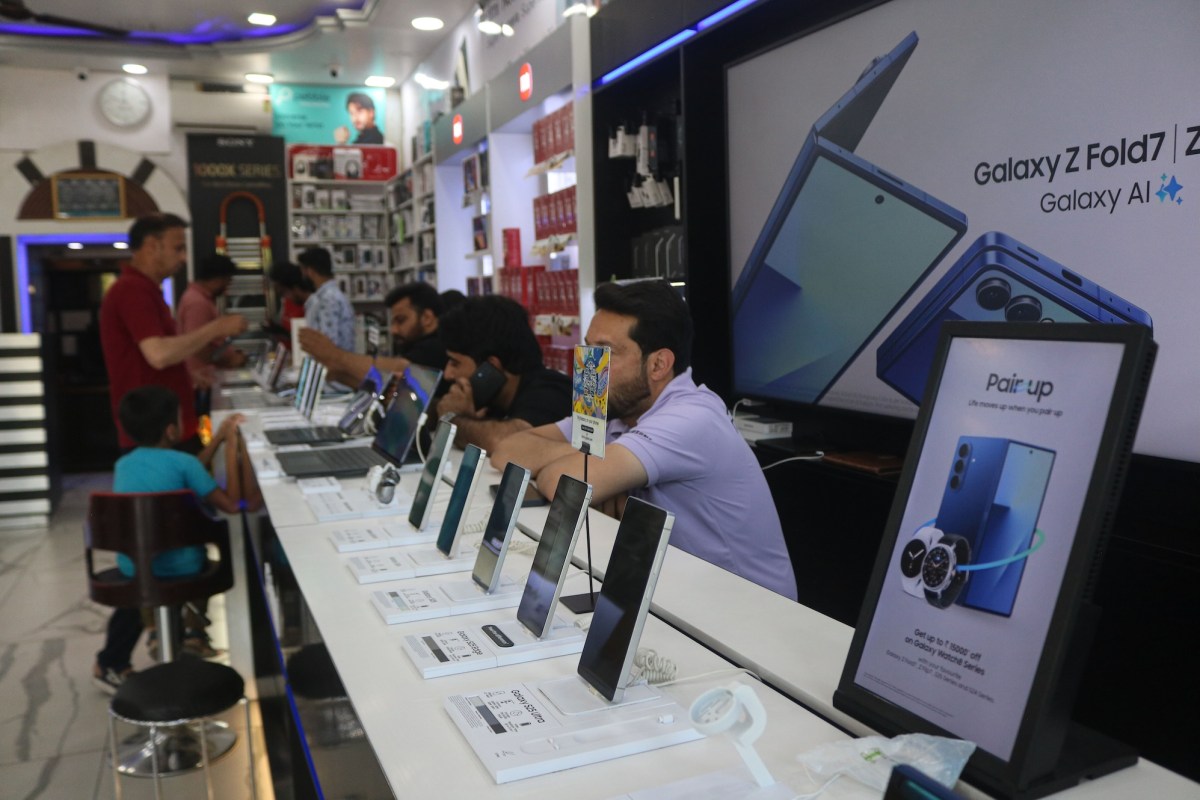
AI memory demand reshapes India’s smartphone market
The article exposes a real tension: the AI boom’s insatiable demand for high-bandwidth memory (HBM) used in data center accelerators is pulling production capacity away from standard DRAM and NAND chips. This shift, driven by far higher profit margins per wafer for HBM, has left less supply for consumer electronics, causing smartphone prices to rise. India, the world’s second-largest smartphone market, is the clearest evidence of the disruption—shipments fell 10% year-over-year in Q2 2024, the steepest June-quarter decline in six years, because 60% of its market sits below the $210 price point where memory cost increases are hardest to absorb.
Memory manufacturers like Samsung, SK Hynix, and Micron are reallocating fab capacity to HBM, reducing standard memory output. This has pushed up handset prices by 4% to 68% depending on the model, according to Counterpoint Research. The impact is uneven: premium brands like Samsung (which grew 2% in India) and Apple are better insulated because their buyers are less price-sensitive and use financing. Budget brands, especially Chinese ones, are suffering—their combined market share hit a second-quarter low since 2020. OnePlus recently announced it would stop launching products in Europe and North America, retreating to markets where it can still turn a profit, a pattern likely to repeat as margins thin. Analysts from IDC expect the memory shortage and elevated prices to persist until at least 2027.
For serious builders and technical readers, the takeaway is that the AI infrastructure buildout has tangible, non-obvious downstream effects on consumer electronics supply chains. The shortage is supply-side and structural, driven by profit margins, not demand destruction. Product-minded engineers should expect higher component costs and longer device replacement cycles—India‘s upgrade cycle has already stretched from 3.5 to 4 years. For investors and strategists, India‘s price-sensitive market is a bellwether: if budget phones become uneconomical, the entire volume-driven model of emerging-market smartphone sales faces headwinds. The AI economy isn’t just about GPUs and data centers—it’s reshaping the silicon that powers billions of phones.