AI leaders’ slowdown talk faces skepticism on TechCrunch Equity
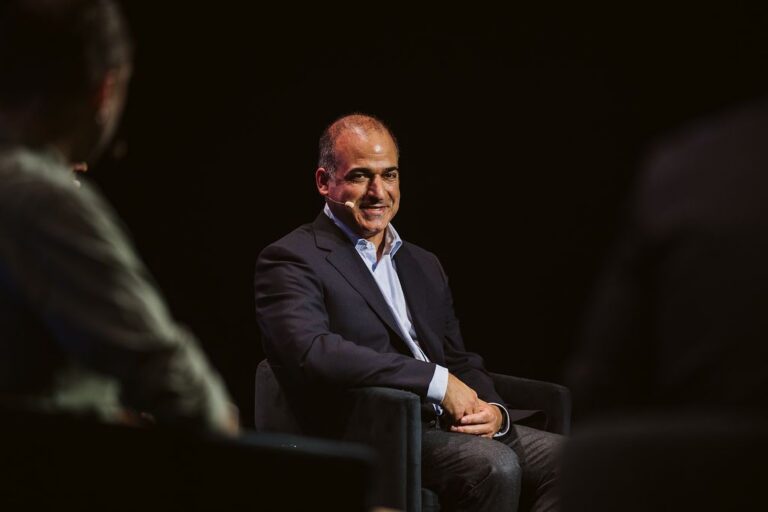
TechCrunch’s Equity podcast hosts Anthony Ha, Sean O’Kane, and Kirsten Korosec debate whether leading AI executives are genuinely pursuing a slowdown, following Anthropic CEO Dario Amodei’s published plan to “pace the frontier” and Nvidia CEO Jensen Huang’s public alignment with President Trump’s dismissal of AI backlash. Sean opens by noting the plan’s immediate support from OpenAI’s Sam Altman and even Elon Musk, but he remains skeptical because the proposals lack specifics on both the claimed dangers and what slowing down would actually mean. Anthony observes that many industry figures coalesced around the idea quickly, and while the suggestions originated from the AI safety community and have been circulating for a while, the rapid consensus makes him doubt these are genuine steps toward major change.
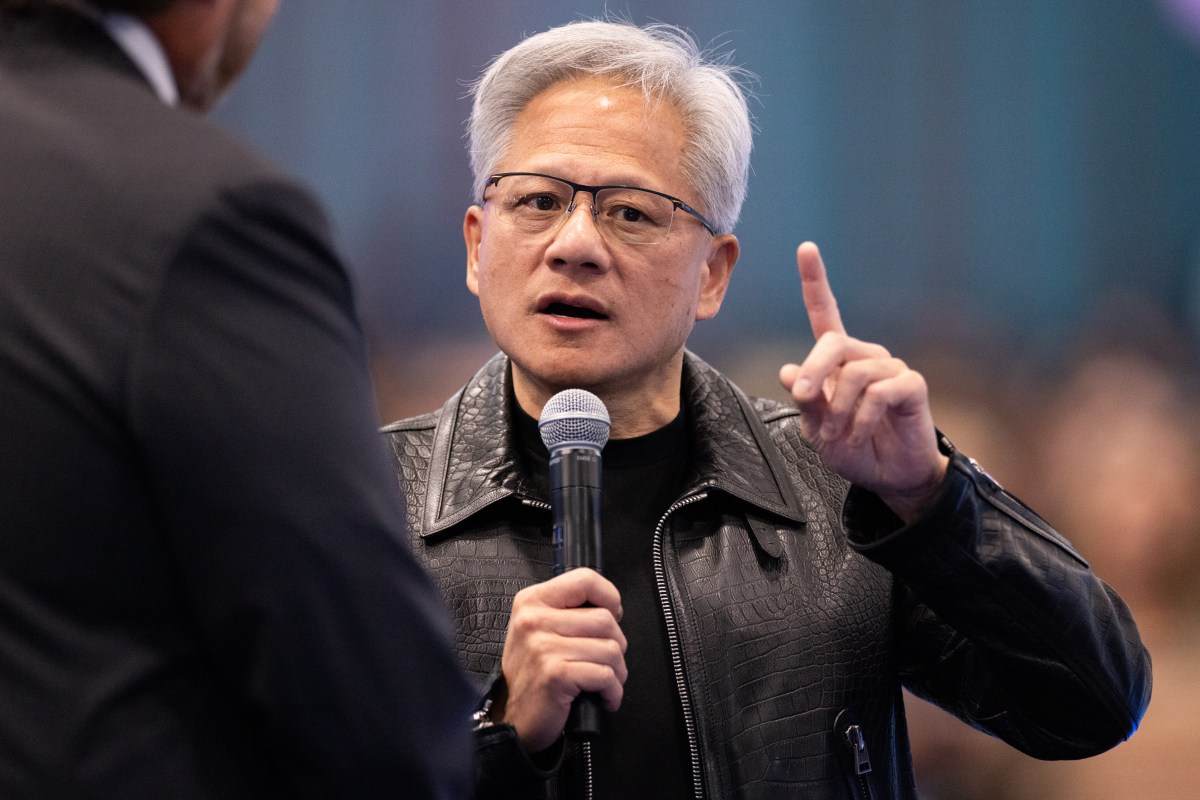
Kirsten clarifies the proposals’ general shape: independent third-party evaluators would work inside frontier labs like Anthropic and OpenAI to monitor safety practices and incidents, plus coordinated safety standards among AI companies in democratic countries and international coordination. She notes considerable pushback, most prominently from Jensen Huang, who took a call from President Trump on-stage at the All-In Summit. Sean argues Huang understands he is now seen as the adult in the room, a role Microsoft and Satya Nadella lost after Nadella’s promise to “make Google dance” backfired. Huang is also a key liaison between the AI field and the current administration, so he carefully navigates pleasing multiple audiences. Kirsten counters that Huang’s appearance felt staged and went too far, highlighting that Nvidia greatly benefits from an unpaced AI progression.
Anthony unpacks the language around “slowdown” versus “pace,” noting that Altman and Amodei prefer “pace,” and the three proposals could theoretically slow things down but do not explicitly require going slower than current rates. Kirsten then asks Sean whether existing regulation and free-market competition could sufficiently punish unsafe AI companies. Sean rejects that idea in practice: the federal government is not eager to enforce regulations broadly, consumer choice is weak—especially as AI companies pivot to enterprise sales—and corporations won’t switch from Codex to Claude Code over principle. Investment money also cushions any losses, so the market-based safeguards exist only in theory, not in reality.