ScrollEd turns textbooks into swipeable vertical feeds
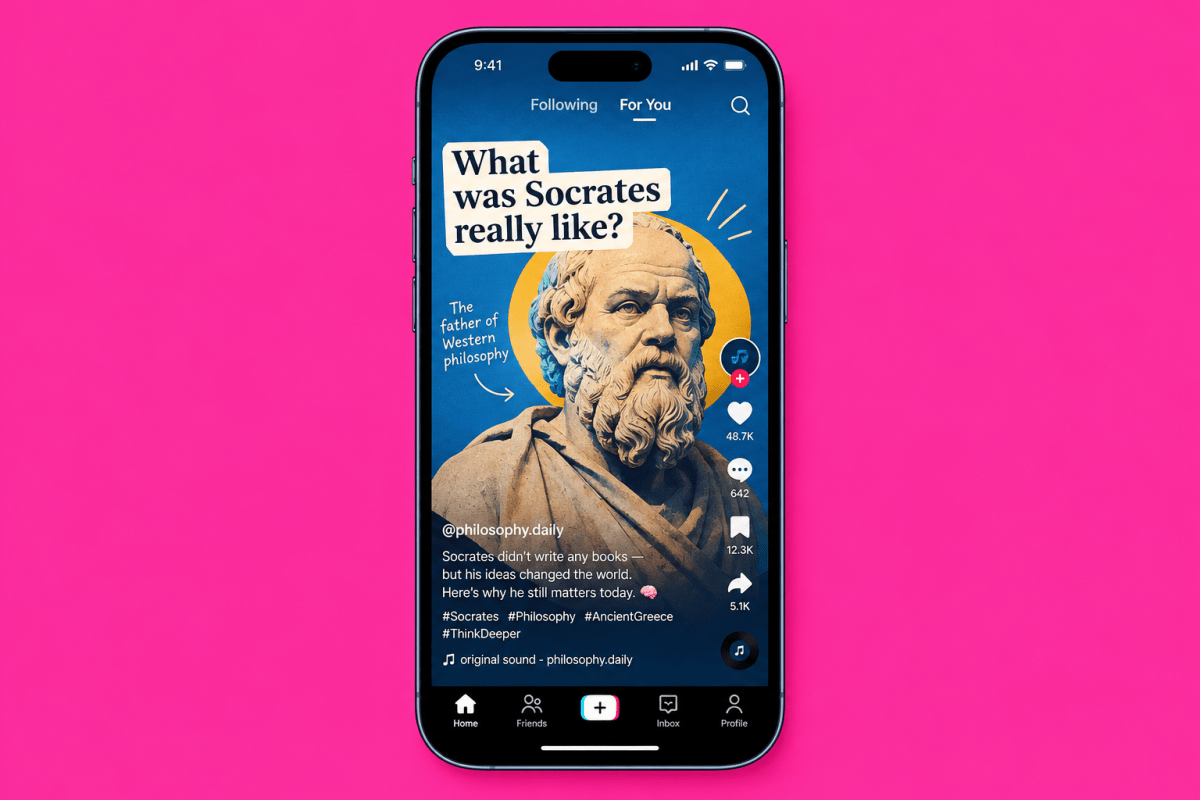
ScrollEd is a Palo Alto startup offering a simple-sounding but unusual solution to declining attention spans: instead of trying to get students to stop scrolling, convert the material they need to study into a scrollable vertical feed. The company, founded this year by Utsav Gupta and Rebecca Neff, is pitching in the TechCrunch Disrupt Startup Battlefield 200 competition with an app that turns any text file — including dry PDFs and textbooks — into a format that feels like Instagram Reels or TikTok.
The core mechanism is straightforward. Users upload text content, and the app renders it as AI-generated video, audio, text, or interactive quizzes. Swiping up surfaces a new topic; swiping sideways lets the user go deeper into the current topic, with a quiz waiting at the end of each deep-dive path. Gupta frames this as meeting students where they already are: younger users have adopted short-form, vertical-feed-only consumption patterns, which creates obvious tension for any media that requires sustained depth. The deliberate design choice, he notes, is that going deeper is made as easy as moving to the next video rather than forcing users to exit the app to find more explanation.
The founders have personal motivation behind the product. Both Gupta, who studies AI and human purpose at Stanford, and Neff, who studies computer science at the University of Pennsylvania, felt dissatisfied after doomscrolling before bed and bootstrapped the company to build something they saw as a more intentional alternative. ScrollEd targets three audiences: educational institutions, corporate training programs, and individuals who simply want something better to scroll through.
The business model is freemium. A free consumer feed sits alongside a paid ScrollEd Pro subscription and annual institutional licenses. Institutions pay to distribute educational material through the platform and receive engagement reports, lesson progress metrics, and other data in return. The company plans to launch its consumer business at Disrupt and, in the coming months, focus on building its lesson library, source-checking workflow, and institutional pilots. It is also working on infrastructure that would eventually let educators assess individual learners and adapt content to their needs. Gupta describes the ambition as “a social network that’s better for you.”
The article does not provide evidence of user traction, engagement numbers, or validated learning outcomes — the claims are about product direction and design intent rather than measured results. It also notes that Gupta and Neff consulted with 18-year-olds about their feed preferences, but offers no further detail on methodology or sample size. The piece reads as a launch-profile rather than an evaluation of whether the approach actually improves retention or comprehension.