Midterms Set Up Roadblocks for Data Centers and Elon Musk
The midterm elections delivered a wave of Democratic victories, and the tech industry is already bracing for the fallout. Beyond the top of the ticket, dozens of local ballot measures related to data centers were rejected, and several winning candidates——including Texas governor-elect Gina Hinojosa, who defeated Greg Abbott——campaigned on restricting data center development. On the latest episode of TechCrunch’s Equity podcast, Kirsten Korosec, Sean O’Kane, and Anthony Ha discussed what this means for AI companies and hyperscalers.
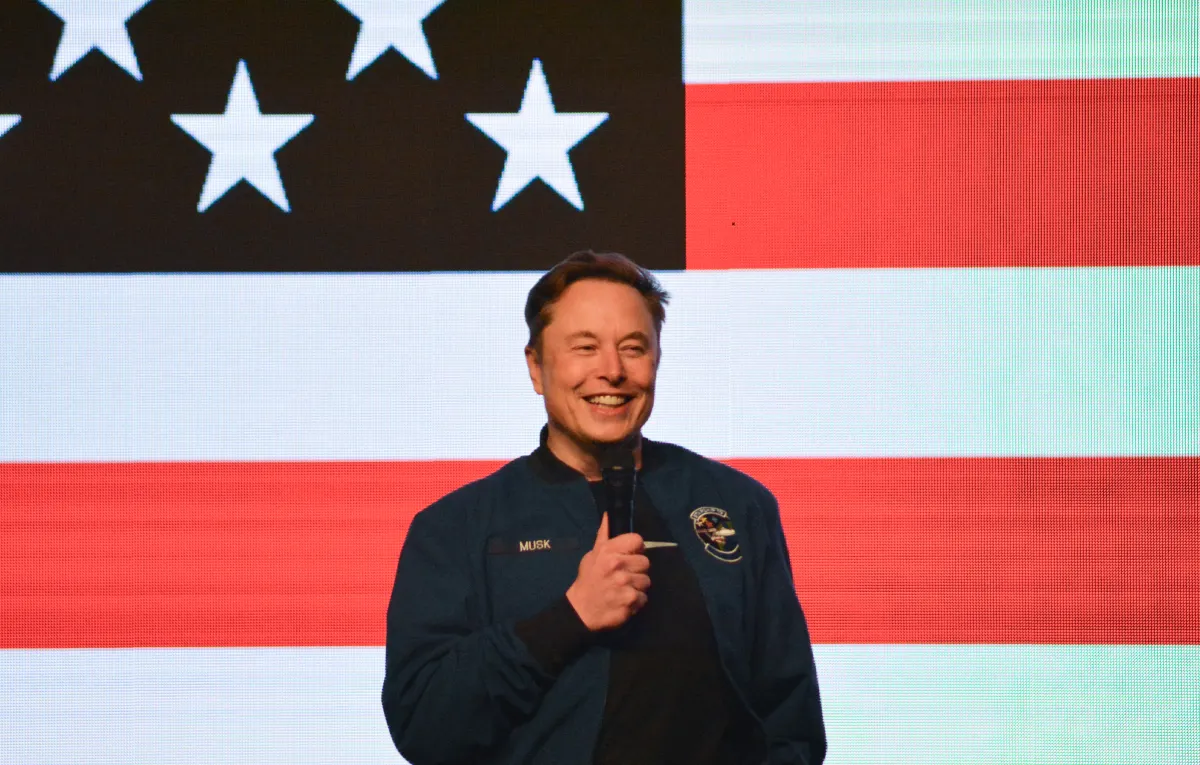
Sean O’Kane opened by noting that Elon Musk, one of the biggest data center builders and the largest donor to the Republican Party, appears to have gotten little from donating half a billion dollars or more; his businesses now sit in a state that turned dramatically blue. O’Kane also noted that ballot measures meant to ease data center construction were mostly voted down, while measures imposing restrictions or moratoriums largely passed. With Democrats in power, he expects more roadblocks, particularly in Texas, where Hinojosa has made data center restrictions a campaign promise.
Anthony Ha pushed back on the idea that tech is overfocusing on this, arguing that anti-AI and anti-data center sentiment was a potent, bipartisan political force that Democrats effectively harnessed. He predicted the next two years——and potentially 2028 and beyond——will be harder for tech companies generally, and for hyperscalers and data center operators specifically.
Kirsten Korosec agreed that data centers were not the single cause of the blue wave, but called them an increasingly grassroots issue. She attributed this to the secretive way hyperscalers have pursued approvals: requiring NDAs from officials, withholding project scale in environmentally sensitive areas, and building in places like the Southwest with water scarcity. That secrecy angered Republicans, independents, and Democrats alike. Korosec also pointed to OpenAI‘s newly released “compute campus policy blueprint,” which drops NDAs, promises information sharing, and commits to less secrecy. For her, this shows that regulatory pressure or clear market signals can force companies to change behavior; without that pressure, they won’t voluntarily do the right thing.
The panel then debated whether OpenAI‘s rebranding of data centers as “compute campuses” would work. Anthony noted the phrase “data center” has become toxic and that the policy also tries to reframe the industry. Sean dismissed the effort as ridiculous and unlikely to move the needle, saying OpenAI keeps going on side quests. Kirsten jokingly suggested OpenAI should create a cute “compute campus avatar” to make power- and water-hungry facilities seem friendlier, and Anthony added that OpenAI should build offices alongside the campuses if they are so lovely.
Finally, Anthony framed the election as part of a one-two punch: Wall Street is already souring on hyperscalers and AI companies spending heavily on data centers, so investors are not rewarding capital expenditure on compute. Regulation will likely make building harder, and Wall Street will not reward it, yet AI companies still need to build at massive scale somewhere. That tension, he said, will be critical to watch.