AWS aims for $1T revenue, but Amazon’s capex spending will keep climbing
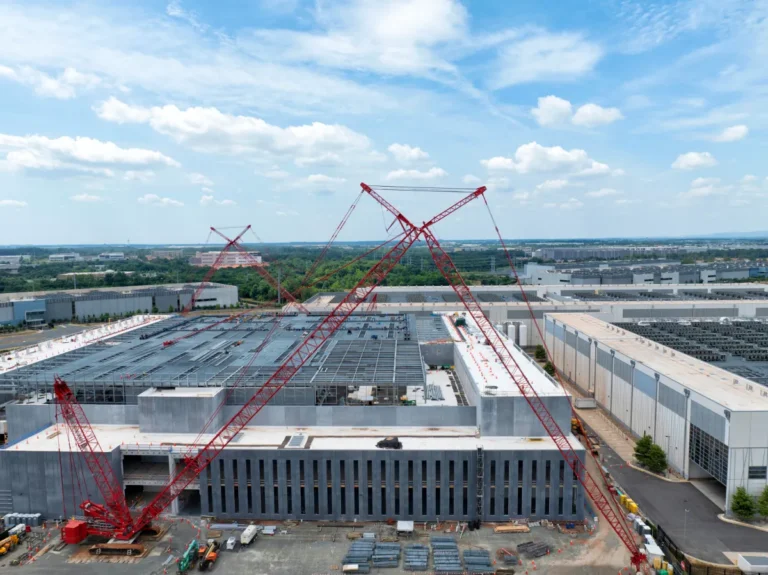
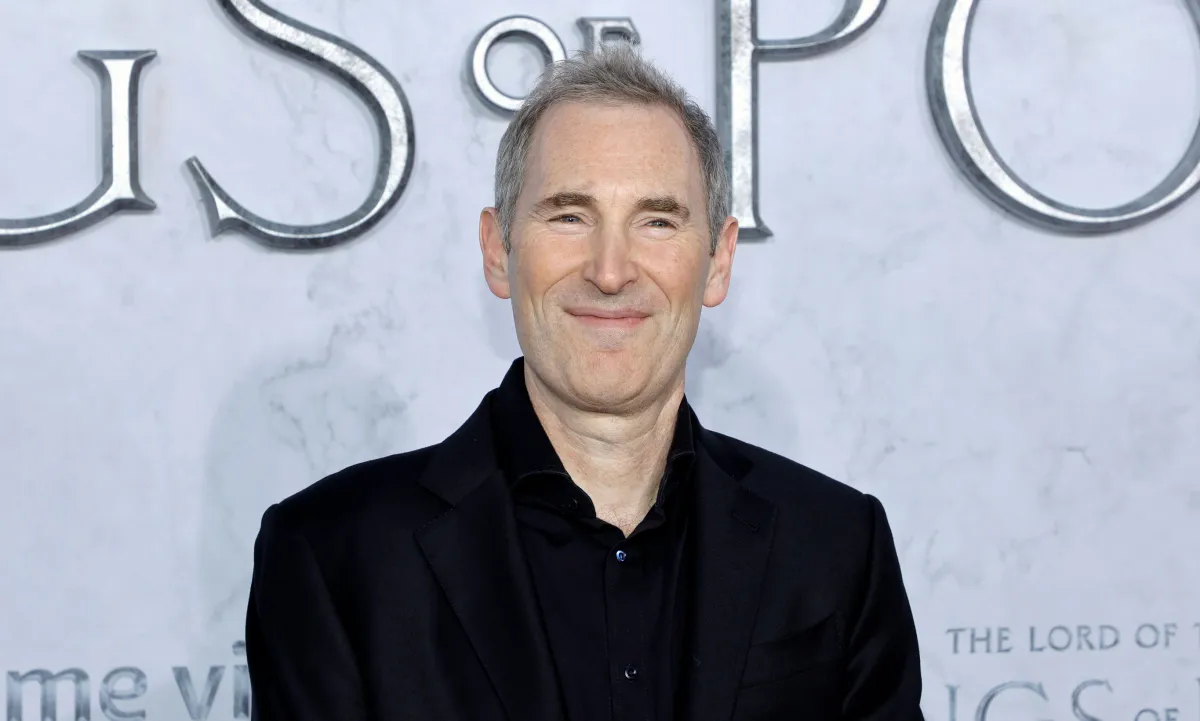
Andy Jassy reiterated his belief that AWS can become a trillion-dollar revenue business, but Amazon will first have to keep spending heavily. During Amazon‘s quarterly earnings call on Thursday, Jassy said the company still expects 2026 cash capital expenditures of approximately $220 billion, with the majority going to AWS, and plans to spend meaningfully more in 2027. He framed the spending as necessary to build infrastructure for what he called a historic moment in global cloud demand driven by AI.
Wall Street analysts pressed Jassy on the spending, asking for signals that growth will materialize and what profit margins to expect. He responded that the investment is money well spent, describing the AI boom as a “once in a lifetime opportunity” and saying the company plans to invest to remain the leader. AWS revenue increased 39 percent from the year-ago quarter, marking the sixth straight quarter of steady growth. Jassy also forecast that AWS growth would be north of 40 percent in both 2027 and 2028.
Jassy noted that AWS is already a $184 billion annualized revenue run-rate business, yet the opportunity remains extraordinary. With continued innovation, new core and AI functionality, enterprise demand for AWS workloads, and expanding capacity, he said AWS can grow beyond 40 percent annually and become a trillion-dollar revenue business within the next five to ten years. He added that enterprise AI adoption is still in the very early days and that the strategy is working.
Investors remained skeptical despite the bullish outlook. Shares were down about 6 percent in after-market trading on Thursday. The article also notes that other cloud providers are in a similar position: Microsoft posted record revenue growth driven largely by its cloud business while also spending heavily, illustrating that the AI boom is a mixed blessing for the cloud industry because AI services depend on cloud infrastructure.