SpaceX AI business beats expectations with $14.6B Q3 revenue
SpaceX‘s data centers and Grok agents have been more profitable than investors expected, and the company reported $14.6 billion in third-quarter revenue, according to its regulatory filing. Growth came across all segments, led by the renamed “Super Intelligence” business line, which includes the recently acquired Cursor coding tool, the Grok bot, and the company’s neocloud business with 1.7 GW of compute. AI now makes up 52% of SpaceX‘s income; the top line was also helped by about $1 billion in income tied to recovering bitcoin prices and unspecified related-party income.
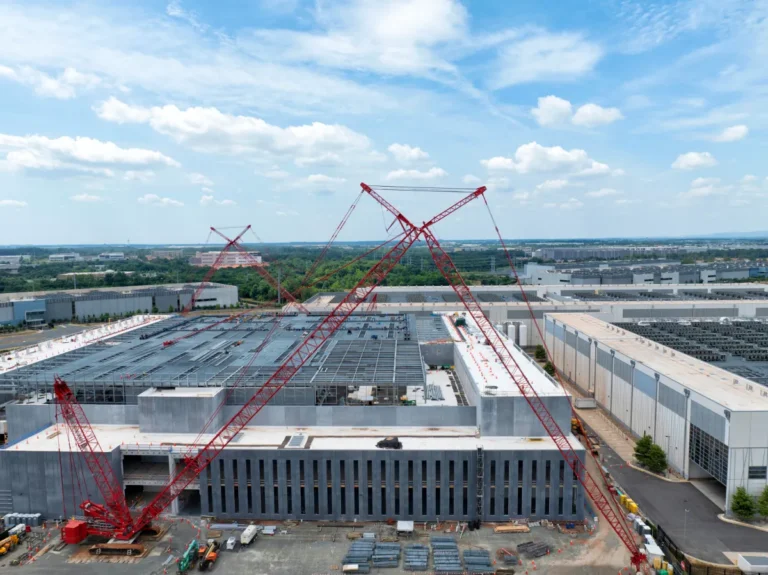
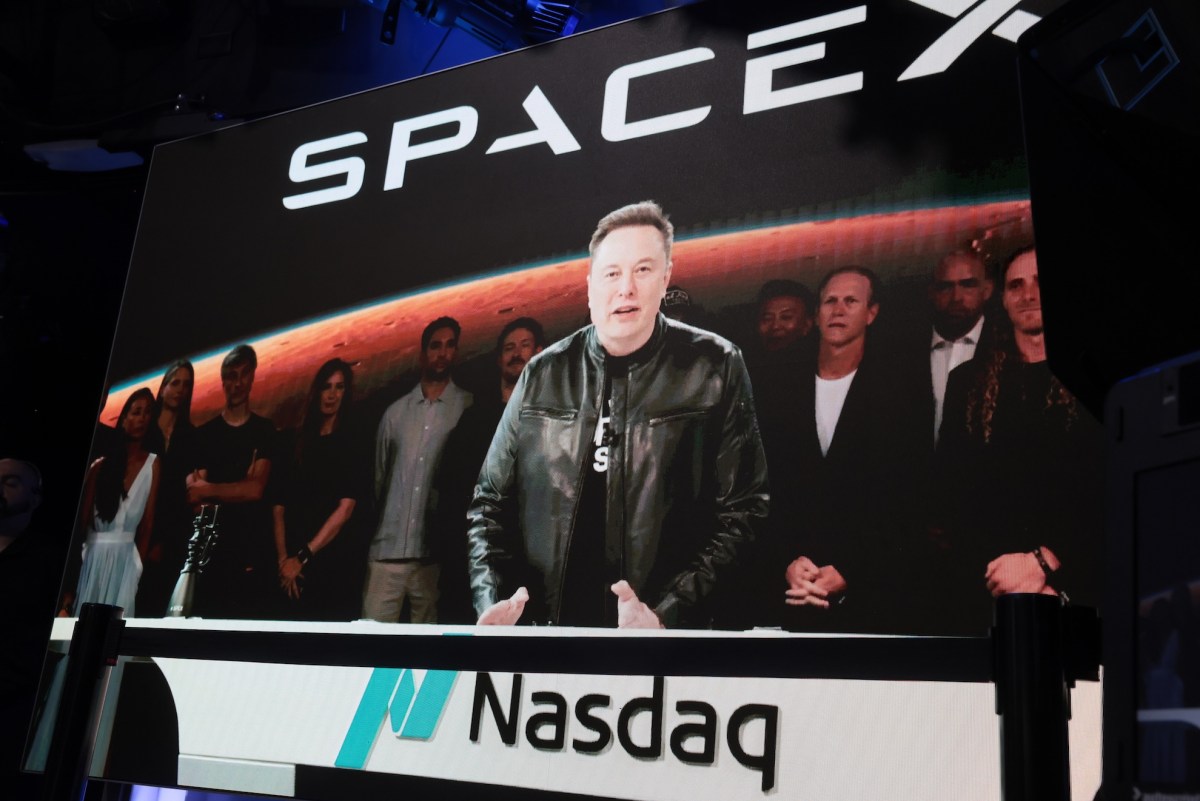
The revenue was balanced against $19.6 billion in total capital expenditures, as SpaceX continues to build Colossus II, its second data center project, and spends more on Starship, the heavy lift rocket it sees as vital to deploying a new generation of Starlink satellites and developing orbital data centers. Elon Musk said he spends four days a week in Memphis, where Colossus II is located, and argued that the constraint on superintelligence deployment is power, cooling, and infrastructure rather than chips. He said he has tasked SpaceX engineers with solving that problem, comparing the team to the New York Yankees playing in Little League and claiming it can deploy power and cooling infrastructure faster than anyone else.
Despite the heavy capex, SpaceX returned to profitability with net income of $4.4 billion in the quarter, reversing a $1 billion loss in the same quarter last year. Over the first nine months of the year, however, the company still shows a net loss of $413 million. Musk predicted that SpaceX‘s annual recurring revenue by the end of 2027 would be “somewhere between $500 billion and $1 trillion.” TechCrunch notes that this is a developing story.