Crusoe drops $1.25B Boom turbine deal for AI data centers
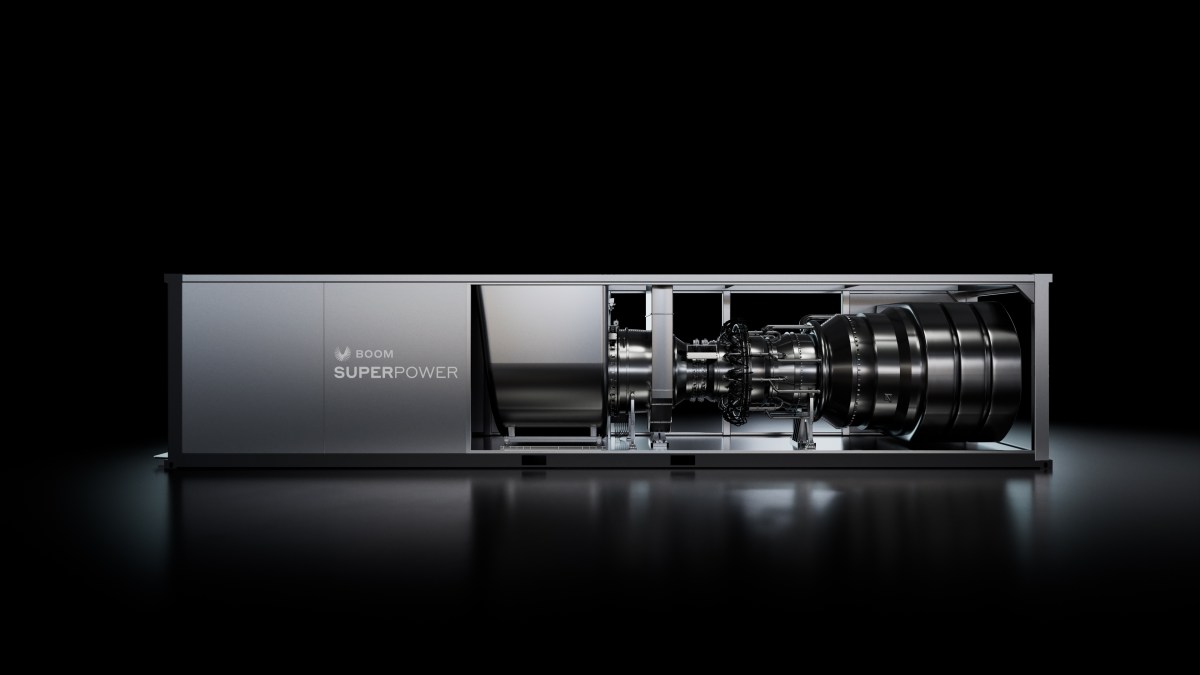
Crusoe, the Denver-based AI data center company that recently raised $3.9 billion, has abandoned its plan to spend $1.25 billion on 29 stationary power turbines from fellow Denver company Boom Supersonic. The deal was originally a launch partnership for Boom’s Superpower turbine, with first deliveries expected in 2027. Boom Supersonic CEO Blake Scholl confirmed the breakup Friday in a post on X, writing that turbines are no longer part of Crusoe‘s near-term primary power mix at Abilene and other sites, so a launch partnership no longer made sense. Scholl added that Boom will deliver about 250 megawatts of Superpower turbines next year to other sites and is targeting 1 gigawatt in 2028. Crusoe confirmed to TechCrunch that it is no longer doing business with Boom; spokesperson Andrew Schmitt said the company builds AI factories from the power up and stays flexible, choosing the right energy solution per site, including turbines, wind, solar, batteries, and the grid. He said Boom has been a great partner but the partnership is not the right fit today.
Boom Supersonic is best known for developing Overture, a supersonic passenger jet. Last year it launched a separate business selling a version of the engine it is developing for that jet as natural-gas-fired stationary power plants. The Superpower turbine shares about 80% of its parts with the airborne engine, called Symphony. Crusoe had signed on as the first customer for that business. Crusoe was founded in 2018 as a bitcoin miner that ran on excess natural gas from oil fields and has since become one of the biggest builders of AI data centers, including a large campus in Abilene, Texas, that supplies computing power to OpenAI.
Crusoe‘s power plans in Abilene help explain the shift. The company says its initial 1.2 gigawatt data center in Abilene, built for Oracle and OpenAI, is powered by the grid, with a gas-turbine plant used only for backup. Crusoe is also building a 900 megawatt data center in Abilene for Microsoft, which will be powered by on-site gas turbines. That leaves turbines still in Crusoe‘s energy portfolio even as they are no longer part of its near-term primary power mix at the sites Scholl mentioned.
Losing its launch customer appears to be a setback for Boom, which raised $300 million last year largely to commercialize the stationary power plant business. Scholl had told TechCrunch at the time that profits from that business would help fund development of Overture. Scholl could not be reached before publication; TechCrunch said it would update the article if he responds.