Massachusetts requires data centers to bring their own clean power
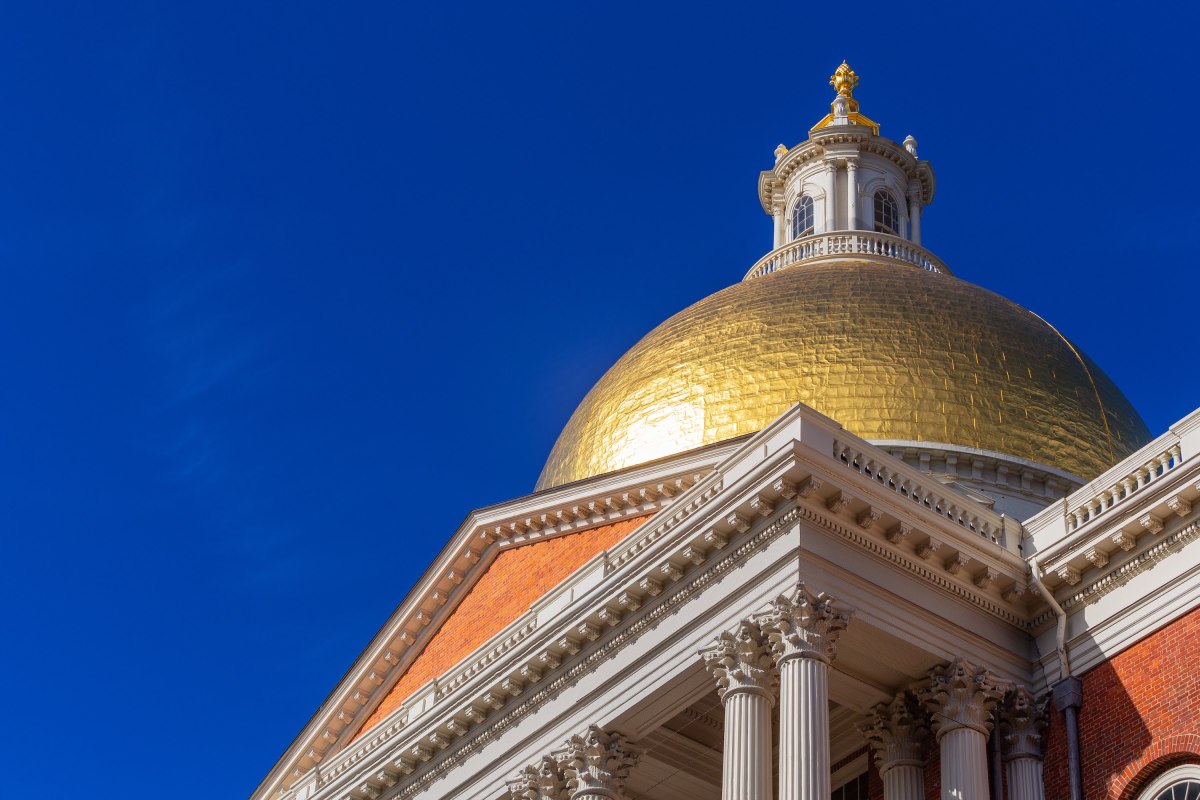
Massachusetts has become the latest state to restrict data center development, with an executive order from Gov. Maura Healey that shifts the burden of clean power onto developers. Facilities with more than 25 megawatts of peak demand must bring their own power and guarantee it meets state clean energy requirements. Healey prefers that power be generated onsite; otherwise developers must fund construction of new generation nearby or pay into a ratepayer protection fund. The order also directs communities to avoid signing non-disclosure agreements and pauses applications for a data center sales tax exemption that took effect last month, giving regulators time to implement the new restrictions.
The clean power commitment is tied to Massachusetts’ existing clean energy standard, so it is not an all-renewable mandate. In 2030, for example, wind, solar, and hydro must contribute at least 40% of a data center’s total power. That percentage varies by year and ratchets up over time. TechCrunch was unable to reach Healey’s office before publication.
Massachusetts is the third state in as many months to rein in data center development. In August, Texas Gov. Greg Abbott announced that all new data centers in the state would need to submit to audits by the public utility commission and grid operator ERCOT. In July, New York’s governor stopped construction of new data centers 50 megawatts or larger.
The policy shift comes after years in which tech companies and data center developers were showered with incentives, and as public sentiment turns against data centers. The tech industry is starting to push back: the pro-AI super PAC Leading the Future, funded by Marc Andreessen, Ben Horowitz, and Greg Brockman, is buying ads aimed at voters in battleground states ahead of midterm elections.