Apple lawsuit threatens OpenAI’s hardware and IPO plans
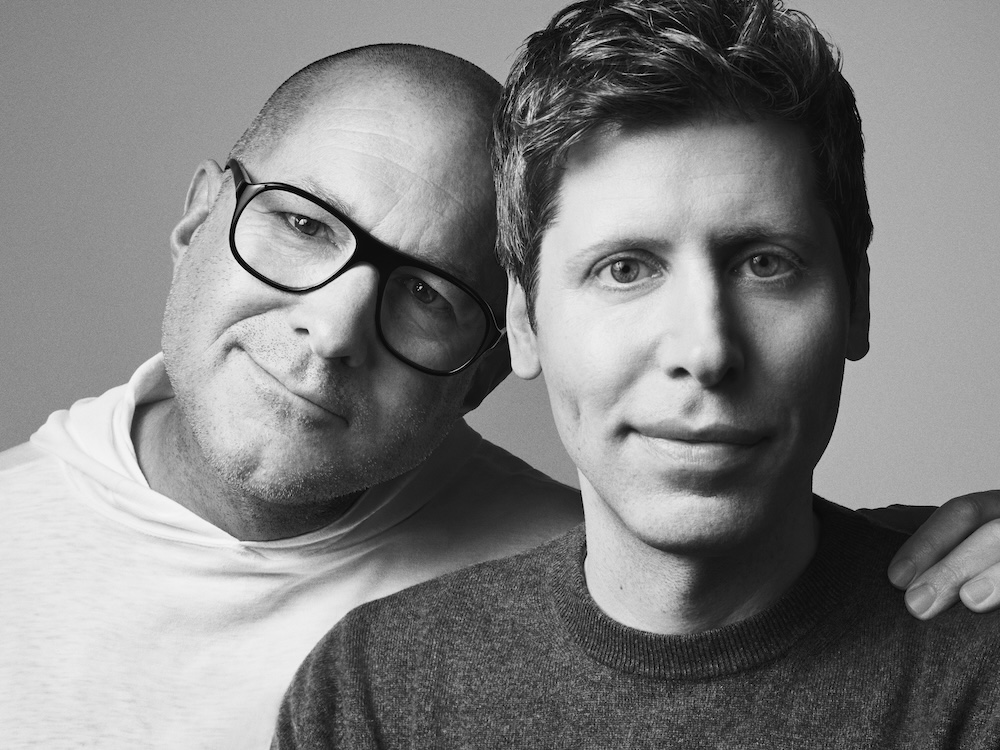
Apple recently filed a trade secrets lawsuit against OpenAI, alleging a pattern of misconduct aimed at getting current and former Apple employees to share confidential information. The lawsuit names OpenAI‘s chief hardware officer Tang Tan and claims over 400 Apple employees now work at OpenAI—a talent drain that Apple appears to have documented carefully. On TechCrunch’s Equity podcast, the hosts debated whether this legal action is primarily a bid to slow OpenAI’s much-discussed hardware ambitions, which reportedly start with a mobile smart speaker developed with Jony Ive. Even without an injunction, the lawsuit naturally creates delays in OpenAI‘s hardware work, and the timing is particularly awkward given that OpenAI has confidentially filed for an IPO that could happen as early as the end of this year or early next year. If a significant portion of OpenAI‘s addressable market pitch rests on hardware, this lawsuit changes the calculus around how the IPO gets priced.
The concrete tension is between OpenAI’s aggressive push into both consumer hardware and public markets, and Apple’s decision to weaponize trade secret allegations at this precise moment. The podcast panel noted that Apple doesn’t file such lawsuits lightly, and the allegations include specific claims about how OpenAI solicited confidential information from former Apple employees. While OpenAI responded by saying it is “not aware of any evidence that this complaint has merit,” the legal process itself creates uncertainty. Sean O’Kane pointed out that even setting aside injunctive relief, the lawsuit will cause natural delays in OpenAI’s hardware projects. Additionally, the IPO context raises questions about how much risk bankers and investors will assign to a company facing a high-profile trade secrets case from one of the world’s most valuable firms, especially when that case directly touches the hardware division OpenAI is trying to launch.
The key takeaway for builders and investors is that legal entanglement can derail or delay hardware roadmaps as effectively as technical challenges. The podcast panel predicted that OpenAI, having survived a trial against Elon Musk and learned it can endure embarrassment, will likely fight rather than settle quickly. That means this lawsuit is not just a legal sideshow—it’s a strategic move by Apple that forces OpenAI to either slow its hardware push or risk discovery revealing internal practices. For anyone building AI hardware or planning a capital-intensive product launch, this case underscores how intellectual property disputes can become existential threats to timelines, funding, and partner confidence. The outcome will set a precedent for how aggressively incumbent tech companies can use trade secret law to hobble emerging competitors in the AI hardware space.