Hotz’s AI Freedom vs. Safety: Should AI Help You Kill Someone?
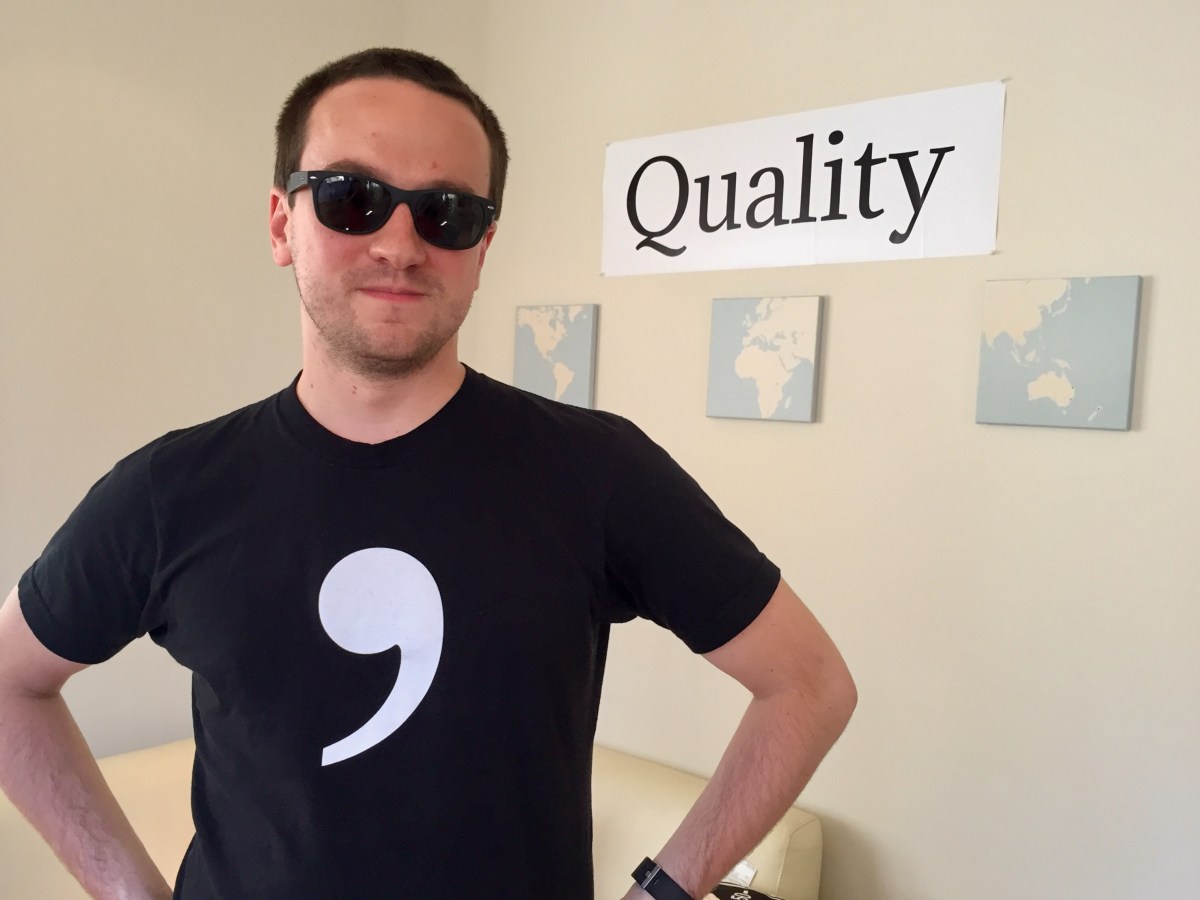
The article exposes a fundamental tension in AI alignment: should an AI be perfectly aligned with its user’s wishes, even if those wishes include harm to others? George Hotz, founder of Comma AI, provocatively argues yes, comparing user-aligned AI to a gun that doesn’t judge its owner. This stance directly opposes mainstream safety approaches that call for slowing development to prevent catastrophic misuse. The piece lands in the messy middle, questioning whether total freedom for the individual can coexist with the safety of the collective—especially when the user might want to order meth equipment or plan a murder.
Hotz’s concrete proposal is a shift away from centrally managed models like Claude and ChatGPT toward locally controlled AI that is closely aligned with its individual user. He dismisses the fast-takeoff scenario as unrealistic and instead advocates for a world where personal AI models do whatever the owner asks, no questions asked. The article notes that infrastructure costs currently make this difficult, but as technology improves, the DIY, experimental spirit of projects like OpenClaw could become more viable. Hotz even declares he would die to defend this principle, framing it as a binary choice between freedom and control.
For a serious builder, the takeaway is that AI alignment isn’t just a technical problem—it’s a design philosophy with real societal stakes. Hotz’s extreme example forces a hard look at what ‘aligned to the user’ actually means in a world of interdependent humans. Building locally grounded, permissionless AI is technically exciting, but ignoring the network effects of harmful use cases could undermine public trust entirely. The article leaves you weighing the appeal of a personal AI that never refuses a request against the terrifying asymmetry that would create in society—a tradeoff no architecture can paper over.