The Harness Era: Seven Disciplines for Domesticating AI in Production
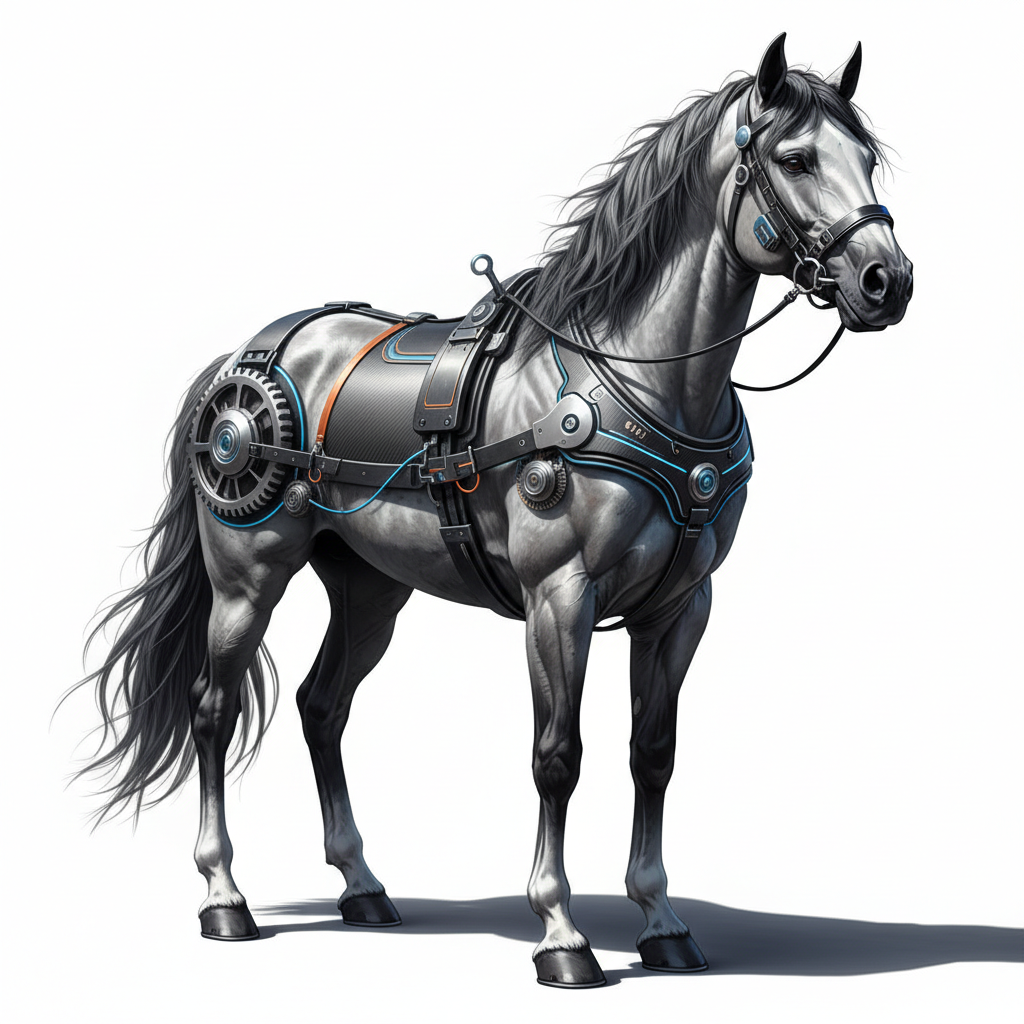
The article argues that the software era, dominated by SaaS products with fixed workflows, is ending and being replaced by a ‘harness era’ where AI must be domesticated rather than just deployed. The core tension is that raw AI models, while powerful, are like wild mustangs—they need structured systems to be reliable and useful in production. The author contends that the competitive advantage will no longer come from the model itself but from the quality of the infrastructure that tames it.
The concrete technical path is broken into seven disciplines of domestication: context and memory (bespoke retrieval systems for different use cases), tools and action (registries, argument validation, and MCP as connective tissue), orchestration and loop (think-act-observe-repeat with planning and retries), state and persistence (checkpoints and session threads to resume from failures), sandbox and compute (isolated Unix workspaces with controlled egress), observability and governance (tracing, evals, human-in-the-loop for high-stakes decisions), and cost and workflow optimization (architectural judgment on deterministic vs. non-deterministic steps). The article frames these as the real engineering work that separates demos from production systems.
The serious takeaway is that the best riders win when every company has access to the same model. The author predicts that thousands of niche markets will be left open for startups because the major AI labs will prioritize only the largest categories. Builders should focus on building superior harnesses—context databases, tool registries, and resilient orchestration loops—rather than betting on exclusive model access. The article is a call to invest in the operational plumbing that makes AI reliable, safe, and continuously improving in real enterprise environments.