Voice AI hasn’t reached its ChatGPT moment, PolyAI and Otter execs say
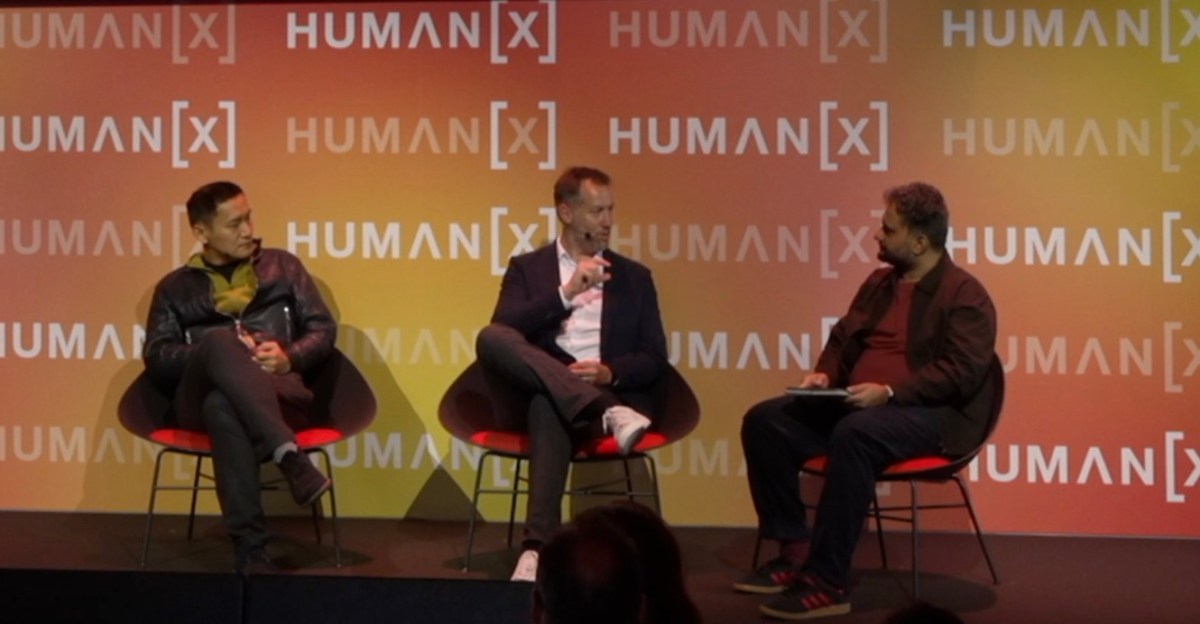
Voice AI has attracted heavy investment and a steady stream of releases, with startups working on models, enterprise customer service, meeting notes, and dictation. But two executives at the HumanX conference argue the technology has not yet reached its ChatGPT moment. PolyAI CTO Shawn Wen said that although full-duplex models now exist and can speak while listening, the next real challenge is making reasoning fast enough that models fetch answers quickly and conversations feel natural. He also stressed that customer-service agents should not sound robotic and must give callers enough confidence that problems can actually be solved. Once the voice is good enough and callers stay engaged for the first few turns, Wen believes they will build trust and may eventually accept an AI agent as a replacement for a human.
Alex Gay, CMO of meeting-notetaker Otter, emphasized a different set of milestones. He said speaker identification, intent capture, and combining that with organizational knowledge are key steps toward automation. Otter is also exploring digital twins that might represent people in meetings, and Gay argued that the output voice must carry the same emotional expression as a human conversation. Without that, he said, an avatar in a meeting becomes just a Q&A chatbot rather than a participant capable of debate and strategic discussion.
Both executives also pointed to ongoing problems with understanding and transparency. Wen said ASR models often miss important keywords, which breaks the context needed for a full conversation. Gay agreed, noting that transcription was never the end point at Otter but a foundation for productivity gains. If the original transcription is not accurate, downstream actions become flawed, and users lose trust in the platform. He described continued ASR improvements as critical because of their significant downstream impact.
On transparency, the two executives said tools should make it clear when people are being recorded or talking to an AI. Otter wants to build trust in meetings, and even when its bot is not present, it tries to notify everyone in the chat that the meeting is being recorded. PolyAI’s Wen also said it is important to establish that people on enterprise calls are speaking with an AI.
The article captures a broader sense of unmet expectations: voice AI has progressed in fluency and full-duplex capability, but the underlying reliability, speed, and trust issues remain unsolved. The execs frame the next phase as one of faster reasoning, better understanding, and clearer disclosure rather than another wave of demos claiming human-like sound.