Theranos whistleblower Tyler Shultz warns AI boom is an opportunity to deceive
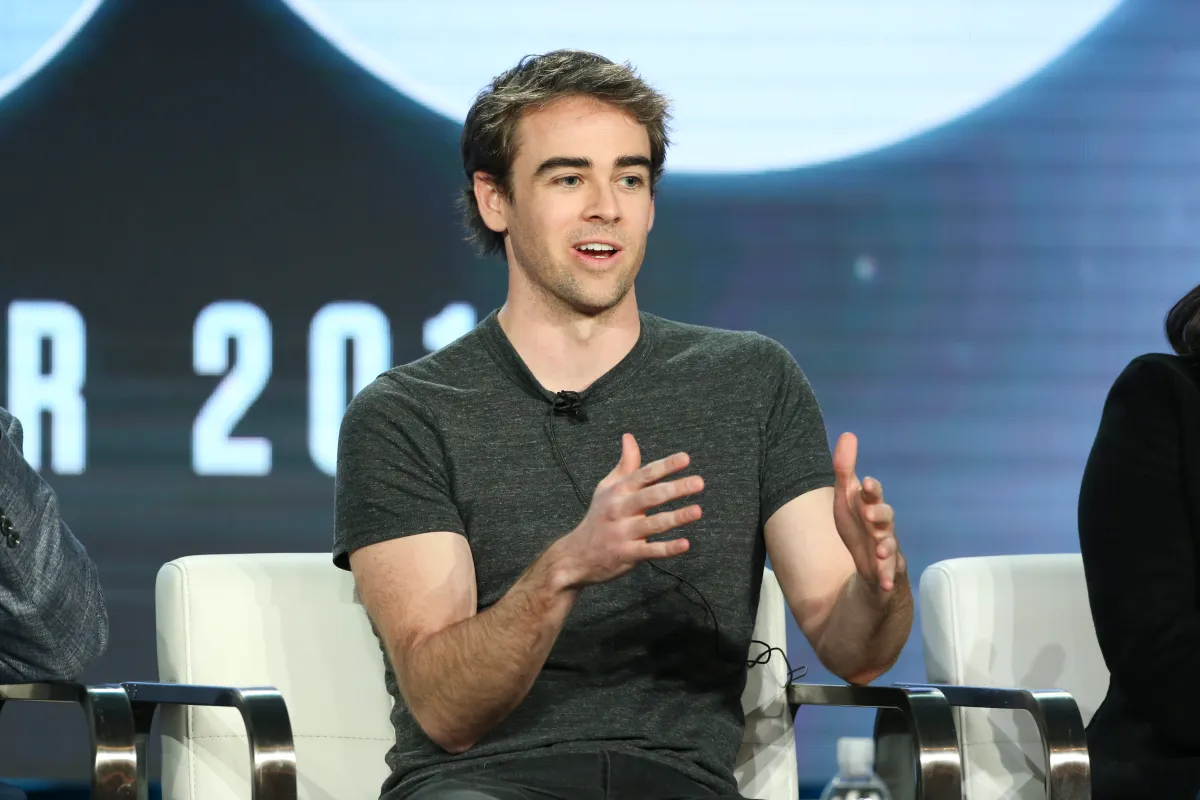
The Theranos cautionary tale is getting renewed attention as the AI boom creates fresh room for deception, in the view of whistleblower Tyler Shultz. The documentary “You Can See Everything,” directed by Nathan Fielder and Lance Oppenheim, follows Elizabeth Holmes in her final weeks before prison and has become one of the highest-grossing documentaries of all time. The film deliberately refuses to cast Holmes as either a master manipulator or a victim, and instead shows how she induces pity even from people who are fully aware of her crimes. Shultz, whose first job out of college was at Theranos, helped expose the company’s dangerously inaccurate blood testing devices, which reached real patients through Walgreens stores. Theranos hit a peak valuation of roughly $10 billion even though its technology never actually worked; it used its own machines for only a fraction of tests and quietly outsourced others to third-party equipment.
Shultz told The San Francisco Standard that “the only reason we’re talking about Elizabeth Holmes right now is because she wants us to be talking about Elizabeth Holmes right now.” With Holmes in federal prison, the case is closed, but Shultz sees the AI era as a higher-stakes repeat of the pattern: companies that have never turned a profit are raising capital at trillion-dollar valuations, and investors may be forgetting the lessons of Theranos. “I think the days of having a thirty-minute coffee with someone and sending them $100,000 should be over. Elizabeth took that model and scaled it to $100 million,” he said. His grandfather, former U.S. Secretary of State and Secretary of the Treasury George Shultz, was a notable Theranos investor and board member. Shultz argues that when investors place that kind of money in someone’s hands, they are giving that person tremendous power.
Theranos‘ funding often came from individual investors such as the DeVos and Walton families rather than venture firms. The company declined to share scientific evidence that its machines worked with potential investors, citing trade-secret concerns, a stance that kept many top Silicon Valley venture capitalists away. When the fraud came to light, it was treated as a wake-up call for investors to prioritize due diligence. Shultz worries that warning has faded in the AI boom. “A huge danger with AI is that I think it is really hard to do due diligence on it,” he said. “It’s really hard to tell the difference between what is something truly unique and new versus like, a ChatGPT wrapper… If you want to deceive people, I think this is a great opportunity to go deceive people.”
The documentary’s central question is why a mother of two young children would invite a film crew to follow her family in the days before surrendering to a prison sentence of more than eleven years. For Shultz, the answer is straightforward: Holmes wants pity, because pity may serve her future better than hate or mockery. The film shows Holmes and her partner, hotel heir Billy Evans, working on Haemanthus, a diagnostics company they call “Theranos 2.0,” which has reportedly raised about $20 million. While “You Can See Everything” does not make Holmes look good, the article notes it glosses over Theranos‘ more serious crimes, including providing dangerously faulty medical information to real patients and the company’s targeted harassment of Shultz while he tried to sound the alarm.
Shultz remains uneasy about what Holmes may do next. “I have this feeling of unease about what might come next,” he said. “She’s certainly preparing and beginning her second act, and I don’t know exactly where it’s going to go.” The broader warning of the Theranos story, now applied to AI, is that investor enthusiasm can bypass evidence when the technology is hard to understand.