The sameness problem behind AI-generated menus
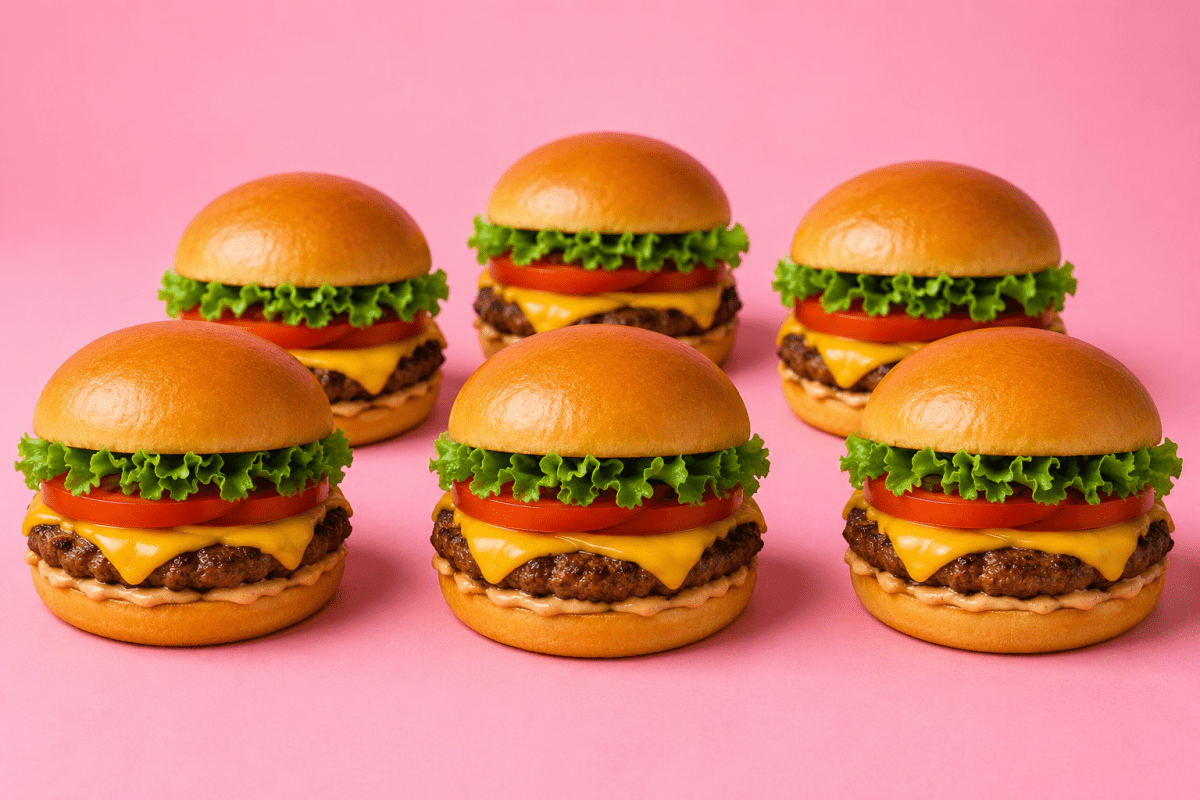
AI-generated restaurant menus share a distinct, homogenized aesthetic that makes food look eerily perfect and symmetrical, triggering an uncanny valley effect.
Reality Defender CTO Alex Lisle explains that models like ChatGPT and Midjourney are trained on narrow datasets—often corporate menus from chains like Chili’s—leading to convergence where outputs become overly smooth and rounded.
Every edit to an AI-generated menu, such as changing prices, degrades the images further, as demonstrated by an experiment where 100 successive edits produced increasingly unnatural food.
Lee Rainie of Elon University notes that datasets are optimized for ‘pleasingness,’ which shaves off edges and creates homogeneity.
Researchers at the University of Duisburg-Essen found that near-real AI food images cause more disgust than obviously fake ones.
The article warns that this problem extends beyond menus, undermining trust in visual evidence.