The AI Preflight Check: A Memory Architecture for Agents
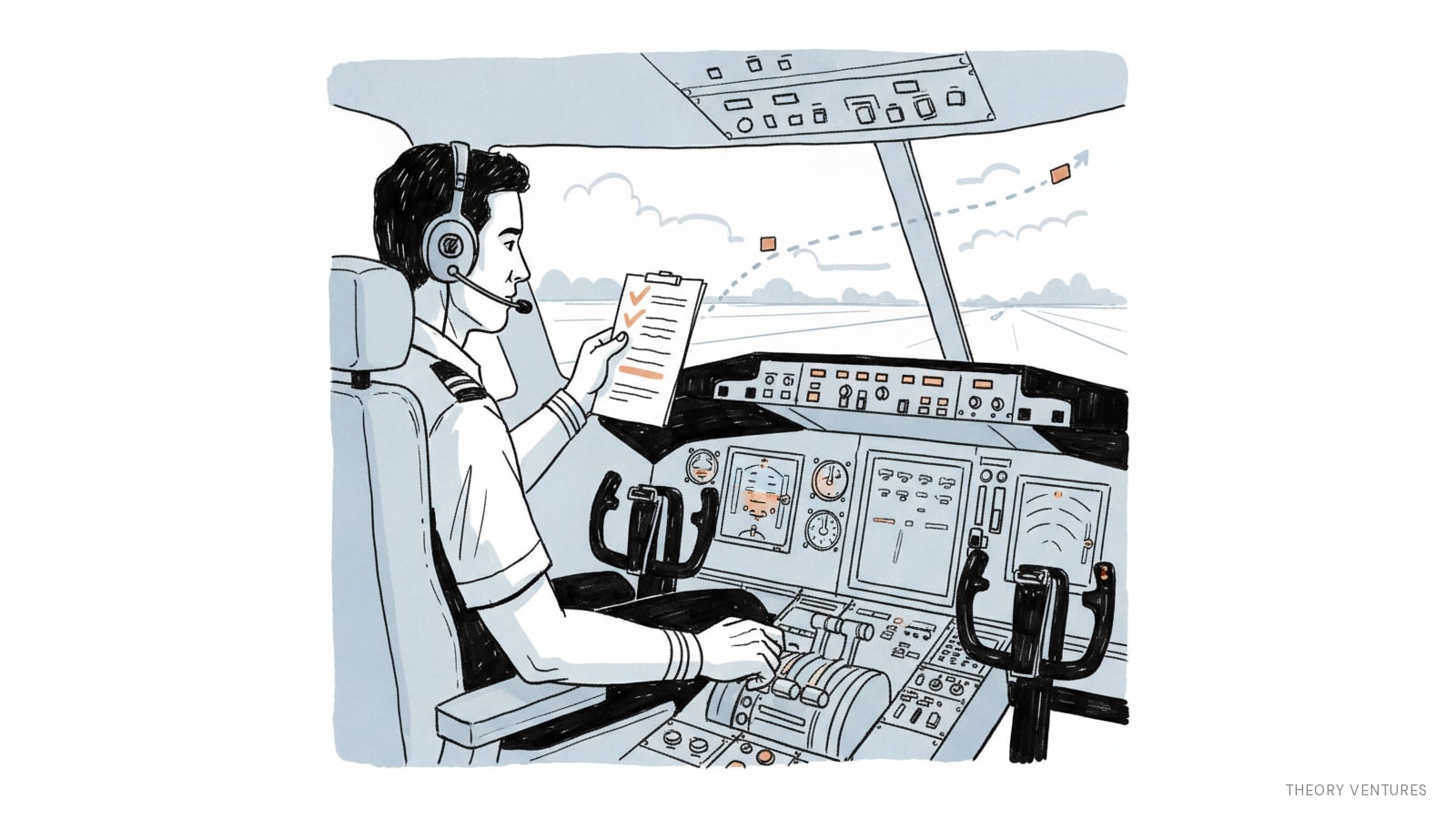
The post introduces a working memory architecture for AI agents called The AI Preflight Check. The core idea is that context size is not the ceiling; memory architecture is. The system works in three stages: preflight retrieval, local execution, and overnight watchdog improvement.
When a query arrives, the agent first inspects a skills library and retrieves only the relevant skills into the context window, rather than loading all available tokens. This preflight step is the key mechanism for picking the right consolidated memory. The agent then executes using a local model (Ornith 35B), which handles about 80% of routine tasks. Hard tasks are routed to frontier models.
A watchdog component monitors every preflight decision, skill invocation, and success rate. Each invocation is a named, versioned artifact. Overnight, asynchronous inference processes the day’s trail to decide which new skills to develop and which parts of existing skills should become deterministic code (e.g., calendar scheduling is better done in Rust than by an LLM). The system rewrites its skills library and restarts itself in a self-improving loop.
The author notes that yesterday was the first day the watchdog did not suggest any improvements, suggesting that at some level of improvement the system reaches a plateau where only genuinely new exceptions need human help.