Nvidia’s AI edge extends beyond GPUs to system orchestration
The dominant narrative about Nvidia—that its advantage rested solely on being the only source for state-of-the-art GPUs—is shifting.
While hyperscalers like Amazon and Google have begun building their own chips, Nvidia’s recent earnings and product details reveal a deeper moat: system-level orchestration.
As AI compute scales to gigawatt levels, efficiently moving data to and from GPUs has become critical.
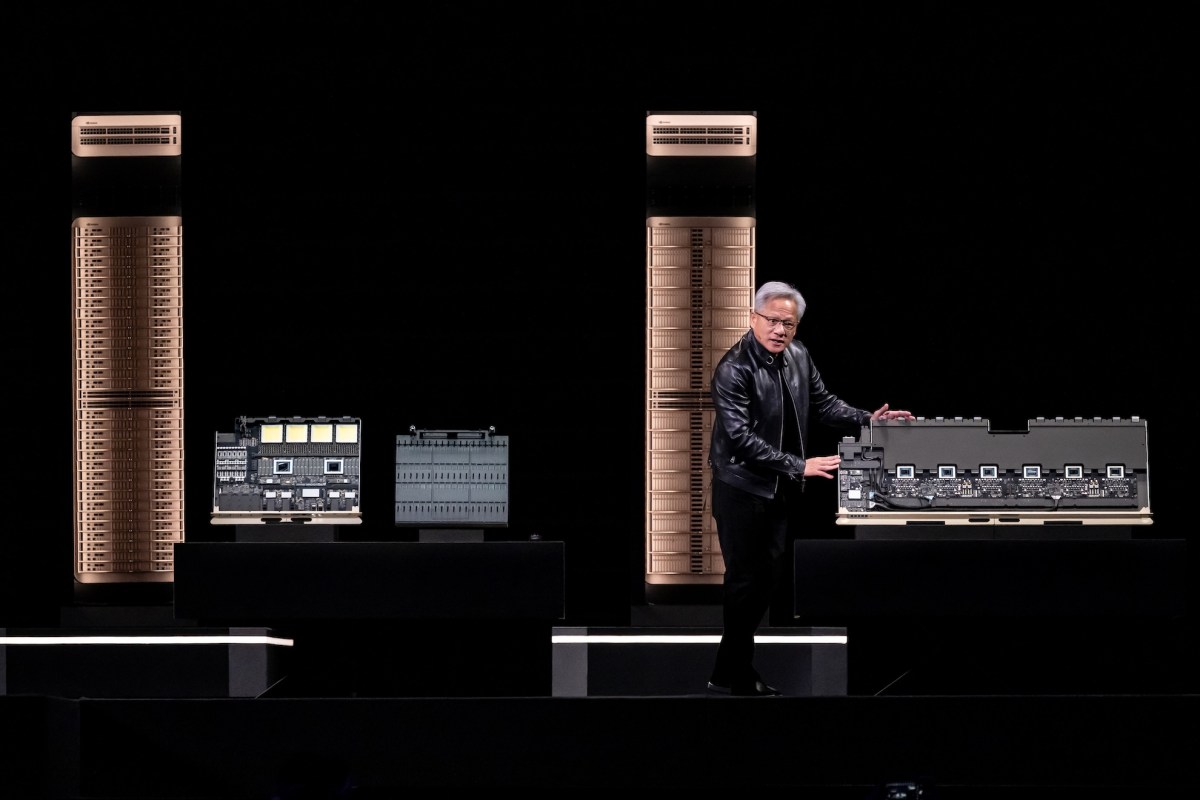
Nvidia’s Vera Rubin architecture includes not only the Rubin GPU but also the Vera CPU, Groq 3 LPX inference accelerator, and specialized storage and networking racks.
These components focus on data orchestration—ensuring that memory and flash deliver data to the GPU without bottlenecks.
Nvidia VP Jason Hardy cited up to 3x improvement in operations thanks to the Vera CPU.
Separately, OpenAI’s Jalapeño chip takes a different approach, minimizing data movement by keeping entire workloads within a single integrated domain.
Both strategies underline a new competitive layer: efficient data movement over raw GPU power. Nvidia must now compete on this new layer, but early signs suggest it holds a commanding lead.