Near-autonomous AI improves challenging Chan-Lam coupling for sulfonamides
Synthesis is a major bottleneck in drug discovery because chemists can only test molecules they can actually make, yet many important reactions produce low yields or unreliable results. This article from OpenAI describes a project where a near-autonomous AI system tackled exactly this tension by focusing on Chan–Lam coupling of primary sulfonamides with boronic acids, a reaction class historically plagued by low yields despite the therapeutic importance of sulfonamide-containing drugs in oncology, infectious disease, and other areas. The core problem is that progress in medicinal chemistry cannot be measured by reasoning alone—a hypothesis must survive real lab conditions with real molecules and experimental noise.
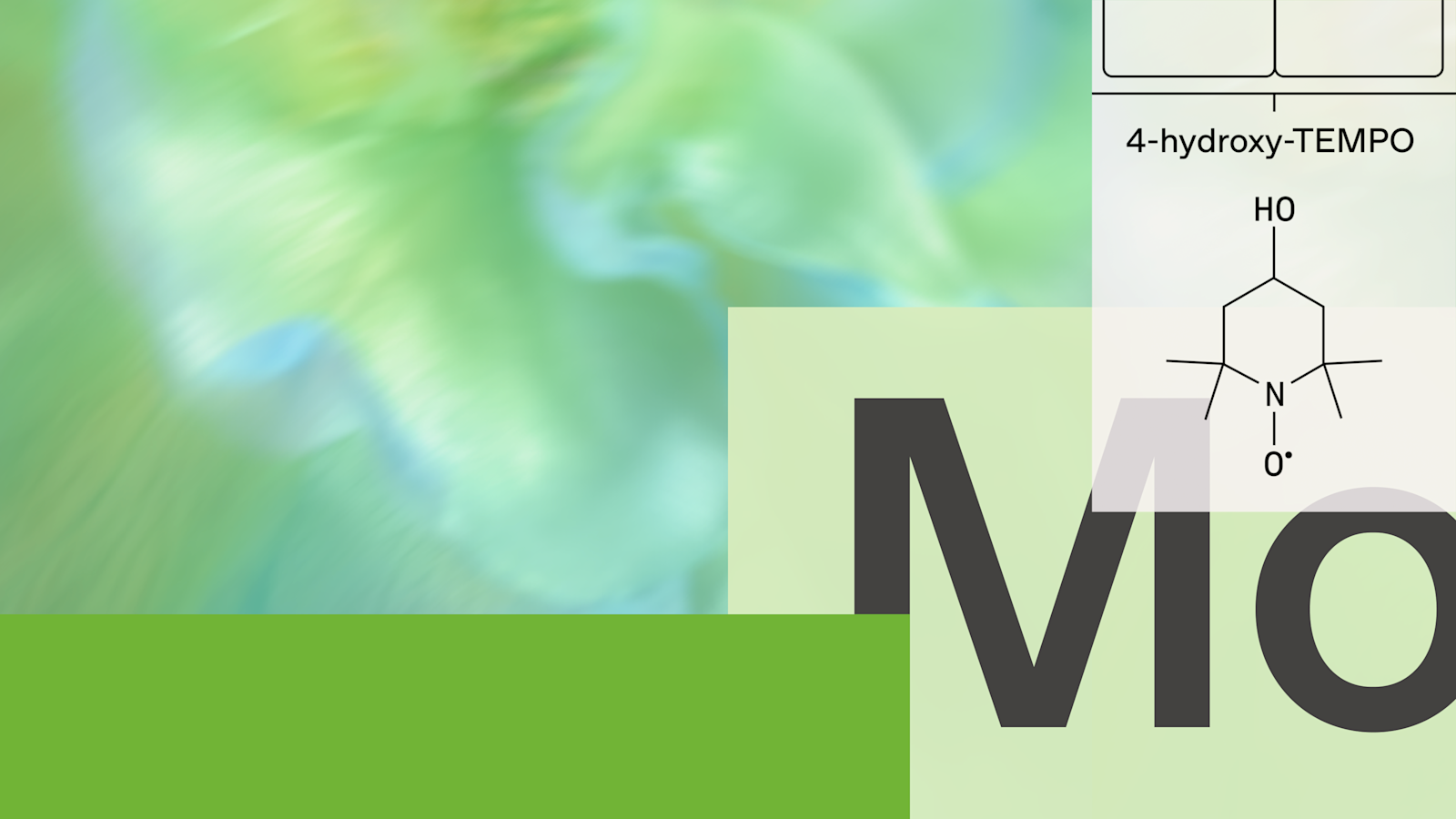
The system paired GPT-5.4 with Maria, an agentic chemistry AI integrated with a high-throughput laboratory from Molecule.one, and gave it an open-ended goal: improve a difficult reaction class. Over two experimental cycles totaling 10,080 reactions, the system independently generated proposals, designed experiments, analyzed data, and proposed follow-ups. The winning proposal, OAI-M1-03, suggested using mild oxidants like TEMPO—a surprising idea that human chemists found interesting. Optimized conditions raised mean yields from 16.6% to 25.2%, and the share of reactions above 30% yield doubled. Human chemists then validated representative results at bench scale, confirming higher yields for 11 of 14 substrate pairs with more than twofold increases in most cases.
For builders and researchers, the key takeaway is what “near-autonomous” actually means in practice: the model proposed the core idea and drove the experimental loop, but humans still provided steering prompts, selected proposals, corrected plans (notably avoiding DMSO as a solvent), and handled bench-scale validation. The article is refreshingly specific about limitations—this does not show end-to-end autonomous research or generalization to other reactions. What it does show is a concrete, reproducible pipeline where a frontier model, specialized agents, automated infrastructure, and human judgment combine to move faster through the research loop. The stronger test will come next: independent replication and broader substrate scope.