Microsoft cuts AI costs by using own models in Office
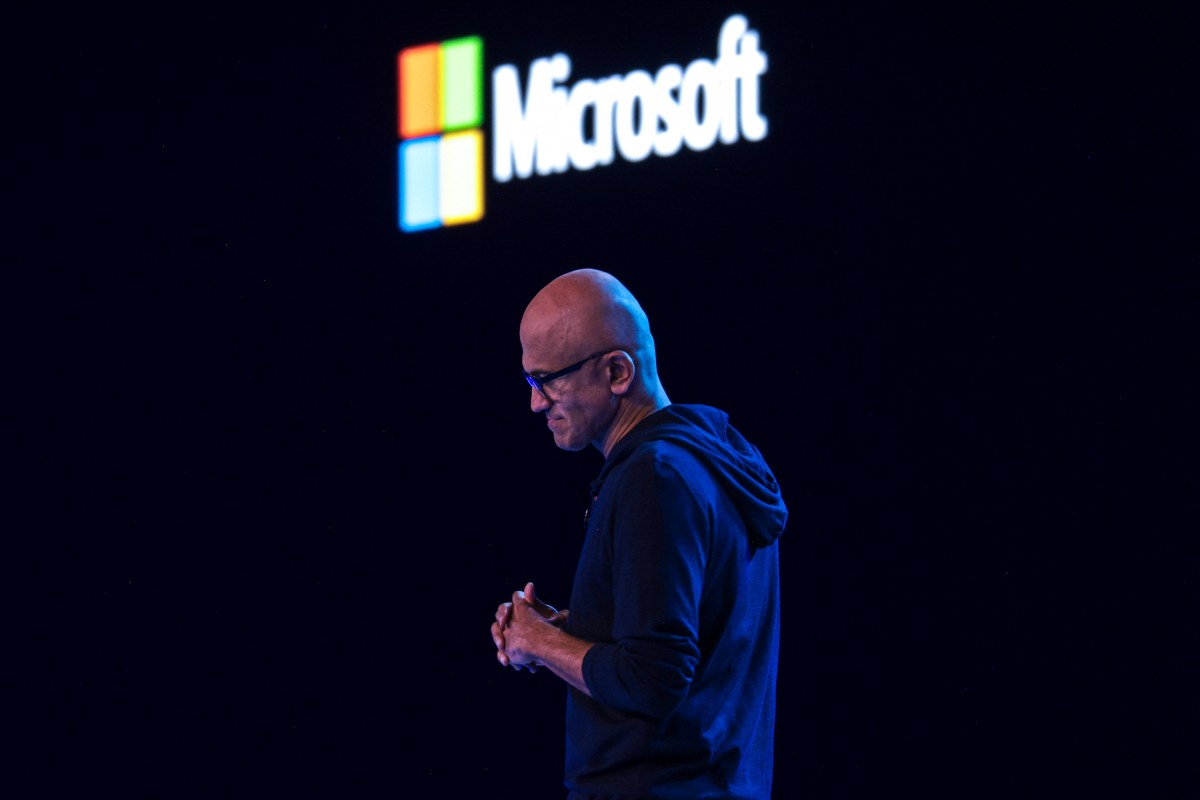
AI costs are spiraling, and even Microsoft is feeling the heat. The company has quietly started shifting away from relying exclusively on expensive third-party models from OpenAI and Anthropic for its flagship Office products. Instead, it now routes a portion of user prompts in Excel and Word through its own in-house MAI models — a direct sign that the era of unlimited AI spending is giving way to hard-nosed cost control. This move is not an abandonment of external models, but a strategic rebalancing to reduce per-query expense without sacrificing product quality.
Microsoft’s internal pivot was detailed by Bloomberg and comes just weeks after the company unveiled seven new MAI models at Build, including an agentic coder and a text-to-image generator. These models let Microsoft serve many standard Office queries internally while reserving OpenAI and Anthropic for more complex or high-value tasks. The company is not alone: Amazon, Uber, Meta, and Accenture have all reportedly tightened AI budgets recently, and some firms are even evaluating Chinese models as cheaper alternatives — security concerns notwithstanding. The industry is moving from a land-grab phase to a margin-conscious one.
For builders, the lesson is clear: proprietary models are becoming operational hedges against runaway API bills. Relying on a single expensive provider is risky, both financially and strategically. Microsoft’s move signals that even AI giants see value in building fallback tiers of capability. Engineers should plan for multi-model architectures that can gracefully degrade to cheaper, self-hosted or smaller models for routine tasks. The next wave of AI infrastructure will likely be defined not by raw capability alone, but by cost-aware routing and model selection at scale.