Meta launches Pocket, its AI vibe-coding game app, in the US
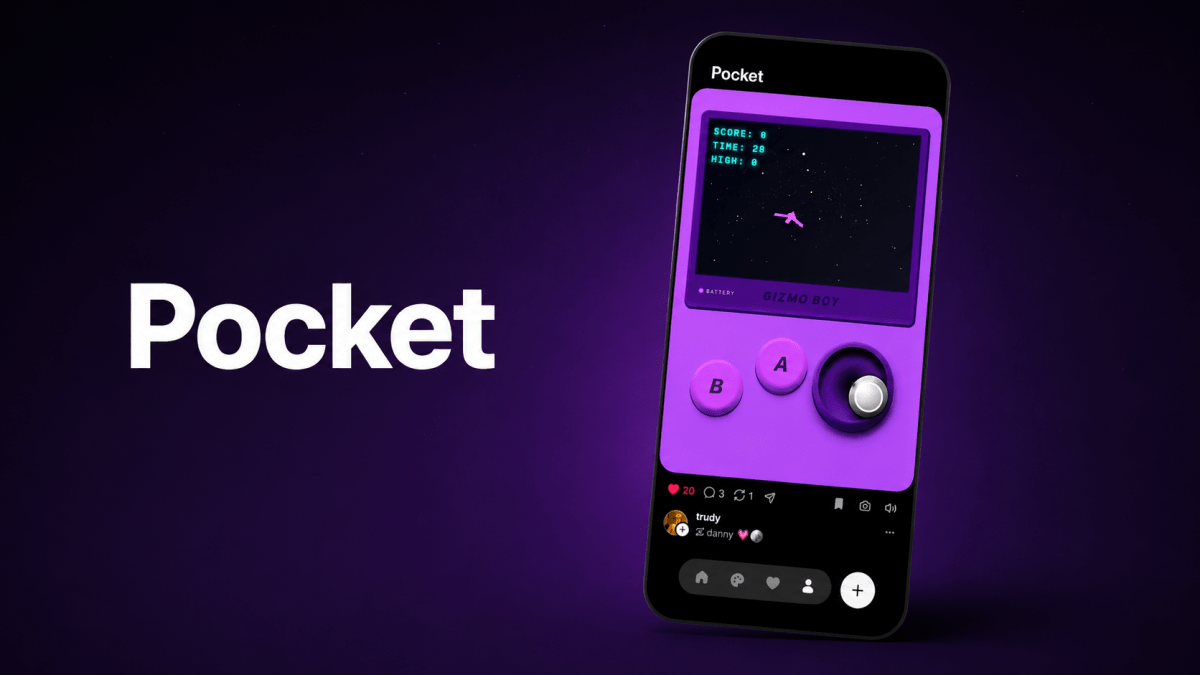
Meta‘s experimental vibe-coding gaming app, Pocket, is now rolling out to all users in the United States. The app, which launched quietly in Brazil last month as a test market, lets people generate small, interactive games from AI prompts and publishes them to a scrollable feed. Pocket is based on Meta‘s acqui-hire of the team behind the vibe-coded gaming platform Gizmo earlier this year. These games—called “gizmos”—respond to touch and phone tilt, play sound effects, and can include clips of your favorite songs. They can also use photos from your camera roll or access your camera. Created games can be shared on your profile, where others can save them, remix them into new creations, or repost them.
Pocket is the latest example of Meta‘s push to make AI creation tools mainstream, following earlier efforts like AI-generated images in the Meta AI app and AI videos created with an experimental app called Vibes. It joins several other standalone mobile applications that Meta has shipped in recent months. CEO Mark Zuckerberg credited the increased output to AI-enabled software development, which lets the company test and ship new ideas faster. On the July earnings call, he cited Instagram Instants, a stand-alone Groups app called Forum, and Seller, a stand-alone Marketplace app, and said, “I expect it to become a lot easier to ship new apps… we are planning to build out more ideas and use our recommendation systems to scale them.”
Beyond these, Meta has also shipped an experiment involving AI bedtime stories and, this week, a Meta AI app for Mac. The broader pattern is that AI is accelerating Meta‘s app development pipeline, allowing it to quickly prototype and launch niche social and creative tools. Pocket itself targets the casual creator audience, making game development accessible through plain-language prompts rather than code. The social layer—saving, remixing, reposting—turns the app into a collaborative loop that could feed user engagement and provide Meta with data on how people interact with AI-generated content. While the app is experimental, its rollout to the full U.S. market suggests Meta sees enough traction in Brazil to expand. The move also aligns with Meta‘s strategy of using its recommendation systems to scale successful ideas across its family of apps.