Medium’s TK app embeds AI assistant into the writing process
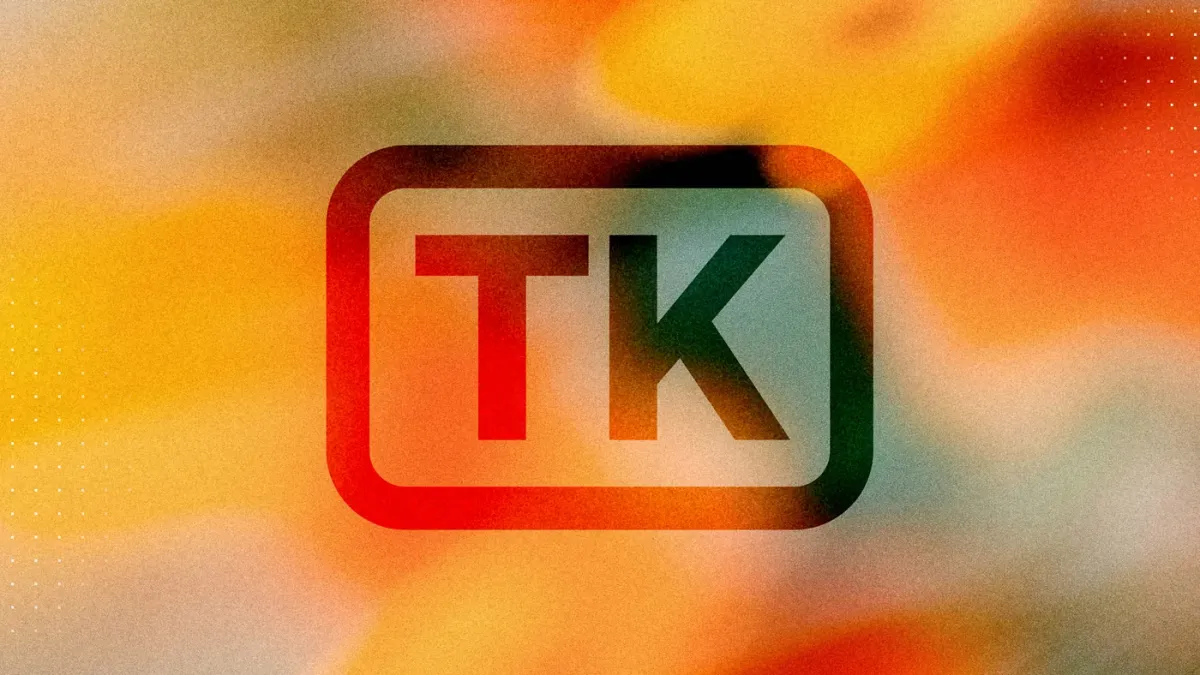
Medium launched TK, a new app designed to bring AI assistance directly into the writing process. The idea is to make it easier to turn ideas into written words by embedding an AI assistant into the editor: users can type “@TK” followed by a request or prompt to ask for help. The name TK comes from journalism and publishing, where it is a placeholder used to mark where missing information can be added later. The abbreviation stands for “to come,” but uses K instead of C because the “tk” letter combination is rare in English and therefore easier for proofreaders to spot. In Medium’s app, TK aims to help users fill in those blanks.
The company suggests the assistant can answer quick questions a writer might otherwise open another tab for, such as how many days are in a particular month, and it can pull in bits of writing previously saved to the app while the user was still developing ideas. TK will also ship with specific skills for editorial feedback, headline feedback, and matching a draft to the style guide for Medium publications.
Medium’s move into AI-assisted writing comes at a time when the publishing world is reckoning with the role AI has played in long-form prose. Multiple authors have lost book deals over suspicion of AI use, and literary awards have faced scrutiny when winners were suspected of writing with AI assistance. While proofreading and light grammatical edits have long been automated, there is growing concern that an AI assistant’s editorial “suggestions” can become the writing itself rather than reflecting the writer’s own thoughts. At the same time, because AI models are trained on human writing, the reliability of AI detection tools is questioned when it comes to distinguishing writing done with AI, with AI assistance, or not at all.
TK takes a side in that debate, celebrating what AI can bring to writing. Medium says “artificial intelligence makes writing more important, not less” and that “AI is a technology that has the power to amplify human intelligence and it uses the written word as a foundation.” Still, the company acknowledges that AI raises the possibility of low-quality content and blurred lines between human-written and AI-written work. To address this, TK lets authors publish notes that transparently explain how AI was used in their writing. Medium described this as the start of what is required to publish in the AI era: making the provenance of writing clear, transparent, and inspectable, down to the prompting and source material.
Beyond writing assistance, TK helps users remember and organize what they have previously written and suggests writing prompts. It can optionally connect to a user’s own AI agent through TK’s MCP server or Claude skill so the app can better understand projects, positions, and other ideas stored in the agent’s memory. The app also incorporates human feedback in a social layer, allowing writers to share early drafts with others and get feedback. At launch, TK is available on the web, with a desktop app on the roadmap. It can import and export Markdown but is not a Markdown app itself. Writing in TK is not encrypted because the app is designed for collaboration, but users can set access control permissions on their work. Medium, which is profitable, says TK will be a free tool for those with a Medium account.