Apple’s Siri AI arrives in iOS 27 beta, but feels anticlimactic
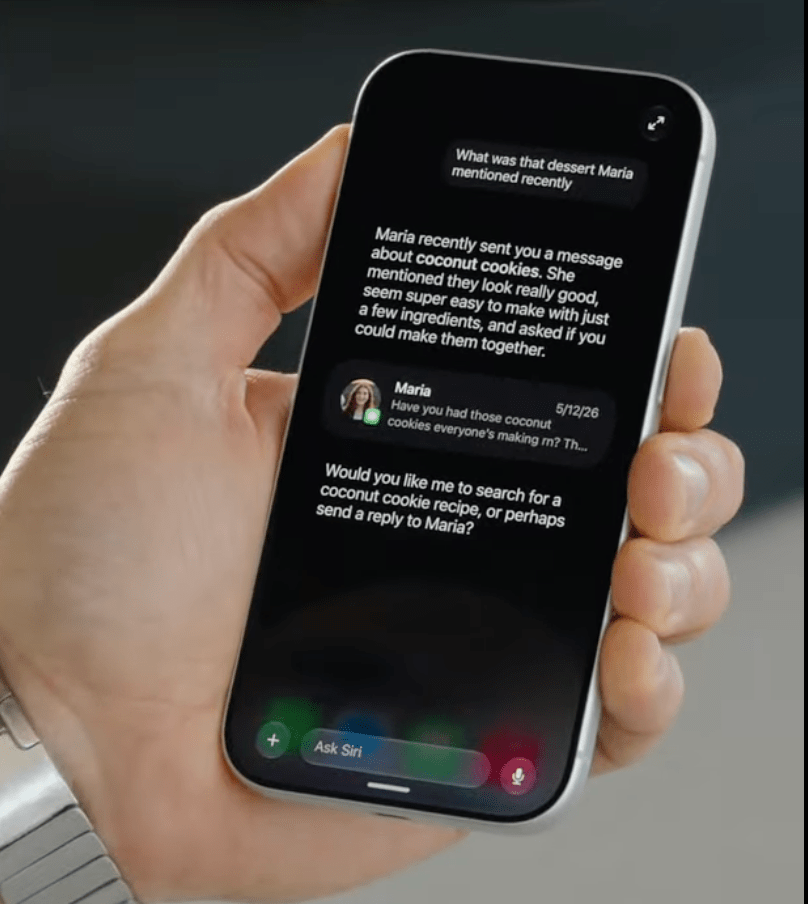
After years of promises and multiple delays, Apple finally released the revamped Siri AI as part of the iOS 27 consumer beta in July. The assistant now does what Apple originally advertised: it understands personal context, answers questions using broad world knowledge, and surfaces relevant information stored on the iPhone. Users can hold natural, back-and-forth conversations, type to Siri, or use a dedicated app for the first time. The assistant can find photos, emails, contacts, calendar appointments, and specific items like a saved receipt or a driver’s license number from a photo. It can also launch websites, control apps, play music or podcasts consistently, help with brainstorming, and answer location-aware questions. These improvements are powered by a partnership with Google: Apple used Gemini AI models to train and refine its own proprietary Apple Foundation Models, which run on Apple Silicon and its Private Cloud Compute infrastructure.
Yet the launch feels anticlimactic. The AI race has moved far beyond basic chatbots and assistants. AI tools now code, build software, complete multi-step agent tasks, and work alongside users to reason, remember, and create media. A functional AI helper, while genuinely useful, no longer feels novel or revolutionary. The article notes that Siri’s arrival is more like Apple fixing a long-standing bug — making Siri work as it always should have — rather than delivering a breakthrough. The general public will get the new Siri with the official iOS 27 release expected in September.