Apple Intelligence approved for China launch with Alibaba’s Qwen AI
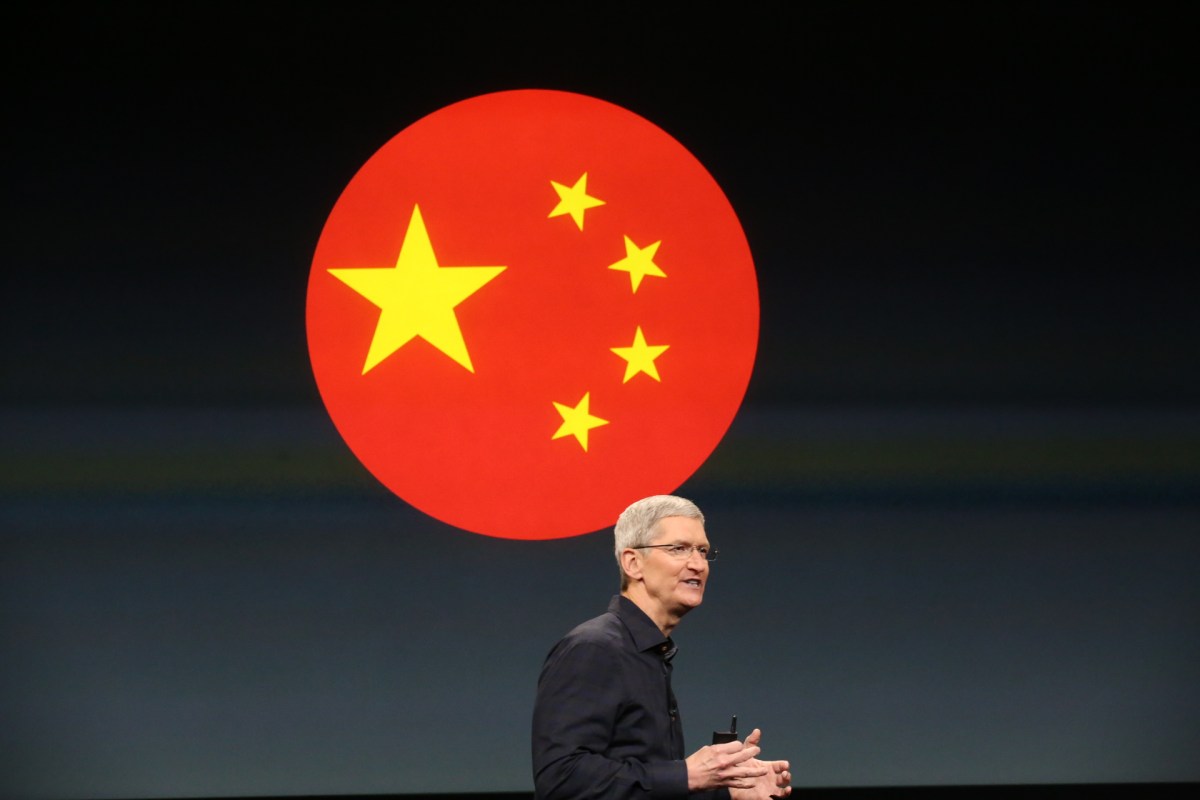
Apple is finally bringing Apple Intelligence to China, but only after securing a partnership with Alibaba‘s Qwen AI models. This resolves a long-standing tension: Apple’s generative AI features, launched globally in 2024, were completely unavailable in its second-largest market due to China’s regulatory environment. Reports indicate Apple explored integrations with Baidu, DeepSeek, and ByteDance’s models but hit technical or regulatory roadblocks with each. The Cyberspace Administration of China’s approval, confirmed via Reuters and Alibaba‘s statement to CNBC, marks the end of a multi-year delay that left Chinese iPhone users without Apple’s core AI features while competitors advanced.
The technical path involves embedding Qwen directly into iOS, iPadOS, macOS, and visionOS to handle text and image understanding and generation. Alibaba confirmed the integration but did not specify a rollout timeframe. The deal was rumored last year, and the delay cost Apple momentum in a market where it recently regained the No. 2 smartphone position after discount-heavy shopping festivals. Apple’s Greater China revenue hit $20.5 billion in the second quarter, up 28% year-over-year, suggesting pent-up demand that Apple Intelligence could accelerate. Financially, Alibaba‘s U.S. shares rose over 6% on the news; the deal gives Qwen a premier distribution channel across hundreds of millions of devices.
For builders, the takeaway is regulatory pragmatism: Apple chose the partner that could navigate China’s AI content rules rather than the one with the best raw benchmark scores. Qwen‘s integration likely required on-device filtering, model alignment with Chinese censorship requirements, and data residency guarantees. Any global AI company targeting China should study how Apple structured this—likely as a split deployment where Qwen handles China-specific inference while Apple’s own models run elsewhere. The real insight is that AI product launches in regulated markets are increasingly about compliance engineering and partnerships, not just model quality.